
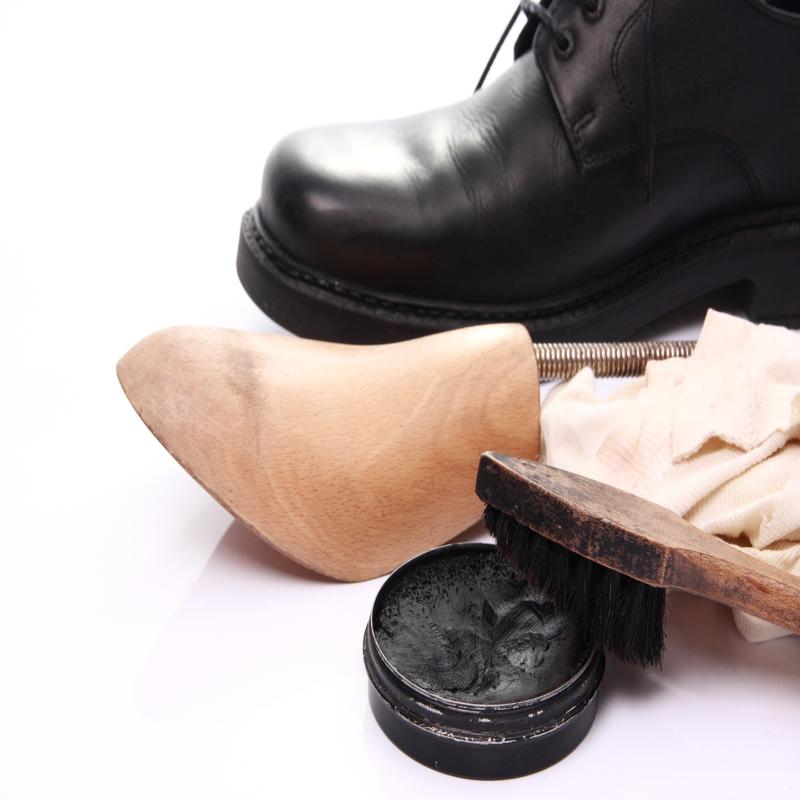
Shoe trees do more than sit inside a pair of dress shoes. Chosen well, they help the shoe hold its shape, manage moisture, and age more gracefully between wears.
If you are comparing cedar, spring-loaded, split-toe, lasted, or travel options, the real question is not which one sounds best—it is which one matches the shoe you already own. For a broader buying perspective, see why quality shoe trees are worth the investment.
Quick Choice Guide
If you want the shortest path to the right purchase, start here. Cedar and split-toe wooden trees suit most leather dress shoes, lasted trees suit premium or custom footwear, spring-loaded trees are a practical budget pick, and travel trees are best when portability matters more than long-term shape refinement.
- Everyday Leather Shoes cedar or split-toe wooden trees
- Premium Or Custom Shoes lasted trees
- Budget Maintenance spring-loaded trees
- Trips And Short Stays travel trees

| Shoe tree type | Best for | Material fit | Budget level | Selection note |
|---|---|---|---|---|
| Spring-loaded | Basic maintenance and casual rotation | Any shoe that needs simple support | Low | Good starter option, but not the best at fine shape retention |
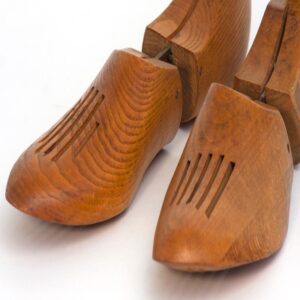
| Split-toe wooden | Most leather dress shoes | Cedar or beech | Mid to high | Best balance of shape control, fit, and value |
| Lasted | High-end, custom, or bespoke shoes | Made to the shoe’s last | Premium | Best fit, but only makes sense for valuable footwear |
| Travel | Packing, commuting, and short-term support | Lightweight materials | Low to mid | Choose portability first, not maximum moisture control |
| Cedar | Moisture control and odor reduction | Leather shoes, especially dress shoes | Mid to premium | Often the safest all-round buy for leather footwear |
What Each Shoe Tree Type Does Best
The main difference between shoe tree styles is how closely they support the shoe’s internal structure. Some are designed for simple daily upkeep, while others are intended to preserve the exact contours of expensive footwear. That is why the best choice depends on shoe construction, frequency of wear, and how much you want to spend.
Spring-Loaded Shoe Trees
Spring-loaded trees are the easiest entry point. They are affordable, simple to use, and suitable for people who want basic shape support without paying for a premium wooden model. They work well for casual shoes or pairs that are worn often but are not especially valuable.
Their trade-off is fit precision. Because the pressure is produced by a spring mechanism rather than a fuller wooden body, they tend to provide less even support than better-shaped wooden alternatives.
Split-Toe Wooden Trees
Split-toe wooden trees are the most useful all-round option for many leather shoes. They offer better conformity to the front of the shoe, more stable shape support, and usually better moisture handling when made from cedar. In practice, they are the easiest recommendation for someone who wears leather dress shoes regularly and wants a noticeable upgrade from a basic spring-loaded pair.
If you are trying to decide between styles, split-toe wooden trees often sit in the sweet spot between price and performance. They are not as exact as lasted trees, but they are far more practical for most wardrobes.
Lasted Shoe Trees
Lasted shoe trees are the specialist choice. They are built to mirror a shoe’s last, which means the shape is tailored to the specific pattern of the shoe rather than a broad generic size. That makes them ideal for custom, bespoke, or very expensive pairs that deserve the closest possible match.
For most buyers, the higher price is hard to justify. For owners of premium shoes, however, the fit precision can be worth it because it reduces the risk of pressure points and preserves the original silhouette more faithfully.
Travel Shoe Trees
Travel shoe trees prioritize portability. They are lighter and easier to pack than full wooden models, making them useful for business trips, short stays, or situations where you want some shape retention on the move. They usually make less sense for long-term storage than cedar or split-toe wooden trees, but they fill an important niche for frequent travelers.
If you already own a strong everyday pair of shoe trees, travel trees can be a sensible second set rather than a replacement for home use.
Cedar Shoe Trees
Cedar is the material most readers actually care about when they search for shoe trees, and for good reason. It offers natural moisture absorption, helps reduce odor, and works especially well with leather shoes that benefit from drying between wears. If you were comparing shoe trees only on practical everyday value, cedar would be the strongest default choice for most leather footwear.
That said, cedar is not automatically the best choice for every shoe. For very light travel use or synthetic footwear, simpler materials may be enough. For premium or custom shoes, cedar is often the base material inside a more carefully engineered lasted or split-toe design.
How To Choose The Right One
The selection process is simpler when you work from the shoe outward. Start with the footwear itself, then match the tree to the materials, value, and wear pattern. That keeps the decision grounded in use rather than marketing claims.
1. Match The Shoe Value
A dress shoe under $200 does not need a costly bespoke tree. Premium shoes above that range deserve better fit and better materials.
2. Match The Material
Cedar is the strongest all-round material for leather shoes. Beech is durable and stable. Plastic is acceptable when budget or portability matters more than moisture control.
3. Match The Fit
A good tree should fill the shoe without forcing the leather. Too large can stretch the shoe; too small will not support the upper properly.
4. Match The Use Case
If the pair is worn every week, choose better support. If it travels often, keep things lighter. If it is bespoke, go for a tree that mirrors the shoe more closely.
If you are already working on a broader leather-shoe care routine, it helps to think about shoe trees as one part of the system rather than a standalone fix. Proper drying, brushing, and storage all support the same goal, and you can pair your tree choice with the advice in this shoe-care cleaning guide when you need a more complete maintenance routine.
How To Use Shoe Trees Correctly
Even a good shoe tree can underperform if it is used poorly. The best time to insert one is after the shoe has been worn and while the leather is still slightly warm. That helps the shoe settle back toward its original shape as it dries.
- Insert the tree after wear, not before the shoe has fully dried out.
- Guide the front into the toe box first, then settle the heel section gently.
- Do not force the tree into a tight shoe.
- Let it sit long enough to work, especially after humid or wet wear.
This is also where cedar has a practical edge. It does not just hold shape; it helps manage leftover moisture so the lining and upper dry more evenly. That matters most when you wear the same pair on consecutive days.
When To Buy Up, And When To Keep It Simple
If your shoes are inexpensive, a simple spring-loaded or budget cedar tree is usually enough. If the shoes are the kind you polish carefully, rotate regularly, or plan to keep for years, step up to a better wooden tree with a more precise fit. For very valuable pairs, a lasted option can make sense, but only when the shoe itself justifies the cost.
A Sensible Buying Path
If you want the most practical route, start with cedar split-toe trees for standard leather shoes, then move to lasted trees only if your footwear is high-value enough to warrant them. If your main priority is portability, keep a travel pair for packing and use the better wooden pair at home. That approach avoids overspending while still preserving the shoes that matter most.
For readers comparing shoe-tree purchases against the bigger picture of shoe upkeep, the main commercial overview lives on our quality shoe trees guide. This article is the more specific type-and-selection companion: use it to choose the right construction before you buy.
Choose The Right Shoe Tree With Confidence
If you own leather shoes, cedar or split-toe wooden trees are usually the safest starting point. If the pair is especially expensive, move toward a lasted fit. If the shoe is mainly for occasional use or travel, keep the choice simpler and lighter.
You do not need the most expensive option in the aisle—you need the one that matches the shoe, the material, and the way you actually wear it.
Frequently Asked Questions
Are Cedar Shoe Trees Worth It?
Yes, for most leather shoes they are worth it because they help with moisture control, odor reduction, and shape retention at the same time.
What Are Cedar Shoe Trees?
They are shoe trees made from cedar wood, a material valued for its moisture-absorbing and naturally fresh-smelling properties.
How Long Do Cedar Shoe Trees Last?
With normal use and basic care, a good pair can last for years, especially if you keep them dry and clean them occasionally.
What Are The Disadvantages Of Cedar?
Cedar is usually more expensive than plastic, and it is not always necessary for lightweight travel use or shoes that do not need strong moisture management.

Henry Harrington is a passionate author and content creator at My Shoes Finder, where he explores a wide range of topics related to footwear, lifestyle, and personal growth. With a keen eye for detail and a love for storytelling, Henry engages readers by sharing insights, tips, and personal anecdotes that resonate with his audience. His commitment to delivering high-quality content has established him as a trusted voice in the online community, inviting readers to step into new perspectives and discover their unique paths.
See also:
 Why Quality Shoe Trees Are Worth It
 Avoid Spiral Shoe Trees: Safer Alternatives That Protect Your Shoes
 Xero Shoes For Travel: The Best Lightweight, Packable Options For 2025
 Apron Front Vs Split Toe Seams: What They Are And How To Spot Good Craftsmanship
 Nubuck Vs Suede Vs Roughout Leather: Differences, Care, And Best Uses
 Are Xero Shoes Vegan In 2025? Materials, Ethics, And What To Check Before Buying



The importance of shoe trees really cannot be overstated, especially considering the investment many of us make in quality leather footwear. Your breakdown of the different types of shoe trees is helpful and spot on; it highlights how a seemingly simple accessory can have a profound impact on the longevity of our shoes.
I appreciate your thoughts on shoe trees, and you’ve touched on something really vital—our investment in quality leather footwear deserves the best care possible. It’s interesting how something as straightforward as a shoe tree can have such a significant influence on the lifespan of our shoes.
You bring up a great point about the care our shoes deserve. It’s fascinating how something as simple as a shoe tree can make such a difference. I’ve noticed that after using them, my leather shoes maintain their shape better and the creasing is less pronounced. It almost feels like they reward the investment with a longer life.
You’ve made a great point about the care we give our leather footwear. It’s fascinating how something as straightforward as a shoe tree can make such a difference. I’ve found that using them not only helps maintain the shape of my shoes but also keeps them smelling fresh—probably a benefit I didn’t fully appreciate at first.
You’re spot on about the benefits of shoe trees. It’s interesting how a simple accessory can extend the life of our footwear significantly. I remember when I first started using them; I was surprised by how much of a difference it made not just in shape retention but also in overall shoe hygiene.
I completely agree with you about the difference shoe trees can make. It’s one of those small investments that pay off in the long run, especially when you think about how much we spend on quality shoes. I started using them a few years back, and I’ve noticed not just that my shoes keep their shape, but they also seem to hold up better against wear and tear.
You make a really good point about the benefits of shoe trees. It’s fascinating how something so simple can have such a pronounced effect on our footwear. Beyond just maintaining the shape, I’ve found that using shoe trees can also help with moisture management. Shoes can absorb sweat, and having the trees in helps with ventilation, reducing the risk of odors and prolonging the material’s integrity.
You make a really good point about the benefits of shoe trees. The moisture management aspect is often overlooked, but it’s so crucial for prolonging the life of shoes. I’ve noticed that after a long day, my shoes do get that sweaty feeling, and using shoe trees definitely helps combat that. It’s interesting how many people don’t realize that footwear is just as much an investment as clothing, and maintaining them can really pay off in the long run.
I completely resonate with your experience using shoe trees. It’s interesting how such a simple tool can make a noticeable difference in the lifespan of our footwear. I started using them too when I bought a pair of nice leather shoes, and I was surprised at how much they helped maintain the structure. Leather can be a bit finicky, and having that extra support helps it breathe and prevents creasing.
You’re right about the impact of shoe trees on longevity and hygiene. It’s fascinating how something so simple can change the game for our footwear. When I first started using them, I was taken aback by the change in shape and how they kept the insides fresh, too. The moisture from our feet can really take a toll, so having that extra layer of prevention makes a big difference. Have you noticed any specific types of shoe trees that work better for your collection? I’ve found that cedar ones not only help with the shape but also absorb odors really well.
I completely agree with you about the difference shoe trees can make. It’s one of those small habits that really adds up over time. I too have noticed how they help maintain the shape of shoes, particularly with leather ones. It’s almost like giving your footwear a little bit of pampering. Cedar shoe trees are definitely a favorite of mine as well—besides the odor absorption, I love the natural look they bring to my closet.
You’ve highlighted something I’ve also come to appreciate over time—shoe trees can really transform the upkeep of leather shoes. It’s interesting how such a simple tool can have an impact on both the shape and longevity of footwear. I suppose it’s a bit like the way we care for other leather items; the more attention we give them, the better they perform and look.
I completely agree with you about the importance of shoe trees in maintaining the quality of our leather footwear. It’s interesting how a small investment in something like a shoe tree can pay off in the long run, preserving not just the shape but also the comfort and appearance of shoes. I’ve noticed that when I take care of my shoes—using good products and paying attention to details like shoe trees—they last much longer, which is something I’ve come to appreciate as my wardrobe becomes more curated.
This article highlights an often-overlooked aspect of shoe care that can significantly prolong the life of valuable leather footwear. In my experience, investing in a quality pair of lasted trees for my dress shoes has been transformative—not only in terms of maintaining their shape but also in keeping the leather conditioned and free from moisture damage.
I completely agree that using quality lasted trees can really make a difference for leather footwear. It’s fascinating how much shape and structure can affect not just the longevity of the shoes, but also the overall comfort and appearance. I’ve noticed that when I keep my shoes in good condition, it not only gives them a polished look but also boosts my confidence when I wear them.
You’ve really hit the nail on the head. Lasted trees are like spa days for our shoes. It’s funny to think how often shoes are tossed into a corner just waiting for the next outing while we neglect their need for TLC. I mean, they can’t just sit there for ages in sad silence, right? They have feelings too!
You bring up such a relatable point about shoes needing their own kind of self-care. It’s so easy to forget that they’re not just objects; they have their own stories and personalities. I mean, think about those pairings we’ve had for years—certain shoes carry memories of adventures, and they deserve some TLC too.
You’ve captured that sentiment perfectly! It’s wild to think about how often we overlook our shoes, especially when they do so much for us. They’re not just accessories; they carry our stories and adventures. Just like we value a little pampering for ourselves, our shoes deserve that same attention.
You’ve highlighted a crucial aspect of shoe care that often gets overlooked: the importance of shoe trees in maintaining the integrity of our footwear. I’ve found that investing in a good pair of lasted trees makes all the difference, especially for my leather shoes. It’s fascinating how something so simple can significantly enhance not just the longevity, but also the comfort of wearing shoes.
It’s interesting how shoe trees can play such a significant role in the longevity of leather footwear. I recently invested in a pair of lasted trees for my dress shoes, and I immediately noticed a difference. They not only help maintain the shoe’s shape but also make it easier to put on without damaging the material.
It’s great to hear you’re already noticing the benefits of using lasted shoe trees. They really do make a difference, especially for leather shoes that can easily lose their shape over time. I’ve had a similar experience with my own dress shoes; before I started using them, I often found myself dealing with creases and an awkward fit.
I found some great tips on navigating shoe shopping for uneven sizes that really complement what you’ve experienced with your shoe trees.
‘Tips for buying shoes when your feet are different sizes finding the perfect fit’
https://myshoesfinder.com/buying-shoes-for-uneven-foot-sizes-tips/.
I really appreciate you sharing your experience with lasted shoe trees. It’s interesting how something so simple can have such a big impact on the longevity of leather shoes. I used to ignore creasing until one day, I noticed how much the appearance of my shoes mattered during important meetings. It really made me rethink shoe care.
It’s fascinating how a small detail like creasing can shift our perspective on shoe care, isn’t it? When each meeting carries its own weight, it becomes clear just how much our choices in appearance play a role in those moments. It’s not shallow to care about how we present ourselves; it’s part of showing respect for the occasion and the people involved.
It’s interesting how something as simple as shoe trees can have such a significant impact on the longevity of leather shoes. I’ve also found that they not only help maintain the shape of my shoes but also improve their overall comfort. It’s surprising how just a little care can enhance the experience of wearing them.
I completely relate to your experience with leather shoes and how shoe trees can preserve their shape. It’s interesting how such a small tool can have a big impact on the longevity of your footwear. I started using them when I invested in a pair of nice dress shoes, and it was surprising to see how much better they held up compared to my prior pairs.
I really appreciate the insights you’ve shared about shoe trees and their importance in maintaining the integrity of our leather shoes. It’s interesting to think about how often we might invest in high-quality footwear, only to overlook such a simple yet effective tool for their care. I remember the first time I bought a pair of classic leather oxfords; they were a bit of a splurge for me, and I wanted to ensure they lasted as long as possible. It was only after a friend suggested using shoe trees that I realized their potential impact.
You’ve hit on a really important point about footwear care that I think often gets lost in the excitement of buying new shoes. Investing in quality leather shoes is just the start; what truly extends their lifespan is the attention we give to their upkeep. The idea that such a simple tool as a shoe tree can drastically affect the longevity of your shoes sometimes surprises people.
It’s great to hear that you found the insights on shoe trees valuable. It really is fascinating how a small, almost overlooked aspect of shoe care can make such a significant difference in the longevity of our footwear. When you invest in a high-quality pair of leather oxfords, it’s often about more than just the initial expense—it’s about preserving that quality over time.
Ah, shoe trees! The unsung heroes of the leather footwear world. I used to think they were just glorified sticks, but boy, was I living in the dark ages of shoe care! It’s wild how something this simple can significantly extend the life of my beloved shoes – who knew that my loafers were secretly plotting a rebellion against moisture and creasing without their trusty árbol companions?
I totally agree that shoe trees are often overlooked but are such a game-changer for maintaining the life of our beloved leather shoes. I remember when I first got a pair of nice oxfords—investing in them felt like a big deal, but I didn’t think much about proper care at the time. It wasn’t until I started noticing creases forming that I realized how important shoe trees really are.
I can totally relate to your experience with your oxfords. It’s funny how we often overlook the little things that can make such a significant difference. I remember my first pair of dress shoes, too, and I was astonished at how quickly they could show signs of wear if I didn’t take care of them properly. It’s almost like investing in quality craftsmanship—without the right maintenance, it feels like you’re not quite getting the full value out of them.
I totally get where you’re coming from—after realizing how important shoe care is, I found this great resource on Xero shoes that really dives into their durability for hiking, making the investment in quality footwear feel even more worthwhile.
‘Xero Shoes for Hiking: 2025 Trail Test Results & Durability Guide’
https://myshoesfinder.com/xero-shoes-hiking-2025-test-results-and-guide/.
It’s interesting how our footwear can mirror so much of our broader experiences, isn’t it? That initial astonishment at how quickly dress shoes can show signs of wear often leads to a deeper appreciation for craftsmanship. It’s like a rite of passage—discovering that indulgence in quality doesn’t just mean acquiring new shoes, but also adopting a mindset of care and respect for what we have. The connection to maintenance you mentioned has a way of enhancing that value; it’s rewarding to see how a little effort keeps our belongings looking sharp and lasting longer.
It’s true, our footwear can tell quite a story, can’t it? That initial astonishment at wear and tear really does open up a new perspective. I remember the first time I invested in a pair of quality leather shoes; I’d always worn cheaper pairs before and hadn’t paid much attention to how they aged. But with those particular shoes, I found myself becoming almost attached to their character as they softened and developed a patina over time.
It’s fascinating how understanding the different types of shoe and boot soles can enhance our appreciation for quality footwear, revealing just how much craftsmanship influences our experiences with them.
‘Shoe And Boot Sole Types Explained: How To Choose The Right One’
https://myshoesfinder.com/shoe-and-boot-sole-types-features-and-benefits/.
It’s great to hear that you relate to the importance of caring for shoes. There’s something so satisfying about recognizing the relationship between maintenance and longevity. When I first started paying more attention to my dress shoes, I was surprised by how a little regular cleaning and polishing could extend their life so much. It almost feels like creating a bond with the footwear, knowing you’re giving it the attention it deserves.
It’s so easy to overlook the little things when diving into the world of quality footwear, right? Those first nice oxfords can feel like a big step, and it makes sense to focus on the moment rather than long-term care. But those creases you mentioned—they’re a real concern if you want your shoes to age gracefully.
I can relate to that experience so much. It’s interesting how we often don’t think about the little things that make a big difference in our possessions, like caring for our leather shoes. I remember getting my first pair of dress shoes and feeling a bit overwhelmed by the options for care—there are so many products and tools out there. At that time, I just went with regular cleaning, but it wasn’t until I noticed the creasing you mentioned that I realized there was more I could do.
It’s great to hear that you can relate to this experience. Caring for leather shoes can feel a bit daunting at first, especially when you’re faced with a plethora of products and tools. I remember my own journey, standing in front of those shelves, trying to decode which cream or brush would be the best fit for my shoes. It can be a little overwhelming, but it’s interesting how these challenges can lead us to better understanding and appreciation of our belongings.
It’s interesting how often we overlook the small tools that can have a big impact on our daily items, like shoe trees for leather shoes. I’ve found that investing in a good pair of lasted trees has made a noticeable difference in my shoe maintenance routine. They not only help preserve the shape of my shoes but also keep them smelling fresh by absorbing moisture, which is particularly important during wetter seasons.
You’re onto something with those lasted shoe trees. It’s wild how a simple piece of wood—or whatever fancy material they’re made of—can totally transform a shoe from soggy pancake to–well, whatever the opposite is. A fresh-smelling shoe is like finding cash in your winter coat pocket; it changes everything for the better.
It’s interesting to see how shoe trees play such a pivotal role in caring for our footwear. Personally, I’ve found that investing in a good pair of lasted shoe trees really makes a difference for my dress shoes. They not only help with maintaining the shape but also seem to reduce the creasing significantly.
Your blog post raises an essential point about the often-overlooked benefits of shoe trees in maintaining the quality and longevity of leather footwear. The connection between shoe care and overall investment in wardrobe pieces is particularly relevant in today’s fast-paced fashion environment, where consumers often prioritize trends over durability.
I found your insights on shoe trees really enlightening, especially considering how often we overlook the importance of proper shoe care. I’ve always been a bit skeptical about investing in shoe trees, thinking they might be an unnecessary accessory, but your mention of extending a shoe’s lifespan by up to 300% really caught my attention.
I get where you’re coming from. A lot of people see shoe trees as just another accessory clogging up their closets, but they really do play a more significant role than many realize. The idea of extending a shoe’s lifespan by up to 300% can sound almost too good to be true, but when you think about it, there’s a lot going on with those little wooden forms.
I can relate to that perspective. Shoe trees really do seem overlooked in the grand scheme of shoe care. It’s interesting how something as simple as a wooden form can make such a difference in preserving both the shape and integrity of your shoes. I’ve noticed that when I use them regularly, my nicer shoes not only last longer but also look great.
Your exploration of shoe trees certainly opens a door to a nuanced understanding of shoe care that often goes overlooked. I’ve personally found that investing in a quality pair of lasted trees has made a significant difference in maintaining the shape of my dress shoes, especially when it comes to preventing the dreaded creasing that can spoil their appearance.