
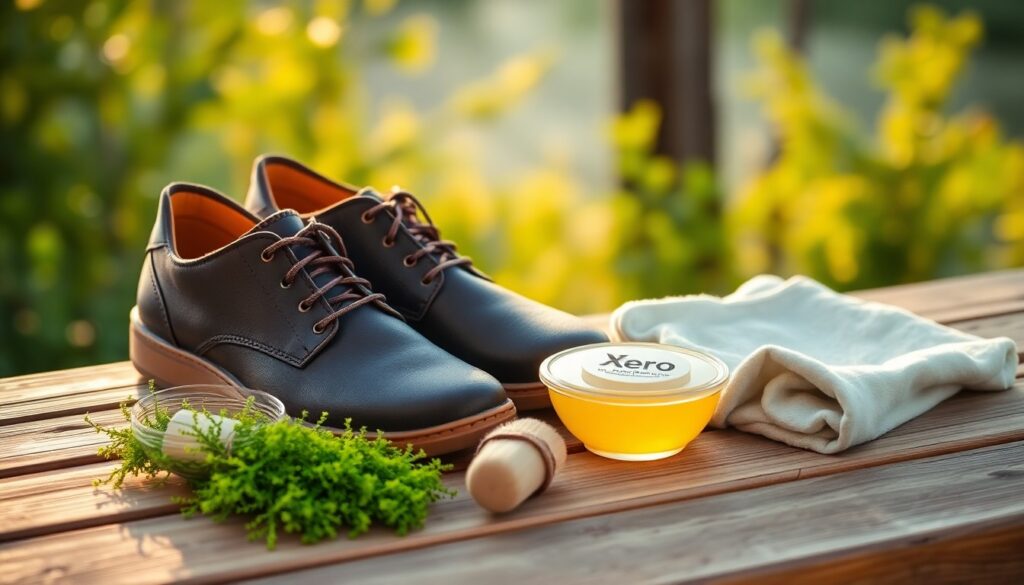
Barefoot shoes need gentler care than many other shoes because their thin soles, flexible uppers, and minimal structure can be damaged by heat, harsh detergents, or rough handling. A simple routine will keep them clean, odor-free, and comfortable while protecting the features that make them work.
Barefoot shoe care at a glance
| Clean With | Mild soap, lukewarm water, a soft brush, and a microfiber cloth. |
| Dry With | Airflow, paper stuffing, and patience; keep them away from radiators, dryers, and direct heat. |
| Avoid | Bleach, high heat, soaking delicate models, and aggressive scrubbing that can break down uppers or glue. |
| Inspect | Thin soles, stitching, tread, toe box creases, and areas that flex the most. |
If you also want a broader primer on shoe-cleaning residue removal, see our residue-cleaning guide; this article stays focused on barefoot-shoe materials and long-term care.
The best routine is short: brush off debris after wear, spot-clean before grime sets, dry thoroughly, and check for wear before the thin sole gets compromised. If you rotate pairs, handle wet shoes quickly, and store them in a dry, ventilated place, you can extend the life of most barefoot shoes without overthinking it.
What To Do First, Based On The Material
| Barefoot shoe type | Best cleaning method | Best drying method | Main thing to avoid |
|---|---|---|---|
| Mesh Uppers | Soft brush, mild soap, light hand-wash, quick rinse | Stuff with paper and air-dry in shade | Machine washing and hot drying |
| Sandals | Damp cloth, mild soap, attention to straps and footbed grooves | Air-dry flat with good airflow | Soaking or leaving them in direct sun for long periods |
| Leather Models | Wipe clean, use leather-safe conditioner when needed | Air-dry slowly at room temperature | Heat, aggressive scrubbing, and drying too fast |
| Winter Or Wet-Use Pairs | Wipe off salt and mud quickly, then clean residue before it sets | Remove insoles, open the shoe fully, and dry with airflow | Storing them damp or sealed in a bag |
If you wear your pair in active settings, the right cleaning approach depends on the surface, not just the label. For material-specific fit, durability, and use-case guidance, browse the broader barefoot-shoe collection before you decide how hard to clean or protect a pair.
A Simple Cleaning Routine That Protects Flexibility
1. Remove loose dirt
Tap out grit, then use a soft brush or damp cloth. This matters more for barefoot shoes because dirt can work into the flexible upper and abrade seams quickly.
2. Use mild soap only
Mix a small amount of mild soap with lukewarm water. Harsh cleaners can dry out leather, weaken adhesives, and leave residues that make minimalist uppers feel stiff.
3. Rinse sparingly
Wipe away soap with a clean cloth rather than saturating the shoe. Barefoot shoes usually dry faster than heavily built footwear, but over-wetting still risks adhesive failure.
4. Dry with airflow
Pat the shoe dry, remove the insoles if possible, and let it air-dry naturally. Keep it out of direct heat, which can warp thin soles and make upper materials brittle.
Drying, Deodorizing, And Storage Without Damaging The Shoe
Drying is where many barefoot shoes get ruined. Heat can distort the sole or shrink sensitive materials, so the safest approach is ventilation, shape support, and enough time for the inside to fully dry.
Good drying habits
- Stuff the shoes with newspaper, paper towels, or cedar inserts to draw out moisture.
- Open the tongue or straps to let air move through the whole shoe.
- Rotate pairs if you wear them often so each pair gets a full recovery period.
- Keep them away from radiators, hair dryers, and direct sunlight for long stretches.
For odor control, mild baking soda, cedar, or a gentle footwear deodorizing spray can help. The goal is to manage moisture, not mask it: if a shoe still smells after drying, it usually needs a more thorough clean or longer dry time.
Storage matters just as much. Keep barefoot shoes in a cool, dry, ventilated spot and avoid plastic bags that trap moisture. A breathable shelf, mesh bag, or open box is better because the shoe can dry out completely between wears. If you are building a wider barefoot-shoe routine, the transition advice in this transition guide also helps when you are learning how often to wear and rest a pair.
Seasonal Care And Timing That Actually Makes A Difference
Timing changes how you care for barefoot shoes. Summer brings sweat and odor; winter brings salt, wet grit, and slower drying. Spring and fall are the best times to inspect the shoes closely, deep-clean them, and refresh any protective treatment before the next stretch of heavy use.
| Season | Main risk | Best action |
|---|---|---|
| Summer | Sweat, odor, and frequent use | Air out after each wear, wipe interiors, and rotate pairs more often |
| Winter | Road salt, slush, and slow drying | Rinse off residue quickly and dry with extra airflow |
| Spring | Mud and abrasion | Deep-clean creases, soles, and footbeds before grime hardens |
| Fall | Transition wear and early weather damage | Inspect seams, add protection where needed, and prepare pairs for wetter conditions |
If you expect water exposure, the safest time to protect a pair is before the season starts, not after damage shows up. For barefoot models built for wet or rugged use, compare use-case guidance in the beach-shoe guide and the climbing guide; both make it easier to decide how much protection a pair needs.
Inspecting Wear Before It Becomes A Problem
Check these areas first
- Outsole Thinning especially under the ball of the foot and heel.
- Upper Stress Points look for loose stitching, fraying, or stretching.
- Tread Wear reduced grip matters more on thin, minimalist soles.
- Interior Smell Or Breakdown a sign moisture has been sitting too long.
- Toe Box Shape if the front begins to collapse or crease sharply, comfort often drops.
A tiny crack in a conventional shoe may be annoying; in a barefoot shoe, wear can affect ground feel, flexibility, and protection more quickly. If a sole starts separating, a flexible shoe adhesive can sometimes buy time, but only if the materials are still structurally sound and the bond can be made cleanly.
Minor Repairs And Product Choices That Are Worth It
Small repairs are often the difference between a pair that lasts one season and one that lasts much longer. Replace worn laces before they snap, refresh insoles when they flatten, and use a flexible adhesive for minor sole separation if the upper and outsole are still salvageable.
Use shoe-safe products
Choose cleaners, conditioners, and sprays that match the material. Leather needs different treatment than mesh, and waterproofing should never clog a breathable upper.
Replace when the structure goes
If the sole is collapsing, the tread is gone, or the shoe no longer flexes evenly, repair may not restore comfort or safety.
For people who rely on barefoot shoes for comfort, walking, or all-day wear, a worn-out pair can undermine the whole point. If you are comparing new options, the comfort-on-the-go guide can help you choose a replacement that fits your routine.
Need a cleaner, more general shoe-care reference?
If your main goal is residue removal across different shoe types, the broader cleaning page is the stronger starting point. For barefoot-specific maintenance, keep this page bookmarked and use it for material care, drying, storage, and repair decisions.
Frequently Asked Questions
Can Barefoot Shoes Be Machine-Washed?
Some can handle a gentle cycle, but hand-washing is safer for most barefoot shoes. If the brand allows machine washing, use a mesh bag, a mild detergent, and air-dry only.
How Often Should I Clean Barefoot Shoes?
Wipe them after heavy use, especially if they picked up mud or sweat, and do a deeper clean about monthly for regular wear. If you walk, train, or work in them daily, inspect them more often.
What Should I Do If Barefoot Shoes Get Wet?
Remove the insoles, blot out excess water, stuff the shoes with absorbent paper, and dry them in a ventilated space away from heat. Do not store them while damp, because moisture invites odor, mold, and adhesive damage.
When Should I Replace A Worn Pair?
Replace them when the outsole is too thin, the tread no longer grips, the upper no longer holds shape, or the shoe starts causing discomfort you cannot solve with cleaning or simple maintenance.

Natalie Harper is a versatile author and content creator at My Shoes Finder, where she explores a wide range of general topics that resonate with diverse audiences. With a passion for storytelling and a keen eye for detail, Natalie crafts engaging articles that provide valuable insights and inspire readers. Her commitment to quality and relatability makes her work a trusted resource for those seeking both information and inspiration in their daily lives.
See also:
 How To Remove Plastic Residues From Shoes Safely
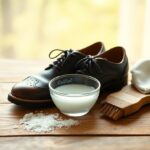 How To Remove Salt Stains From Shoes And Prevent Winter Damage
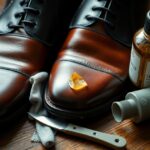 How To Remove Candle Wax From Leather Shoes Safely
 Neutral Wax On Shoes: When To Skip It And What To Use Instead
 How To Keep White Shoes Clean Without Damaging Them
 Unleash Your Natural Movement with Barefoot Shoes for Men



I appreciate your emphasis on the proper care of barefoot shoes, as it really resonates with the experiences I’ve had since transitioning to minimalist footwear a few years ago. When I first started using barefoot shoes, I was unaware of how critical maintenance was to their longevity and performance. Your point about the gentle cleaning process is particularly important because many people underestimate how damaging harsh chemicals can be, not only to the materials but also to the overall comfort and flexibility that these shoes provide.
It’s interesting to hear about your journey with minimalist footwear. I can relate to that awakening regarding maintenance; it seems so simple yet can have such a profound effect on how our shoes perform. When I first switched to barefoot shoes, I was also surprised to find that the cleaning products I used made a difference in comfort and flexibility.
Your experience highlights a key aspect of transitioning to barefoot shoes that often gets overlooked. It’s interesting to think about how our footwear choices can influence our entire approach to movement and comfort. When you first dive into minimalist footwear, it’s easy to focus solely on the benefits of the shoes themselves—lightweight design, natural foot movement, and all of that. But like any good relationship, it requires a bit of nurturing to really thrive.
I completely resonate with the points you’ve made about caring for barefoot shoes! I recently made the switch to wearing barefoot footwear, and it really has transformed my running experience. There’s something incredibly liberating about feeling the ground beneath your feet, but I quickly realized how vital it was to maintain that connection with the shoes themselves.
I really appreciate the insights shared in this post about the importance of maintaining barefoot shoes. As someone who has transitioned to barefoot footwear over the past couple of years, I’ve learned firsthand how proper care makes a significant difference not just in the lifespan of the shoes, but in overall comfort and foot health as well.
Your experience resonates with many of us who have made the shift to barefoot shoes. It’s fascinating how the right maintenance not only extends the life of our footwear but also enhances our overall comfort. One aspect that often gets overlooked is the importance of regularly checking the shoe’s sole for wear and tear. Since barefoot shoes tend to be thinner, any damage can directly impact our stability and foot health.
It’s great to hear that you’ve made the transition to barefoot footwear. I’ve been following a similar journey, and I can relate to the idea that proper care enhances both the lifespan of the shoes and overall foot health.
It’s fascinating how much the longevity of barefoot shoes ties into our overall approach to footwear and foot health. I’ve noticed that taking the time to clean and care for my shoes really has made a difference in their performance and comfort. It’s easy to overlook maintenance when we’re busy, but your tips serve as a great reminder of the benefits—like avoiding injuries and ensuring breathability.
Your insights on the care and longevity of barefoot shoes really resonate with me. I’ve found that taking a little extra time to clean and inspect my shoes not only extends their life but also enhances my overall experience with them. There’s something truly liberating about being mindful of what we wear on our feet, as it connects us to our surroundings in such a profound way.
I appreciate how you highlighted the importance of proper care for barefoot shoes. It’s interesting to consider that many people invest in these shoes for their benefits—like enhanced foot strength and better ground feel—yet neglecting maintenance can undermine those advantages.