
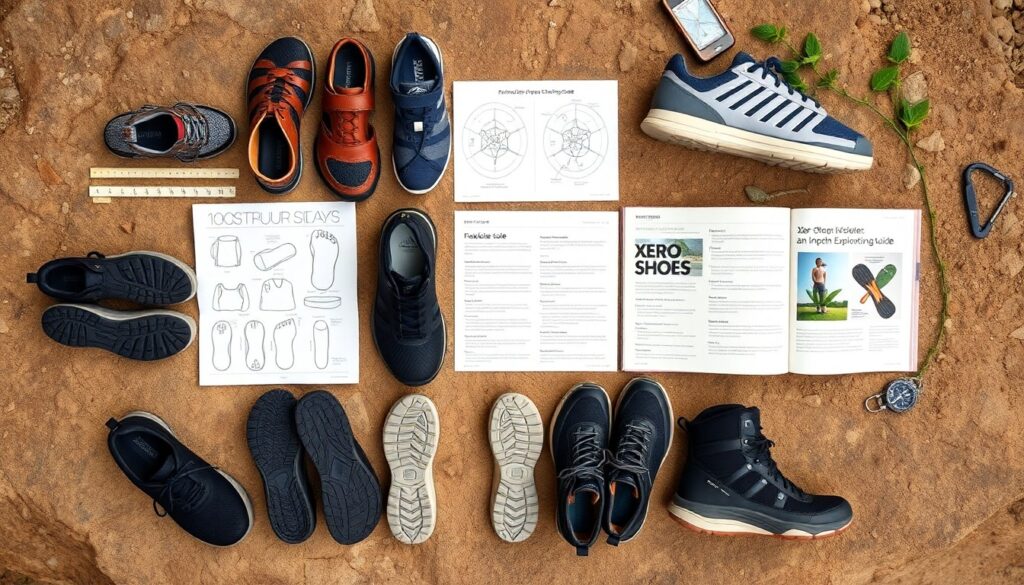
Xero Shoes are minimalist footwear built around a barefoot-like feel: zero drop, a flexible sole, and a wider, more natural toe shape.
They are best understood as a brand to compare and shop carefully, not a one-size-fits-all solution. If you want the short version, Xero suits people who want more ground feel, more toe room, and a gentler introduction to minimalist footwear.
What Xero Shoes are best known for
The brand sits in the minimalist and barefoot-inspired category. That means the shoes are designed to let your foot move more naturally than in many conventional trainers, walking shoes, or hiking shoes. The feel is lighter, lower, and less structured, with an emphasis on flexibility rather than support-heavy construction.
That design makes Xero interesting for walkers, runners, travelers, and people who want less shoe and more foot freedom. It can also be a smart starting point for anyone comparing minimalist options against more cushioned footwear. For broader context on the benefits side, see Xero Shoes benefits in more detail.
Best fit for
- Minimalist footwear beginners
- People wanting a wider toe box
- Travel, walking, and casual wear
- Runners easing into barefoot-style shoes
How the design philosophy works
Xero Shoes are built around the idea that the foot works best when it can move, bend, and spread naturally. Instead of adding lots of cushioning or rigid structure, the design usually keeps the shoe light and flexible, with a low-to-the-ground feel and a shape that gives the toes room to splay.
That simplicity is the point. For many wearers, the benefit is better ground awareness and a more natural stride. For others, the same qualities can take adjustment, which is why a thoughtful fit check matters. If you are comparing fit angles across the brand, the most practical next reads are Xero fit guidance and the size guide.
Benefits people usually notice first
- More toe room than many standard shoes.
- A lighter, less bulky feel on foot.
- Flexibility that encourages natural movement.
- Ground feel that some walkers and runners prefer.
- Materials and construction that can work well for everyday use and travel.
What to be careful about
- A minimalist feel can be uncomfortable if you want heavy cushioning.
- Transitioning too fast can irritate feet, calves, or ankles.
- Some models prioritize feel over all-day softness.
- Fit is crucial, especially if you are moving from a narrow conventional shoe.
Materials, durability, and build quality
The original article emphasized recycled rubber, vegan-friendly options, breathable uppers, and a sustainability angle. That remains a useful part of the Xero story because the brand often appeals to people who want practical materials without unnecessary bulk. The minimalist approach also means there is simply less shoe to add weight or complexity.
For a more detailed discussion of long-term wear and build performance, the closest companion article is Xero Shoes durability and lifespan. That page is the better destination if durability is your main concern, while this page stays focused on what the brand is and why the design matters.
History and brand background
Xero Shoes was founded in 2009 by Steven Sashen and Lena Phoenix. The brand grew out of a simple complaint many runners and walkers recognize: conventional shoes can feel restrictive, heavy, and disconnected from how the foot wants to move.
That origin story helps explain the brand’s design choices, but it should not be mistaken for a purchase recommendation by itself. The practical question is still whether a minimalist platform suits your feet, your routine, and your tolerance for a different underfoot feel.
Who should consider Xero Shoes first
Good match if you want
- Minimalist walking or running shoes
- A wider, more natural toe shape
- Less stack height and more ground feel
- Lightweight travel-friendly footwear
Think twice if you want
- Soft, pillow-like cushioning
- Immediate comfort without transition
- Strong arch-shaped support
- A shoe that feels like most mainstream trainers
How to choose the right pair next
- Start with your main use case: walking, running, travel, trail, or casual wear.
- Check fit notes before choosing a model, especially if you have a wide forefoot or use thicker socks.
- Compare sole feel, upper material, and closure style.
- Then move to the buying guide so you can compare actual models rather than only brand features.
The most direct next step is the best Xero Shoes buying guide, which is where model-level comparisons make more sense than they do on a general overview page.
Ready to compare models?
If you already know you want a minimalist shoe and now need the right pair, move from the brand overview to the buying guide and fit resources.
Compare the best Xero Shoes here, then use the fit guide and sizing guide to narrow the choice.
Frequently asked questions

Natalie Harper is a versatile author and content creator at My Shoes Finder, where she explores a wide range of general topics that resonate with diverse audiences. With a passion for storytelling and a keen eye for detail, Natalie crafts engaging articles that provide valuable insights and inspire readers. Her commitment to quality and relatability makes her work a trusted resource for those seeking both information and inspiration in their daily lives.
See also:
 Xero Shoes For Children In 2025: Fit, Safety, And Best Models
 Xero Shoes For Bunions: What Helps, What Doesn’t, And Which Models Fit Best
 Widest Xero Shoes for Wide Feet: Models & Fit Guide
 Xero Shoes For Achilles Tendonitis: 2025 Rehab Protocol And Loading Guide
 Are Xero Shoes Good For Standing All Day? Best Uses, Limits, And Comfort Tips
 Xero Shoes For Office Workers: 2025 Style And Comfort Guide
I’ve been curious about minimalist shoes for a while, and Xero Shoes seem to be at the forefront of this trend! I appreciate how they focus on letting our feet move naturally—it’s intriguing to think about how much conventional shoes restrict our foot’s natural abilities.
It’s great to hear you’re curious about minimalist shoes. I’ve been exploring them myself, and I find it fascinating how our footwear can impact not just foot health but overall body alignment too. Xero Shoes really emphasize the importance of letting our feet move naturally, which for me has felt quite liberating. It’s like going back to basics, allowing your feet to function the way they’re meant to.
I totally get your curiosity about minimalist shoes. Xero Shoes have indeed gained a lot of attention, and for good reason. It’s fascinating to consider how much conventional footwear can alter our gait and posture over time, often leading to issues that might not be immediately apparent.
I really appreciate your exploration of Xero Shoes and their innovative approach to footwear design. The concept of mimicking the natural feeling of walking barefoot resonates with me, especially as someone who has always been conscious of how footwear impacts both comfort and health.
I really appreciate how you highlighted the natural movement aspect of Xero Shoes. Having transitioned to minimalist footwear myself, I’ve noticed a significant improvement in my posture and overall foot strength. It’s fascinating to think about how much our shoes can impact our health. I often wonder if more people are starting to embrace this barefoot movement. The integration of technology in footwear design, like using lighter materials or enhancing flexibility, seems promising and could play a huge role in advancing comfort and performance. Have others here tried Xero Shoes or similar brands? It would be interesting to hear different experiences and insights!
I appreciate your deep dive into Xero Shoes and the comprehensive analysis provided. It’s fascinating to see how footwear technology has evolved, reflecting a growing awareness of the benefits of minimalism and the natural biomechanics of our bodies. I’ve personally found that switching to more minimalist shoes has made a significant difference in my own walking and running experiences.
I appreciate how you’ve highlighted the benefits of Xero Shoes! The way they promote natural foot movement truly resonates with me, especially since I transitioned to minimal shoes a couple of years ago. I noticed a significant improvement in my posture and how my feet feel after long walks. It’s interesting how our culture has shifted towards favoring comfort and health in footwear rather than just style. Have you found any specific scenarios or activities where Xero Shoes really shine? I’d love to hear more from others who share their experiences!
I’ve always been intrigued by the idea of minimalist footwear and how it influences our natural gait. It’s fascinating to think about how shoes have evolved to the point where they’ve often become more about style than function. I recently switched to a pair of lightweight shoes myself and noticed a significant change in my posture and comfort levels while walking. I can see how Xero Shoes could enhance that experience even further!
I’ve always been a barefoot enthusiast at heart—sometimes to the horror of my friends who firmly believe the ground is an enemy (sorry, shoes!). But Xero Shoes have got me reconsidering my stance; I mean, who doesn’t want to strut around like a caveman while still getting side-eye from onlookers?
I totally get where you’re coming from. There’s something incredibly liberating about being barefoot and feeling the ground beneath your feet. It’s like reconnecting with a more primal part of ourselves, isn’t it? The idea of wearing shoes that still allow for that natural foot movement while giving us some protection is intriguing. Xero Shoes have really tapped into that balance of modernity and our ancestral roots.
I really appreciate this deep dive into Xero Shoes! I’ve been curious about minimalist footwear recently, especially after some friends of mine switched to them and swore it changed their running game. It feels like there’s a growing trend towards being more in touch with how our feet naturally function. I used to rely on those heavily cushioned sneakers for everything, but it’s interesting to consider how they might actually be doing more harm than good over time.
It’s fascinating to see the rising interest around minimalist footwear like Xero Shoes! I’ve personally found that transitioning to barefoot-style shoes has been quite transformative for my overall foot health. The encouragement of a natural gait really resonates with me, especially as someone who has experienced occasional discomfort from more traditional footwear.
Your exploration of Xero Shoes resonates deeply with the ongoing conversation about the future of footwear and its implications for our health and lifestyle. The emphasis on mimicking the barefoot experience is particularly compelling; as someone who has made the transition to minimalist footwear over the past year, I can personally attest to the myriad benefits that come from allowing our feet to move more naturally.
I’ve been really intrigued by the shift towards minimalist footwear like Xero Shoes, especially since I’ve transitioned to more natural walking styles myself. The way they mimic barefoot movement resonates with my experience of feeling more grounded and connected to my surroundings while walking. It’s fascinating how our society has conditioned us to wear shoes that support arch and heel height instead of allowing our feet to function naturally.
It’s great to hear that you’re exploring minimalist footwear and embracing a more natural walking style. There’s something really special about how switching to shoes like Xero Shoes can make you feel more in tune with your surroundings. It’s such a contrast to the traditional shoes that often cage our feet and focus so much on cushioning and support.
I appreciate your insights into Xero Shoes and their innovative design. As someone who has transitioned to minimalist footwear, I can attest to the benefits of allowing my feet to move more naturally. It’s interesting to see how our understanding of footwear has evolved; the shift toward minimalist options seems to mirror broader trends in health and wellness, promoting not just physical comfort but also a deeper connection to our natural movements.
This exploration of Xero Shoes truly highlights an exciting shift in footwear design that resonates with so many of us looking for a more natural walking experience. I’ve been on a personal journey towards minimalist footwear over the past year, and I can attest to the benefits of allowing our feet to move more freely. It’s fascinating how traditional shoes can sometimes hinder our natural biomechanics, leading to issues down the line.
I appreciate this deep dive into Xero Shoes and their philosophy around barefoot movement. It’s fascinating how the design choices not only cater to comfort but also align with our natural biomechanics. Having made the switch to minimalist footwear myself a couple of years ago, I have experienced firsthand the benefits of reducing restrictive footwear. It’s remarkable how much more aware I’ve become of my posture and gait, which has made a tangible difference in my overall comfort during long walks and runs.
Your exploration of Xero Shoes really highlights the growing interest in minimalist footwear, and it’s interesting to see how the conversation around natural foot movement is evolving. While I appreciate the benefits of this design—such as improved alignment and a more natural gait—I wonder how it reconciles with the needs of those who may have specific foot conditions or require additional support.
You bring up an important point about the balance between minimalist footwear and the varying needs of individuals with specific foot conditions. It’s true that while Xero Shoes and similar designs promote natural foot movement and alignment, they may not be suitable for everyone. For those with conditions like plantar fasciitis or severe pronation, the lack of support can actually exacerbate issues rather than alleviate them.
The exploration of Xero Shoes and their minimalist design raises intriguing questions about how modern footwear impacts our health and movement patterns. Having transitioned to barefoot-style shoes myself, I noticed a remarkable change in my posture and overall comfort during daily activities. The emphasis on natural foot movement really resonates with the current trends in wellness and holistic health. It’s interesting to see how a shift back to simpler footwear can align with the growing popularity of practices like yoga and natural running.
Your exploration of Xero Shoes really resonated with me, especially regarding their commitment to promoting natural foot movement. As someone who has transitioned to minimalist footwear over the past year, I can personally vouch for the benefits you outlined. Initially, I was skeptical about abandoning traditional shoes, but the shift transformed my daily comfort and even my running experience.
I really appreciate how you highlighted the benefits of Xero Shoes! I’ve been on my own barefoot journey for the past couple of years and I’ve noticed a remarkable difference in how my feet feel—especially after long walks or runs.
What a delightful deep dive into the world of Xero Shoes! I must admit, every time I see a pair of minimalist shoes, I can’t help but think of how conflicting my shoe closet has become—it’s like a battle between my love for comfortable shoes and the flora and fauna of my “most fashionable” sneakers. The other day, I even tried to walk around barefoot in my house, only to realize that my dog lives in a much more chaotic universe than I’d like to admit!
I’ve really enjoyed reading your exploration of Xero Shoes! The emphasis on mimicking the barefoot experience resonates with me, as I’ve been transitioning to more minimalist footwear in my daily life. It’s amazing how our modern shoes can heavily influence our biomechanics and overall comfort.
The concept of Xero Shoes aligning with natural foot movement resonates deeply with those of us who prioritize comfort and health in our footwear choices. I’ve found that opting for minimalist designs has not only improved my posture but has also reduced discomfort during long periods of standing or walking. It’s fascinating how the trend towards barefoot shoes challenges conventional footwear norms, prompting a broader conversation about how closely we listen to our bodies.
This exploration of Xero Shoes is quite captivating and brings to light some intriguing concepts about footwear and our relationship with walking and running. I’ve always been curious about minimalist shoes and their impact on not just comfort but overall foot health.
It’s interesting to see the focus on Xero Shoes and their benefits. While the minimalist design does promote a more natural gait, I wonder how well this style accommodates different foot shapes and common issues like overpronation or plantar fasciitis. There’s definitely a trend toward barefoot-style footwear in the running community, but many runners I’ve spoken with have found that transitioning requires patience and proper strength training to adjust to the less cushioned feel.
I get where you’re coming from regarding Xero Shoes and minimalist footwear. The focus on a natural gait does seem promising, but it’s definitely not one-size-fits-all. Foot shape and individual biomechanics can play a huge role in how well minimalist shoes work for someone. Especially in the case of overpronation or conditions like plantar fasciitis, it’s important to find the right balance of support and flexibility.
The exploration of Xero Shoes and their minimalist design truly resonates with my own journey towards embracing more natural footwear. My understanding of the significance of foot health has evolved significantly over the years, especially as I’ve experienced the impact that conventional footwear can have on my posture and overall comfort. I remember the first time I tried a shoe that prioritizes barefoot-like qualities; it was almost revelatory. The sensation of having my feet work as they were intended—free, flexible, and connected to the ground—shifted my perspective on what shoes should ideally offer.
Your journey with minimalist footwear mirrors what many of us experience when we start to understand the real role our shoes play in foot health. It’s striking how conventional footwear can often interfere with our natural biomechanics. When you mentioned the “revelatory” moment of trying a more barefoot-like shoe, I can relate—it feels like rediscovering a connection to the ground that we’ve been missing.
I appreciate the insightful overview of Xero Shoes. The idea of footwear designed to mimic barefoot movement makes sense, especially considering the growing trend towards minimalism in both lifestyle and health practices. However, I can’t help but wonder how widely accepted this approach is among different demographics.
I really appreciate how you highlighted the benefits of Xero Shoes in promoting natural foot movement. Having switched to minimalist footwear myself, I’ve noticed a significant improvement in my posture and overall comfort during long walks. The idea of allowing our feet to function as they were biologically intended is quite revolutionary, especially in a world where conventional footwear can often feel restrictive.
The exploration of Xero Shoes you’ve provided is particularly timely given the growing interest in minimalist footwear among health and fitness enthusiasts. Your in-depth analysis highlights the significant shift away from conventional shoes that, as you mentioned, often restrict natural foot movements. This transition reflects a broader cultural movement towards prioritizing wellness and functional living, which aligns well with the increasing awareness of how our daily choices impact our overall health.
It’s interesting how the shift towards minimalist footwear mirrors a larger cultural movement toward wellness and functional living. I’ve been exploring how our choices influence not just our physical health but our mental well-being as well. For many, adopting a more natural approach to footwear is about reclaiming a sense of connection to their bodies – something that hasn’t been prioritized in a world that often favors style over function.
Your exploration of Xero Shoes shines a light on a fascinating shift in our understanding of footwear and its impact on our overall health and movement. The concept of mimicking the natural biomechanics of our feet resonates deeply with me, especially given the growing awareness around the importance of posture and movement in our daily lives.