
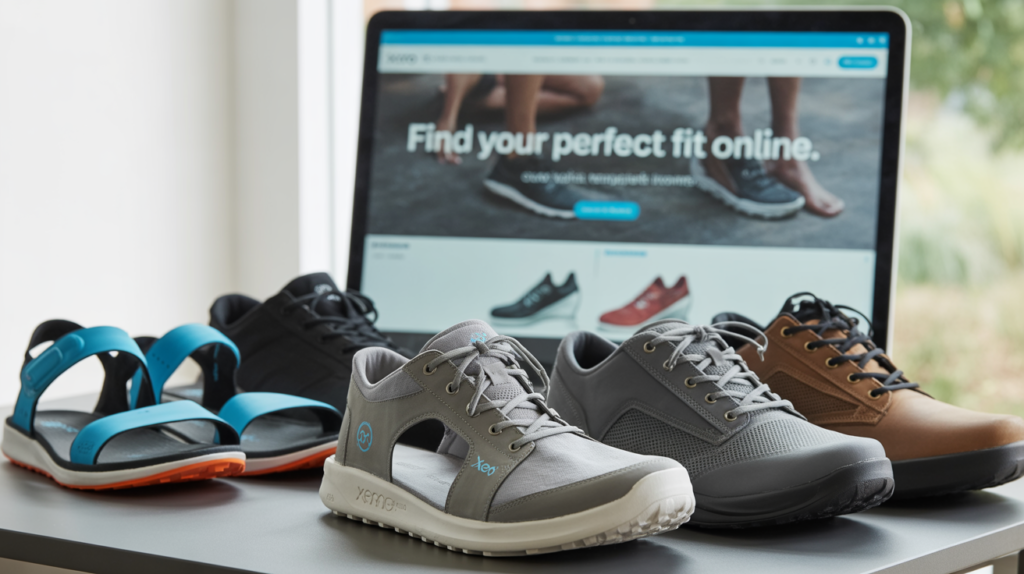
If you are trying to decide how Xero Shoes should fit, the key is to look at the shoe’s shape first, not just the number on the box. Barefoot shoes behave differently from conventional sneakers, so a quick fit check can save you from ordering the wrong size.
- Measure both feet and size to the longer one.
- Check whether the model has enough toe room for natural splay.
- Use the Xero size guide for model-specific guidance.
- If you are between sizes, compare intended use: walking, running, hiking, or all-day wear.
Why Barefoot Shoe Basics Matter For Xero Fit
A lot of sizing problems start with a mismatch between expectations and the design of the shoe. Barefoot shoes are built to let the foot move more naturally, which means the toe box, sole flex, and overall volume all affect how the shoe feels on your foot. That is why a generic sneaker size is only a starting point.
If you want the exact numbers and model-by-model sizing notes, use the dedicated sizing guide for Xero Shoes. This article is designed to help you interpret those details by explaining the barefoot-shoe features that shape the final fit.
Flexible Sole
A flexible sole lets the foot bend more naturally. If you are used to stiff shoes, this can make the same size feel more forgiving at the forefoot but less structured underfoot.
Wide Toe Box
Barefoot designs typically give the toes more room to spread. That extra width is a fit advantage for many buyers, but it also means length and volume must be checked more carefully.
Low Drop Or Zero Drop
Zero-drop shoes place the heel and forefoot at a similar height. The fit can feel different from traditional shoes, especially if you are comparing arch position or heel lock.
When To Size Up, And When Not To
The right answer is not always “go bigger.” Sometimes a half-size up helps, but a larger size can also create heel slip or sloppy midfoot hold. Use the shoe’s shape and your foot shape together to make the call.
Timing Matters: When To Buy And When To Wait
Because fit is the whole point, timing matters when you are buying online. If you are trying a new barefoot shape for the first time, avoid rushing into a sale purchase unless you already know the model fits your foot. Seasonality can help with price, but it should not override fit confidence.
How To Choose With Less Guesswork
The strongest way to avoid returns is to match your foot measurements to the shoe’s actual shape. Start with both feet, then compare length, width, and instep height to the model notes. If you can try a pair in person, stand, walk, and bend your toes while wearing the socks you plan to use most often.
If you want the most direct fit advice, move next to the dedicated measuring guide for Xero Shoes. If your main question is whether a particular model feels too narrow or too roomy, the wide toe box guide is the better next stop.
Ready To Get The Size Right?
Use this article to understand the fit signals, then check the model-specific details before you order. That combination is the easiest way to avoid a too-short toe box or a size that feels loose after a few wears.
Start with the Xero fit guide if you want the most direct next step, or revisit the size guide when you are comparing options.
Frequently Asked Questions

Jessica Linford is an insightful author for My Shoes Finder, where she explores a wide array of general topics that resonate with everyday readers. With a passion for storytelling and a keen eye for detail, she brings a unique perspective to her writing, aiming to inform and inspire through her engaging content. Jessica’s diverse interests drive her curiosity, allowing her to connect with audiences on various subjects while sharing practical tips and relatable anecdotes.
See also:
 Xero Shoes For Back Pain And Posture: What Helps, What Doesn’t, And How To Transition
 Widest Xero Shoes for Wide Feet: Models & Fit Guide
 Who Founded Xero Shoes? The Origin Story Behind The Brand
 Xero Shoes For Children In 2025: Fit, Safety, And Best Models
 How To Measure Your Feet For Xero Shoes Size Fit
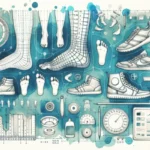 How To Measure Xero Shoes For The Right Fit
It’s interesting to see more people embracing barefoot shoes these days! I switched to them a couple of years ago after experiencing some nagging foot pain, and I have to say, it made a noticeable difference. I love how they promote a natural walking gait—it’s almost as if my feet have been given the freedom to function as they were meant to.
It’s great to hear about your experience with barefoot shoes and how they’ve helped with your foot pain. It really highlights an important aspect of footwear that many overlook: the way our shoes can influence our natural movement.
It’s interesting that you mention how our shoes can influence our natural movement. I’ve been on a bit of a journey with footwear myself lately. Initially, I was skeptical about barefoot shoes, especially with all the marketing hype around footwear these days. But after trying them out, I’ve started to notice a significant difference in how I move and feel during the day.
I’ve found some really insightful info on a brand that focuses on this very aspect of footwear, which could be helpful if you’re exploring how shoes can support natural movement.
‘What Are Xero Shoes? A Clear Brand Overview, Benefits, And Fit Guide’
https://myshoesfinder.com/xero-shoes-an-in-depth-exploration-guide/.
I appreciate your insights on barefoot shoes and their impact on foot health. I’ve recently transitioned to barefoot footwear, and it’s fascinating how much more connected I feel to the ground. It’s true that they encourage a more natural gait and can enhance overall body alignment.
I love the idea of barefoot shoes! I’ve been transitioning to them slowly, and it really changes how I feel while walking and running. It’s interesting to see how the shift towards minimalist footwear aligns with a broader movement prioritizing wellness and natural living.
I resonate deeply with your perspective on barefoot shoes and their significant benefits for foot health. My own journey toward minimalist footwear began when I started experiencing discomfort during long runs, and switching to barefoot shoes truly transformed my experience. The way they enhance natural foot movement has not only improved my comfort but has also made me more conscious of my posture and alignment.
It’s great to hear how your switch to barefoot shoes has reshaped your running experience. It’s fascinating how something as simple as footwear can profoundly influence our body mechanics and overall comfort.
I find your insights on barefoot shoes particularly compelling, especially given the growing interest in natural movement and holistic health practices in recent years. The emphasis on promoting natural foot movement resonates with me, as I’ve come to appreciate how footwear can significantly impact not just foot health, but overall well-being.
I appreciate your exploration into the benefits of barefoot shoes and their potential to enhance foot health. As someone who has transitioned to minimalist footwear over the past year, I’ve experienced firsthand how much they can change one’s awareness of foot movement and overall posture.
It’s fascinating to see a discussion around barefoot shoes gaining traction, especially considering how they align with the growing awareness of natural health trends. The idea of promoting natural foot movement resonates deeply with me, as I’ve personally experienced the difference that switching to minimalist footwear has made in my own life.
Your exploration of barefoot shoes and their benefits highlights an important shift in our understanding of foot health and natural movement. I’ve recently begun to appreciate the philosophy behind minimalist footwear, particularly as someone who spends a lot of time on my feet. Transitioning from traditional sneakers to barefoot shoes has not only improved my comfort but has also made me more mindful of my posture and overall alignment.
It’s fascinating how barefoot shoes have gained traction as people become more aware of foot health and natural movement. I’ve recently made the switch, and it’s been an eye-opener! Initially, I was skeptical about going minimalist, but I discovered that my foot strength and posture have really improved over time.
I really appreciate your insights on barefoot shoes! I started exploring minimalist footwear a year ago after dealing with some foot pain that traditional shoes seemed to exacerbate. The difference has been impressive—embracing the more natural movement has made my runs feel so much more effortless. It’s interesting how our shoes can influence overall foot health, something many of us don’t consider until we run into issues.
I really appreciate your insights on barefoot shoes and how they prioritize foot health! I remember my first experience with them; I was a bit skeptical at first. I’m so used to the cushioning and support that traditional running shoes provide. But once I tried on a pair of barefoot shoes, it felt like I was rediscovering my feet all over again! The freedom and natural movement were eye-opening—almost like I was reconnecting with the ground beneath me.
I appreciate the focus on the importance of fit when it comes to choosing Xero Shoes, especially since transitioning to barefoot shoes can be such a transformative experience for many of us. Having recently made that switch myself, I can confirm that the change in fit and sensation is significant, and proper sizing really does play a crucial role in comfort and performance.
I couldn’t help but chuckle at the thought of trying to squeeze my broad, hobbit-like feet into shoes that are only concerned about numerical sizes. The journey of finding the perfect fit is almost as tricky as navigating a pre-hike breakfast buffet—yummy, but fraught with peril!
I really appreciate the detailed focus on fit when it comes to barefoot shoes like Xero Shoes. It’s clear that the traditional sizing system isn’t always reliable, especially for footwear designed to mimic the natural foot shape and movement. When I first began running in minimalist shoes, I struggled with the sizing—my left foot is about a half size longer than my right, and I ended up ordering a pair that felt right until I tried to run for more than just a few miles.
This discussion on how Xero Shoes should fit opens up a fascinating conversation about the evolution of footwear and the advantages of a barefoot design. As someone who has transitioned from conventional sneakers to barefoot shoes, I can attest to the difference in not only fit but overall foot health.
It’s great to hear about your journey from conventional sneakers to barefoot shoes. Making that switch can feel like stepping into a new world—literally. It’s interesting how many people aren’t aware of the impact their footwear has on things like foot health, posture, and even how they move throughout the day.
You’ve hit the nail on the head about the importance of shoe fit—especially with Xero Shoes! It’s kind of like finding the perfect avocado; you want it just right—not too squishy (or pinch-y). As someone who has gone on a small epic quest through various brands and models, I can tell you that toe room is not just a luxury; it’s a necessity!
You’ve really captured the essence of finding the right fit with shoes—it’s such a nuanced process, isn’t it? I love the avocado analogy; it’s so true that both involve a delicate balance. Having that room for the toes can change everything, not just in comfort but also in how we move and feel throughout the day.
Your emphasis on the shoe’s shape over the size number resonates with me, particularly regarding the unique characteristics of barefoot shoes. I’ve noticed that many people tend to just grab their usual size without considering how different brands and styles can fit quite differently. The point about allowing room for natural toe splay is especially critical. In the past, I suffered from persistent foot discomfort, and it was only after I embraced minimalist footwear that I realized how vital proper toe room is for overall foot health.
You make a solid point about focusing on fit rather than just the size number! I once ordered a pair of “barefoot” shoes thinking I was the proud owner of normal-sized feet—turns out I was actually nurturing little hobbit feet instead. Who knew my toes needed more room to spread out and engage in their own tiny yoga practice?
Your insights on the fit of Xero Shoes resonate deeply with the broader conversation about the significance of proper footwear in promoting not only comfort but overall foot health. As someone who has transitioned from traditional sneakers to barefoot running shoes, I can attest to the transformational experience that comes from finding the right fit—it’s not just about sizing, but more about how the shoe interacts with the biomechanics of our feet.