
If you want a trail shoe that feels lighter than a traditional boot, Xero’s under-14oz options are the clearest place to start. The real question is not just weight, but which model matches your terrain, weather, and fit needs.
Quick decision box
If you already know you want the broad Xero hiking picture first, start with the main hiking guide. If you’re narrowing to lightweight boots, use the table below to match a model to your trip.
- Wet Or Mixed-Weather Hikes choose a waterproof model.
- Fast Day Hikes And Lighter Loads choose the most breathable, low-bulk option.
- Casual Trail-To-Town Wear prioritize style and all-day comfort.
- Wide Feet Or Uncertain Sizing check fit resources before ordering.
Which Xero Hiking Boots Are Under 14 Oz?
Xero’s lightweight hiking lineup is built around the same core idea: keep the shoe low on weight while preserving trail protection, wide toe room, and the brand’s zero-drop platform. In practice, that makes these boots a better fit for hikers who value agility and natural foot movement more than maximum cushioning.
| Model | Weight focus | Waterproofing | Best terrain fit | Best use case |
|---|---|---|---|---|
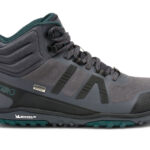
| Xcursion Fusion | Lightweight for a waterproof boot | Yes | Wet trails, creek crossings, shoulder season | Hikers who want the safest all-weather pick |
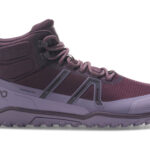
| Scrambler Mid | Ultralight feel | No | Dry-to-mixed terrain, rocky paths, faster hikes | Trail hikers who want grip without extra bulk |
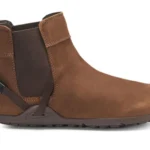
| Ridgeway | Light enough for casual hiking | Limited weather protection | Easy trails, travel, everyday wear | Buyers who want one boot for town and trail |
That split matters. The Xcursion Fusion is the safer choice if you expect rain or sloppy ground. The Scrambler Mid is the cleaner match for hikers who care more about speed, traction, and packability. The Ridgeway is less of a pure mountain boot and more of a versatile crossover option.
How The Under-14Oz Category Actually Wears On Trail
Lightweight hiking boots are not just about saving ounces on a spec sheet. On the trail, lower weight usually means less leg fatigue on climbs, easier foot turnover on fast descents, and a more natural stride over long days. That is the main reason Xero’s hiking boots appeal to minimalist hikers looking for a barefoot-inspired feel without giving up full coverage.
The trade-off is straightforward: less structure and less cushioning can feel freeing to experienced hikers, but it may not suit everyone right away. If you are switching from conventional hiking boots, the first adjustment is often fit, not weight. For sizing help, keep Xero’s fit guide and the size guide handy before you buy.
Best For Wet Conditions
Choose the Xcursion Fusion if your hikes involve damp ground, light rain, or stream crossings. Waterproofing adds a little structure and usually a bit more weight, but it pays off when weather is the deciding factor.
Best For Fast, Dry Hiking
Choose the Scrambler Mid if you want the most agile trail feel and do not need waterproofing. It is the sharper option for hikers who value grip, lightness, and quick movement over all-season coverage.
Best For Everyday Crossover Wear
Choose the Ridgeway if you want one boot that can handle easy trails and still look at home off the trail. It is the least specialized option here, but also the easiest to live with day to day.
What To Expect From Fit, Grip, And Durability
Xero’s hiking boots keep the brand’s familiar wide toe box and zero-drop geometry, which helps your feet spread naturally and stay stable on uneven ground. That matters when the trail gets rocky or side-sloped, because toe splay and ground contact can make the shoe feel more secure even when the upper itself stays relatively light.
Durability is where expectations should stay realistic. Lightweight construction usually means fewer bulky layers, so these boots are not trying to be expedition boots. They are better understood as efficient, flexible trail tools: strong enough for regular hiking, smart enough for travel, and light enough to encourage longer days outside.
If your feet are unusually wide, uneven, or hard to fit, do not treat the under-14oz angle as the only decision factor. Start with the wide toe box overview and compare your measurements against the model you want. A lighter boot is only a win if it fits well enough to wear comfortably after mile three.
When To Buy And When To Wait
If you are shopping for hiking season, timing matters more than most buyers expect. Ultralight and popular trail models often sell through first in core sizes, especially in spring and early summer when hikers are building out their gear for the season. If you already know your size in Xero, do not wait for a perfect “maybe later” window.
| Best timing | Late winter through early spring, before peak trail season drives size shortages. |
|---|---|
| When to wait | If you are still uncertain on fit, wait until you confirm sizing rather than guessing on a light, low-structure boot. |
| Best move for buyers | Check fit resources first, then choose the model based on weather and terrain, not just weight. |
Where This Page Fits In The Wider Xero Hiking Lineup
This article works best as the lightweight-boot decision page inside a broader hiking cluster. If you want the general trail comparison, go back to the main hiking guide. If you want a more specific model-versus-model decision, the most useful next reads are Daylite Hiker vs. Scrambler Mid and Scrambler Low for hiking and daily wear.
Best next step
If you want the quickest route to the right pair, compare this page against the broader hiking guide, then narrow to the model that matches your weather and fit needs. That keeps you from buying the lightest option when a waterproof or more versatile boot would be the better trail choice.
Start with Xero’s main hiking guide, then come back here for the under-14oz shortlist.
Frequently Asked Questions
Are Xero Hiking Boots Good For Beginners?
They can be, but beginners usually do best when they start with the right fit and a manageable trail. If you are new to minimalist footwear, sizing and transition matter as much as model choice.
Which Xero Boot Is Best For Wet Hikes?
The Xcursion Fusion is the clearest pick when waterproofing is important. If you expect frequent rain or stream crossings, that trade-off is worth it.
Should I Size Up In Xero Hiking Boots?
It depends on your foot shape, sock choice, and how much toe room you want. Use the Xero size guide before deciding.
Is The Scrambler Mid Better Than The Ridgeway For Hiking?
For trail performance, usually yes. The Ridgeway is the more casual crossover boot, while the Scrambler Mid is the stronger match when hiking performance matters more than everyday style.

Jessica Linford is an insightful author for My Shoes Finder, where she explores a wide array of general topics that resonate with everyday readers. With a passion for storytelling and a keen eye for detail, she brings a unique perspective to her writing, aiming to inform and inspire through her engaging content. Jessica’s diverse interests drive her curiosity, allowing her to connect with audiences on various subjects while sharing practical tips and relatable anecdotes.
See also:
 Xero Daylite Hiker Vs. Scrambler Mid: Which Hiking Shoe Should You Buy?
 Xero Shoes Scrambler Low EV Review: The Lightweight Trail Shoe I’d Reach for Beyond the Hike
 Xero Ridgeway Chelsea Boots: Fit, Features, And Who They’re Best For
 Xero Shoes For Hiking: 2025 Trail Test Results, Durability, And Best Models
 Scrambler Trail Mid WP – Waterproof Hiking Boot
 Scrambler Mid II WP – Ultralight, Waterproof Hiking Boot

The emphasis on lightweight design in Xero Shoes’ hiking boots really resonates with me, especially as outdoor enthusiasts begin to prioritize comfort and agility on the trails. I’ve experienced firsthand how traditional hiking footwear can often feel cumbersome, particularly during longer hikes where fatigue can set in. The concept of a barefoot-inspired experience is appealing, as it aligns with the principles of natural movement and function.
It’s great to hear that the emphasis on lightweight design strikes a chord with you. You’re spot on about how traditional hiking footwear can weigh us down, especially during those longer treks. Nothing quite drains the joy out of a beautiful hike like sore, tired feet from heavy boots that don’t allow for natural movement.
I completely resonate with what you’ve said about the impact of traditional hiking footwear on our experience outdoors. It’s interesting how something as simple as the weight of our shoes can influence our entire hike.
You bring up a really important point about traditional hiking footwear and its impact on our experience outdoors. I’ve found that when I switch to lighter shoes, I enjoy the hike so much more. It’s fascinating how something as seemingly minor as the weight of shoes can affect our stamina and overall enjoyment.
It’s interesting to see more brands like Xero Shoes focusing on the balance between lightweight design and performance in hiking footwear. The emphasis on a barefoot-inspired experience is particularly appealing, especially as more outdoor enthusiasts are recognizing the importance of natural biomechanics. I’ve always felt that traditional hiking boots can be overly rigid and cumbersome, often leading to discomfort on longer treks.
You’ve touched on a crucial point about hiking footwear. The shift towards lightweight, barefoot-inspired designs really opens up new options for longer treks. It’s refreshing to see brands like Xero Shoes embracing a more natural approach, and it resonates deeply with those of us who have struggled with the rigidity of traditional boots.
It’s definitely a shift in the outdoor gear landscape, isn’t it? The focus on lightweight design and a more natural feel really resonates with many hikers who are looking to improve not just their comfort, but also their performance on the trail. I’ve felt that same discomfort with traditional hiking boots; they can sometimes feel like you’re lugging around a small weight on your feet rather than enjoying the journey.
If you’re intrigued by the shift towards lightweight, performance-driven footwear, you’ll find some valuable insights in this guide on Xero Shoes’ Chelsea boots and the perks they bring to natural movement.
‘Chelsea Boots Guide: Discover Xero Shoes Styles and Benefits’
https://myshoesfinder.com/chelsea-boots-guide-discover-xero-shoes-styles-and-benefits/.
I completely resonate with your thoughts on traditional hiking boots. They can indeed feel like they weigh you down, especially on long treks where comfort is key. The shift toward lightweight designs, especially with brands like Xero Shoes prioritizing a barefoot-inspired experience, really does reflect a growing awareness of how our footwear impacts our overall movement and enjoyment of the outdoors.
It’s interesting to see the growing emphasis on lightweight and minimalistic footwear in the hiking community. As someone who loves spending long days on the trails, I’ve often struggled with the balance between support and weight. Traditional hiking boots can feel cumbersome after hours of walking, which can take away from the enjoyment of the experience.
It’s interesting to see how minimalistic footwear is becoming more mainstream among hikers. While the lightweight design of Xero Shoes is undoubtedly appealing, I’ve always wondered if the lack of cushioning truly accommodates all foot types. I recall a hiking trip where I switched to a minimal shoe, and although my feet felt more natural, I ended up with some discomfort after a long trek over uneven terrain.
It’s great to hear about your experience with minimal shoes during your hiking trip. You’re definitely not alone in feeling that mix of natural movement and discomfort after long trails. Minimalist footwear can be a bit of a double-edged sword when it comes to providing the right support and cushioning for different foot types.
You’re spot on with the whole mix of natural movement and discomfort thing—it’s like getting a solid hug from a cactus at one moment and then a luxurious spa treatment the next. Minimalist shoes can really throw a wrench in what our feet think they know about life. One minute you’re feeling all breezy and connected to Mother Earth, and the next, your arches are giving you a stern talking-to.
You bring up a great point about the balance between minimalism and comfort, especially during long hikes. It’s interesting how our experiences can vary so much depending on our foot types and the terrains we’re navigating. Minimal footwear definitely aims to promote a more natural foot movement, but it’s true that not everyone may find it comfortable for all adventures.
Your insights on Xero Shoes are incredibly relevant, especially in a time when so many of us are re-evaluating our relationship with the outdoors and the gear we use. The emphasis on lightweight design that doesn’t sacrifice performance resonates deeply, not just with my hiking experience but also with a broader trend in outdoor activities aiming to prioritize sustainability and well-being.
I really appreciate your perspective on Xero Shoes. It’s interesting how our relationship with the outdoors is evolving and how gear plays a pivotal role in that experience. Lightweight design definitely seems to be gaining traction among outdoor enthusiasts, particularly as people are looking to blend performance with sustainability.
It’s great to hear that you resonate with the evolving relationship we have with the outdoors, especially as it ties into our gear choices. The shift toward lightweight design in outdoor equipment, like Xero Shoes, really reflects a broader trend among enthusiasts. As we spend more time exploring nature, there’s a growing awareness of how our gear does more than just serve a functional purpose; it can also support our values around sustainability.
It’s interesting how our gear choices can really reflect not just our preferences but also our values, isn’t it? This shift towards lightweight design feels like it’s not just practical; it’s almost a statement about how we view our interactions with nature. Xero Shoes, for example, have a unique approach that resonates with many who are looking to connect more authentically with the outdoors.
You make a great point about how our gear choices can reflect our values. It’s fascinating to think about how the evolution of outdoor equipment mirrors our growing awareness of sustainability and our relationship with nature. Lightweight designs like those from Xero Shoes definitely seem to cater to a desire for a more grounded experience—it’s like they empower us to feel the earth beneath our feet instead of being overly cushioned or isolated.
Speaking of connecting authentically with nature, I recently came across some insights on winter boots that not only prioritize warmth and waterproofing but also embrace that lightweight ethos we value so much.
‘Xero Shoes Winter Boots Review: Best Picks For Warmth, Waterproofing, And Traction’
https://myshoesfinder.com/xero-shoes-winter-boots-stylish-comfort-for-every-season/.
You make a great point about the evolving relationship we have with the outdoors and how the gear we choose is a significant part of that experience. It’s fascinating how lightweight design has become a priority. Many outdoor enthusiasts are looking for versatile gear that allows them more freedom without compromising performance. People seem to appreciate the ability to move easily, whether it’s on a challenging trail or just enjoying a day in the park.
I must say, the idea of hiking in boots that are lighter than my average breakfast burrito is both intriguing and a bit alarming! The notion that we can leap over a stream or tread over rocky terrain while feeling like we’re strolling through a fluffy cloud really tests the limits of my imagination. I can’t help but think that if these boots can take me through a forest as seamlessly as I put on socks in the morning, I might just start to believe that the “barefoot experience” is not just a trendy phrase, but a weighty promise (pun intended)!
It’s fascinating to see how outdoor gear, particularly hiking footwear, has evolved over the years to meet the needs of modern hikers. I’ve always been a proponent of lightweight gear, especially when it comes to hiking, where every ounce can really make a difference on long treks. The features you describe about Xero Shoes—like the zero-drop design and wider toe box—are enticing because they align so well with the increasing awareness of natural biomechanics in sports and physical activities.
I appreciate how Xero Shoes emphasizes the balance between lightweight design and natural foot movement. It reminds me of my recent hiking trip where I struggled with heavy boots that restricted my agility on rocky trails. The idea of a wider toe box and minimalistic approach really resonates with me, especially when considering the long-term health of our feet. This trend toward more natural footwear seems to align with a broader cultural shift toward mindfulness in outdoor activities. Have others experienced a noticeable difference in their hiking comfort with similar shoes? It’s fascinating to see how our choices in gear can profoundly affect our adventures!
It’s so refreshing to read about Xero Shoes and their commitment to creating gear that really respects the natural movement of our feet. I’ve always believed that the footwear we choose can have a significant impact on how much we enjoy our outdoor adventures. When hiking, it’s not just about the trails you choose; it’s also about how you feel on those trails, right? I remember my first time hiking with a more conventional pair of heavy boots—I felt like I was dragging bricks up the mountain. It wasn’t until I switched to a lighter shoe that I realized how much freedom and comfort I’d been missing.
It’s fascinating to see how the hiking footwear market has evolved to meet the demands of modern hikers who are looking for both performance and comfort without the unnecessary bulk. Xero Shoes seems to be at the forefront of this trend with their innovation in lightweight design. As someone who has experienced the discomfort of heavy, traditional hiking boots, I can fully appreciate the benefits of a shoe that prioritizes natural foot movement.
It’s great to hear your perspective on the evolution of hiking footwear. The shift towards lighter shoes that allow for natural foot movement really does reflect a broader trend in outdoor gear—one that emphasizes efficiency and comfort. I’ve had my share of experiences with heavy boots that left my feet sore after a long trek, so I can relate to the relief that a lighter shoe can bring.
I’ve been really curious about trying out Xero Shoes since I’m always on the lookout for lightweight options that don’t sacrifice comfort. The idea of a boot that weighs under 14 ounces is pretty intriguing, especially when you think about long hikes where every ounce counts.
I’ve had my eye on Xero Shoes as well, especially for that lightweight aspect. It’s impressive how they manage to keep the weight down without compromising on comfort. For me, finding the right gear is all about balancing lightness and support, especially on long hikes where my feet take a real beating.
I really resonate with your insights about the importance of lightweight footwear for hiking, especially when it comes to maintaining comfort and performance on varied trails. As someone who has done a fair amount of hiking, I can attest to the significant difference that the right footwear makes, not just for your comfort but also for your overall safety on the trail.