
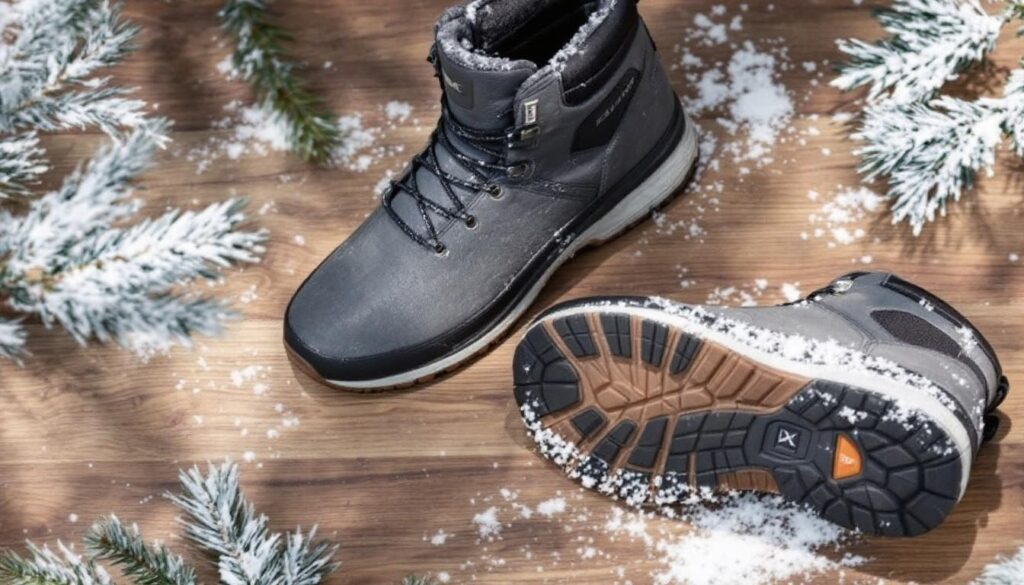
Xero’s winter boots appeal to buyers who want a more natural foot shape, lighter weight, and enough protection for cold, wet conditions. The tradeoff is simple: you need to choose carefully based on your climate, because a barefoot boot that feels great on dry sidewalks may not be the same pair you want for slush, deep snow, or long hours outdoors.
| Use case | Warmth need | Waterproof priority | Best trait to favor |
|---|---|---|---|
| Snowy Commuting | Medium to high | High | Easy on/off, slush resistance, stable traction |
| Winter Hiking | High | High | Grip, ankle coverage, secure fit over socks |
| Everyday Cold-Weather Wear | Medium | Medium | Lightweight feel, breathable lining, style versatility |
Why Xero Winter Boots Stand Out
The brand’s winter boots are built around a barefoot-friendly shape, which means a wider forefoot, less restrictive feel, and lighter movement than many traditional cold-weather boots. That matters if you dislike the stiff, bulky feel of conventional winter footwear, but it also means you should be realistic about your environment: these boots are best when you want a balance of winter protection and natural movement, not a heavily insulated mountaineering boot.
The strongest selling points are the ones buyers usually care about first: waterproofing, traction, comfort over time, and enough room to keep toes from feeling compressed. If your feet run wide or you usually feel squeezed in standard boots, the fit-first approach is especially important. For sizing help, see Xero fit guidance and the more detailed sizing guide.
What To Look For Before You Buy
Because this page is about winter-boots buying decisions, the best way to compare models is by practical tradeoff rather than a long list of repeat features. A good Xero winter boot should do four things well: keep water out, allow some breathability, stay comfortable over longer wear, and grip better than a casual shoe on slick surfaces.
- Waterproofing Essential if your winter includes slush, wet sidewalks, or melting snow.
- Breathability Helps reduce clammy feet during indoor-outdoor transitions and brisk walking.
- Traction More important if you walk on icy pavement, packed snow, or uneven winter trails.
- Toe Room Important for layering socks without creating pressure points.
- Weight Lighter boots are easier for everyday wear and longer days on your feet.
The toe box is part of why many people consider Xero in the first place. If that feature matters to you, it is worth reading more about the wide toe box and how it changes comfort. If your feet tend to feel constrained, also look at the broader wide-feet guide before ordering.
Warmth, Waterproofing, And Breathability: How The Balance Works
The main reason winter boot reviews become confusing is that warmth and breathability do not always move together. More insulation can help in true cold, but it can also trap moisture and make the boot feel hotter than you want once you go indoors. That is why a barefoot winter boot is often best for active wearers, commuters, and people who prefer to regulate warmth with socks rather than with very thick construction.
If your winters are wet more than they are arctic, waterproofing should be your first filter. If your winters are dry but cold, breathability and sock compatibility may matter more. And if you plan to use the boots for longer treks, the dominant winter-performance page at Xero winter trekking performance is the better companion read because it shifts the emphasis from general buying to terrain-specific use.
Fit Notes That Matter More In Winter
Winter fit is slightly different from warm-season fit because socks change the shape of the foot and can expose pressure points that are not obvious in thin socks. Start by measuring both feet, then try the larger one first. You want a secure heel, enough room in the forefoot for natural toe splay, and just enough length to avoid bumping the front when walking downhill or on uneven ground.
A snug heel is useful for stability, but a cramped toe area can make cold-weather wear miserable. If you are between sizes or planning to wear thick socks often, the sizing-specific articles above are worth reading before you commit. That step matters more here than with a summer shoe because winter fit mistakes are harder to ignore once the temperature drops.
The best time to buy is before the first real cold snap, when popular sizes are still available and you have time to test socks, fit, and return policy. If you wait until peak winter, inventory gets tighter and you are more likely to settle for a size that is only “close enough.”
| Timing | What it means for you |
|---|---|
| Early Fall | Best selection, easier size swaps, time to break in socks and fit. |
| Mid-Winter | More urgency, fewer size options, and higher risk of buying without enough testing time. |
| End-Of-Season Sales | Good for discounts if you already know your size and are buying for next winter. |
Care, Durability, And What The Original Article Got Right
The original draft was strongest when it covered maintenance and the practical reasons people choose Xero in winter. Those ideas still belong here, but they work better after the buying decision has been clarified. Wipe the boots after snow or salt exposure, let them dry naturally, and avoid harsh cleaners that can shorten the life of the upper or affect water resistance.
Durability also depends on use. If you are walking city blocks and doing everyday errands, the boots should last differently than if you are using them for repeated winter trail outings. That is another reason the trekking guide remains the dominant page for more demanding cold-weather activity: it speaks more directly to terrain, mileage, and outdoor stress.
- After Each Wear brush off grit, salt, and wet debris.
- For Deeper Cleaning use mild soap and a damp cloth rather than aggressive solvents.
- For Storage keep the boots in a dry place away from direct heat and sunlight.
- For Longevity inspect seams, outsole wear, and water-entry points regularly.
If you already know you want Xero’s winter approach, the next best step is to compare cold-weather use cases, then confirm fit before ordering. The trekking guide helps with performance expectations, while the fit articles help prevent returns and disappointment.
For people who know they need more winter-specific performance, the trekking-focused winter guide is the best next click. If your biggest concern is sizing, go straight to fit and sizing before choosing a model.
Faqs
Are Xero Shoes Winter Boots Suitable For Extreme Cold?
They can work well in cold conditions when your needs are matched to the boot, but they are not the same as heavy expedition boots. For extreme cold, pay closer attention to insulation, sock system, and how much time you will spend outside.
How Do I Clean My Xero Shoes Winter Boots?
Wipe them with a damp cloth and mild soap, then let them dry naturally. Avoid harsh cleaners that can damage materials or shorten water resistance.
Can I Wear Xero Shoes Winter Boots For Hiking?
Yes, especially for lighter winter hikes and packed trails. If your hikes are more technical or cold-weather focused, compare them against the winter trekking guide before you buy.
How Do I Know What Size To Order?
Measure both feet, account for winter socks, and use the brand’s sizing advice before ordering. The fit and sizing articles linked above are the safest way to avoid a frustrating exchange.
Are Xero Shoes Winter Boots Good For Icy Surfaces?
They are designed to give better traction than casual shoes, but no outsole removes all slip risk on ice. Use them with realistic expectations and choose a model with the grip level you need.

Jessica Linford is an insightful author for My Shoes Finder, where she explores a wide array of general topics that resonate with everyday readers. With a passion for storytelling and a keen eye for detail, she brings a unique perspective to her writing, aiming to inform and inspire through her engaging content. Jessica’s diverse interests drive her curiosity, allowing her to connect with audiences on various subjects while sharing practical tips and relatable anecdotes.
See also:
 Xero Shoes For Cold Weather Trekking: What Works, What Doesn’t, And When To Upgrade
 Xero Shoes In Extreme Cold: What -40°F Testing Actually Showed
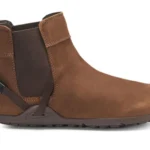 Xero Ridgeway Chelsea Boots: Fit, Features, And Who They’re Best For
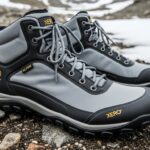 Xero Shoes Alpine Review: Winter Fit, Comfort, And Versatility
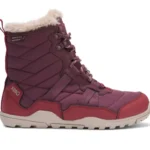 Xero Winter Boot Comparison: Denver Vs Alpine — Which Fits Your Conditions?
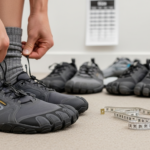 Xero Shoes Sizing For Thick Socks: How Much Room To Leave
It’s fascinating to see how the design of footwear, particularly in the barefoot category like Xero Shoes, can transform our winter experiences. The commitment to comfort alongside functionality reflects a growing understanding of how our choices in gear can impact not just our performance outdoors, but our overall connection to nature during colder months.
I love how you highlighted the unique features of Xero Shoes winter boots—it’s like they’ve taken the “barefoot” concept and said, “Why not also keep your toes toasty while you’re at it?” It’s about time someone combined winter survival gear with a dash of style!
I really appreciate the comprehensive insights you’ve shared about Xero Shoes winter boots and their unique features! As someone who has always been intrigued by the barefoot footwear movement, your perspective highlights how essential it is to find a balance between comfort, style, and functionality, especially in challenging weather conditions.
I appreciate your insights on Xero Shoes winter boots, particularly their innovative design that prioritizes both comfort and style during colder months. As someone who values barefoot footwear for its natural approach to movement, I find it fascinating how companies like Xero are adapting to different environmental conditions while maintaining their core philosophy.
It’s really interesting to see how footwear like Xero Shoes is evolving, especially in the context of winter use. I’ve always been a proponent of barefoot-style shoes for their natural feel and the way they connect you to the ground, but winter conditions definitely present unique challenges that I’m curious about.
It’s refreshing to see a focus on barefoot footwear, especially for winter activities where comfort and warmth are essential. I’ve been curious about Xero Shoes ever since I started adopting a more minimalist approach to my footwear. In my experience, finding boots that balance a natural feel while providing adequate insulation can be a challenge.
It’s interesting that you mention the balance between a natural feel and warmth for winter activities. I completely relate — finding the right footwear, especially in colder months, can be quite a task. I’ve been exploring barefoot footwear myself and have found it shifts your overall comfort and balance, but insulation has always been the tricky part for me as well.
I completely get that struggle with finding the right balance in footwear; if you’re curious about more minimalist options, I came across some lightweight hiking boots that might just hit that sweet spot for comfort and warmth.
‘Xero Shoes Lightweight Hiking Boots: Weighing in at Under 14oz’
https://myshoesfinder.com/xero-shoes-lightweight-hiking-boots-under-14oz/.
It’s fascinating to see how brands like Xero Shoes are reshaping our understanding of winter footwear. The emphasis on barefoot design not only caters to comfort but also aligns with a broader movement toward natural foot health. I recently tried a pair of barefoot shoes on a winter hiking trip, and I was pleasantly surprised by how much they allowed me to feel the terrain, even in colder conditions.
I found your insights into Xero Shoes winter boots really intriguing! It’s interesting how the barefoot design concept is gaining traction, especially in colder climates. I’ve always been a bit skeptical about barefoot footwear in winter, thinking warmth and protection would be compromised. But hearing about their innovative features has me rethinking that!
I really appreciate the focus on Xero Shoes and their winter boot lineup. Their commitment to barefoot design is notable, especially as it attempts to bridge the gap between comfort and function in colder climates. I’ve been considering making the switch to barefoot footwear, and the unique features you’ve highlighted—like waterproof capabilities and breathability—are essential for my winter adventures.
I’ve always been fascinated by the concept of barefoot shoes, especially during winter when discomfort can really deter outdoor activities. Xero Shoes has caught my interest due to their innovative approach, as you mentioned. I appreciate the emphasis on comfort and design, which is essential for maintaining warmth and mobility in cold conditions.
Your insights into Xero Shoes winter boots really resonate with me, especially the emphasis on a barefoot-style fit combined with essential cold-weather features. I’ve always struggled to find winter footwear that balances warmth and natural movement, as many traditional boots feel bulky and restrictive.
I appreciate the focus on the balance between barefoot-style fit and cold-weather protection in your guide to Xero Shoes winter boots. It’s encouraging to see brands acknowledge the growing interest in natural footwear, particularly as more of us embrace outdoor activities year-round. I’ve personally transitioned to barefoot shoes for their ergonomic benefits, and I often find that conventional winter boots can feel too restrictive, limiting my movement and connection to the ground.
It’s interesting to see how Xero Shoes winter boots are positioned as a solution for those who prioritize a barefoot-style approach while navigating the challenges of winter weather. The shift towards more natural footwear has become quite a movement in recent years, as many of us are becoming increasingly aware of the implications of shoe design on our overall health and mobility. I remember a few winters ago when I chose traditional winter boots that prioritized insulation and waterproofing, only to find them clunky and restrictive. After a day on the trails, my feet felt cramped and fatigued, which made me rethink my priorities when it came to seasonal footwear.
Your insights on Xero Shoes winter boots resonate with me, particularly when discussing the balance between comfort and functionality during the colder months. As someone who values both foot health and outdoor activities, I appreciate the emphasis on a barefoot-style fit without sacrificing essential winter protection.
It’s fascinating how the trend towards barefoot-style footwear has evolved, especially in winter options like Xero Shoes. I’ve always struggled with bulky winter boots that compromise both comfort and foot health. This guide highlights the right balance between protection and a natural fit, which is so important, especially for those of us who spend a lot of time outdoors.
I totally resonate with your insights on Xero’s winter boots, especially the balance between a barefoot feel and the necessary protection for winter weather. I’ve been dabbling with minimalist footwear for a while now, and I love how these boots maintain that natural foot shape — it really makes a difference in comfort during long walks in the snow.