
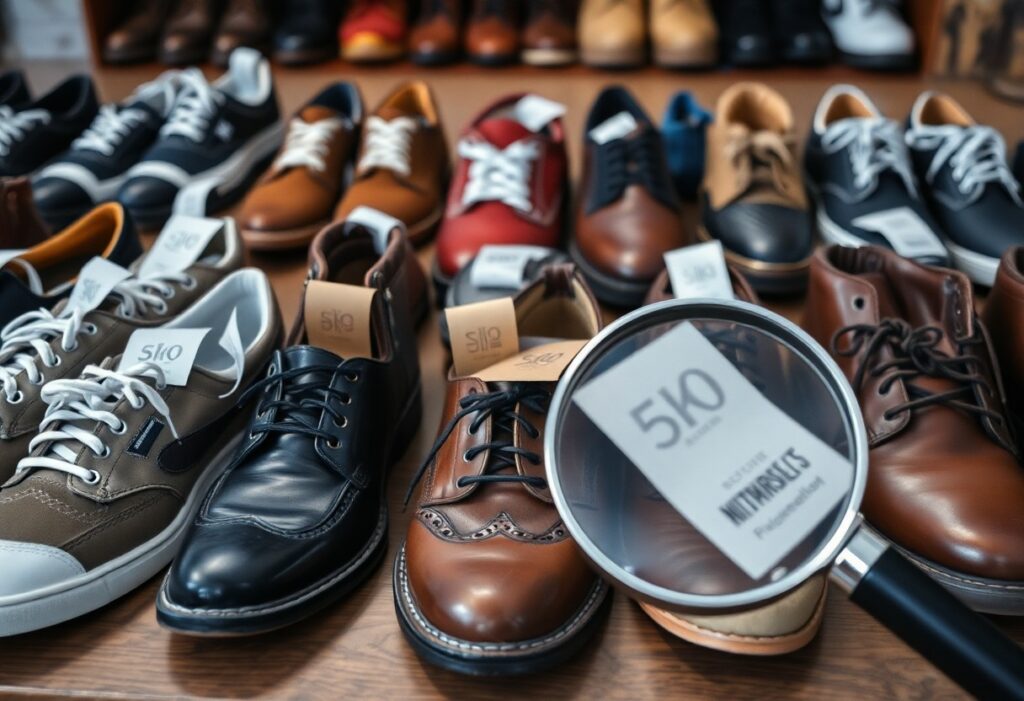
Buying second-hand shoes can unlock premium footwear at a fraction of retail, but only if you know what to inspect. This guide helps you buy second-hand shoes without overpaying or ending up with a pair that is worn out, mis-sized, or poorly made.
Quick buy check
- Best Value lightly worn pairs with original shape, clean lining, and intact stitching.
- Best Sources trusted resale shops, verified marketplaces, and sellers who provide clear close-up photos.
- Walk Away If the sole is uneven, the insole is heavily molded, the seller hides flaws, or the price is close to new.
- Need A Broader Buying Baseline? See the broader quality shoes buying guide for brand and construction context.
| What to judge | Best choice | Risk level |
|---|---|---|
| Condition | Light wear, even sole pattern, no separation | Low |
| Brand and model | Known models with consistent sizing and resale demand | Low to medium |
| Construction | Resoleable builds and strong stitching | Low |
| Price | At least 30% to 60% below retail for lightly used pairs | Medium if close to new pricing |
| Authenticity | Verified markings, clean photos, matching labels | High if unclear |
Where To Buy With The Least Risk
The safest places to buy used shoes are sellers that show clear product photos, disclose flaws, and offer some form of buyer protection or return policy. Verified resale stores are usually the easiest choice when you want less uncertainty, while marketplace listings can offer better prices if you are willing to inspect carefully.
If you are comparing used shoes against new entry-level pairs, it can help to check the affordable quality shoes guide so you can judge whether a resale listing is truly a deal.
Specialty resale stores
Usually the best option for authenticity, cleaning, and easier returns. Prices may be higher, but the risk is lower.
Online marketplaces
Good for selection and price, especially if seller ratings, close-up images, and measurements are available.
Thrift and vintage shops
Best for bargains and rare finds, but selection is inconsistent and inspection matters more than ever.
How To Inspect A Pair Before You Pay
Start with the sole. Uneven wear, blown-out heel edges, cracked midsoles, or separation at the upper usually mean the shoe is closer to the end of its life than the listing suggests. Then move to the inside, where molded foot shapes, compressed insoles, and stained linings can reveal how heavily the shoes were used.
For leather pairs, check the upper for deep creases, dryness, and scuffs that have gone beyond surface wear. If you want to understand why some leather ages better than others, this leather quality guide is useful background before you judge a used listing.
- Outer Condition look for symmetry between both shoes, intact stitching, and no hidden cracking near flex points.
- Inner Condition check the insole, heel counter, and lining for wear that could affect fit and comfort.
- Sole Condition examine tread depth, heel collapse, and any signs of prior repair.
- Smell And Storage musty odor, mildew, or moisture marks can signal poor storage and later damage.
Construction Matters More In Used Shoes
A well-built shoe has a much better chance of surviving a second life. Goodyear welted and similarly resoleable shoes are especially attractive in the resale market because the outsole can be replaced when the upper is still in good shape. Lightweight glued shoes can still be worth buying, but only if wear is minimal and the price reflects the shorter remaining lifespan.
Pay attention to the sole type, stitching consistency, and whether the shoe has already been repaired. A pre-owned pair with quality construction is often a smarter buy than a cheaper shoe with no repair path.
Fit, Sizing, And When To Ask For More Measurements
Used shoes should be close to your normal size, but sizing alone is not enough. Ask for insole length, width, and, when relevant, toe box shape or width markings. If the seller gives only a label size and no measurements, treat that listing as higher risk.
Foot shape matters too. A shoe that is technically the right length may still fail if you need more width, a higher instep, or a roomier toe box. If you are often between sizes, the tips for uneven foot sizes can help you decide whether a pair is worth the risk.
- Leave enough toe room for dress shoes so your foot does not hit the front under load.
- Expect some break-in only from good construction, not from shoes that already feel cramped.
- Use seller photos of the outsole and insole to judge whether the shoe has already molded to another foot.
What A Fair Price Looks Like
For lightly used premium shoes, 30% to 60% below retail is a realistic range. Stronger discounts are possible when the style is less in demand, the size is uncommon, or the shoe needs cleaning or minor repairs. If the listing price is close to retail, the value proposition weakens quickly unless the pair is rare, authenticated, and in near-new condition.
Always compare the asking price with the cost of any repairs. A pair that needs new heel caps, insole replacement, or sole work may still be worth it, but only if the total stays comfortably below the cost of buying new.
Timing Can Change The Deal
Seasonality matters in the resale market. January and July often bring more aggressive markdowns as sellers clear inventory, and off-season shopping can save you even more. Winter boots are often cheaper in summer, while sandals and light shoes may drop in winter. If you are patient, timing your purchase around these cycles can improve both price and selection.
| When to shop | What usually gets cheaper |
|---|---|
| January | Premium resale listings and post-holiday clearance stock |
| July | Summer styles, rotating inventory, and seasonal markdowns |
| Off-season months | Boots in warm weather, sandals in cold weather, and slow-moving sizes |
When To Walk Away
The best way to save money is sometimes to skip the wrong listing. Walk away if the seller refuses close-up photos, cannot explain the shoe’s age or condition, or offers a pair with deep outsole wear and little remaining structure. Avoid shoes that already smell heavily of moisture or show visible mold, since that can be hard to fully reverse.
If the shoes seem repairable but are not a bargain, compare the cost with buying new. This repair versus replace guide helps when the decision comes down to restoration cost instead of sticker price.
Buy used shoes only when the value is clear
A good second-hand pair should give you strong construction, acceptable wear, and a price that still makes sense after any repairs. If you want a cleaner baseline for brand quality before you compare listings, revisit the broader quality shoes guide.
The goal is simple: buy the shoe you will actually wear, not the one that only looks like a bargain.
Frequently Asked Questions
What Is The Best Place To Buy Used Shoes?
The best place is usually a trusted resale shop or a marketplace seller with detailed photos, measurements, and a clear return or protection policy.
How Much Should I Pay For Second-Hand Shoes?
For lightly used premium shoes, aim for roughly 30% to 60% below retail, then subtract any repair or cleaning costs before deciding.
How Do I Verify Authenticity On Used Designer Shoes?
Check brand-specific markings, serial details, stitching quality, label placement, and close-up photos of the insole, outsole, and interior branding.
Are Used Shoes Worth Buying?
Yes, if the pair is lightly worn, structurally sound, properly sized, and priced low enough to justify any cleaning or repair work.

Ethan Marshall is a passionate writer and content creator at My Shoes Finder, where he explores a diverse range of topics, from lifestyle and fashion to innovative products and personal development. With a keen eye for detail and a commitment to delivering engaging and informative content, Ethan connects with readers by sharing insights that inspire and inform. He believes in the power of storytelling to influence positive change, and he continually seeks to provide valuable perspectives that resonate with his audience.
See also:
 How To Buy Xero Shoes In Singapore: Sizing, Returns, And Best Options
 Barefoot Shoes For Retail Workers: Comfort, Alignment, And Shift Endurance
 Barefoot Shoes For Retail Workers: When They Help, When They Don’t
 Best Insoles For Xero Shoes: Fit, Comfort, And Compatibility Guide
 Xero Shoes For Children In 2025: Fit, Safety, And Best Models
 Repair Shoes Or Buy New? A Practical Guide To The Right Decision


I really appreciate how you broke down the different types of second-hand shoes. It’s so easy to get overwhelmed by the sheer variety out there, especially when it comes to distinguishing between vintage finds and barely-worn designer pieces. I remember when I first ventured into the second-hand market, I was mainly focused on price but soon realized that understanding the different shoe types made a huge difference in my purchases.
I’ve always found the second-hand market to be a treasure trove for shoe enthusiasts. It’s true; you can discover some amazing finds, particularly if you take the time to research the type of shoes that suit your needs and style. I have a pair of vintage loafers that I got at a thrift store, and they not only look great but also have a story behind them.
It’s great to hear about your experience with the second-hand market. Vintage loafers can have such character, and the stories they carry always add a special touch. It’s interesting how shoes can tell a story not just about their design but also about the times they’ve been through.
I completely agree with you about the character of vintage loafers. There’s something about the patina on aged leather or the uniqueness of the stitching that modern shoes just can’t replicate. I often find myself imagining the stories behind each pair I come across, thinking about who wore them, where they might have traveled, and the moments they witnessed.
I completely agree with your take on the second-hand market. There’s something special about wearing shoes that have a history, like your vintage loafers. I think they can really add character to an outfit and tell a unique story about the past. It’s fascinating to think about who wore them before and what adventures they might have been on.
I really appreciate the insights on second-hand shoe shopping! I’ve recently started exploring thrift stores and online marketplaces, and it’s amazing how much you can save while scoring unique finds. I’ve learned a lot about the importance of inspecting shoes thoroughly, particularly for wear patterns that could affect comfort.
It’s great to hear that you’re diving into the world of second-hand shoe shopping. There’s something special about finding a pair that’s not just a good deal but also has a story behind it. Thrift stores and online marketplaces can really open up a treasure trove of options that aren’t available in typical retail settings.
It’s great to hear that you’ve started exploring thrift stores and online marketplaces for second-hand shoes. There are definitely some hidden gems out there that can add a unique touch to your wardrobe. Your point about inspecting shoes for wear patterns is spot on. It’s crucial to take a close look, especially at the soles and the insides, to ensure they’re not just stylish but also comfortable.
It’s fascinating to see the value in second-hand shopping, especially when it comes to footwear. I’ve found that not only do you save significantly, but there’s also something uniquely rewarding about breathing new life into a previously cherished item.
I really appreciate the insights you’ve shared about second-hand shoe shopping. It’s amazing how much value you can find in the second-hand market, especially for those of us who love premium footwear but don’t want to break the bank. I’ve dabbled in second-hand shopping for a while now, and I can attest to the thrill of discovering a nearly-new pair of designer shoes that someone else didn’t appreciate as much as I do.
I really appreciate your insights on second-hand shoe shopping! It’s fascinating how much we can save while still treating ourselves to premium footwear. I’ve dabbled in thrifting for shoes myself and learned the hard way about inspection points—especially when I picked up a pair that looked stylish but turned out to have significant wear. Your tips about avoiding heavily worn shoes to prevent foot issues resonate with me.
I really appreciate how you broke down the types of second-hand shoes; it definitely gives a clearer picture of what to look for. I’ve started dabbling in second-hand shopping recently and have found some gems, but it can be overwhelming trying to spot quality pieces. I’ve mainly focused on casual sneakers, but your reminder about heavily worn shoes makes me think twice.
I really appreciate this guide on navigating the second-hand shoe market—it’s so true that finding quality footwear at a fraction of the retail price is incredibly satisfying. I’ve recently started exploring thrift stores and online platforms for shoes, and it’s been eye-opening how much variety is available.
I’ve always been a bit skeptical about thrifting shoes, but this guide makes it sound way more approachable! I love the idea of scoring designer pieces without breaking the bank. Just recently, I found a barely-worn pair of leather brogues at a local thrift store. They were a bit scuffed up, but after some polishing, they looked brand new! It’s incredible how second-hand shopping can also be a fun treasure hunt.
It’s great to hear you’re warming up to thrifting shoes! Your experience with the leather brogues sounds like a real win. It’s fascinating how a little bit of care, like polishing, can transform something that might otherwise be overlooked into a statement piece. I think that’s part of the charm of thrifting—it’s about not just finding something unique but also revitalizing it and giving it a second life.