
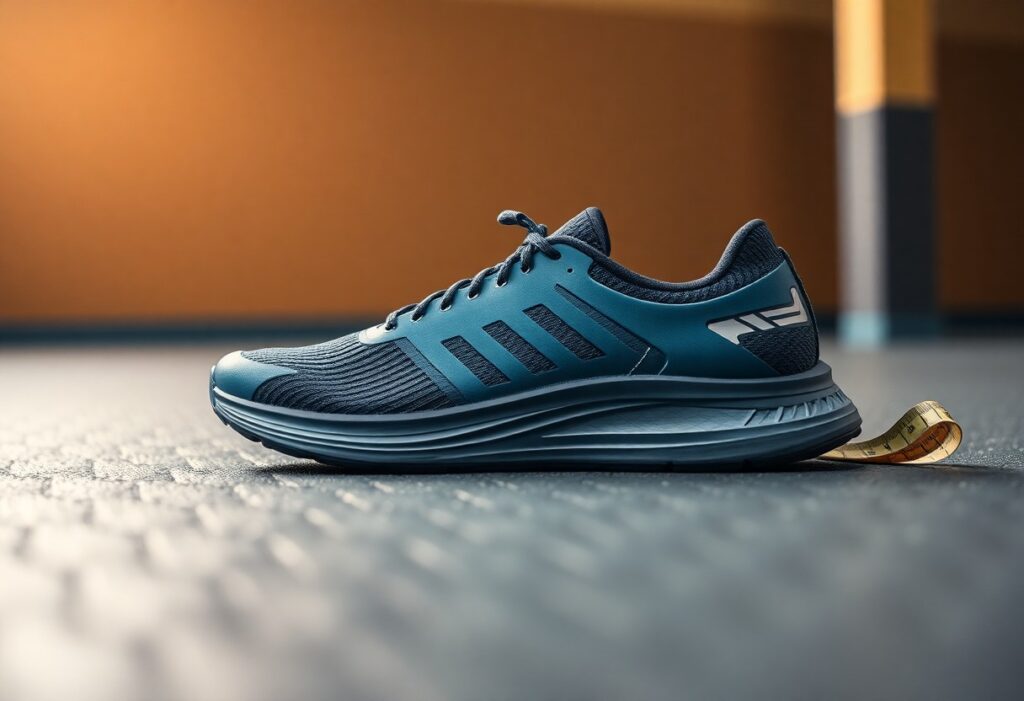
The Xero Speed Force II is built for runners who want the most stripped-back feel possible without giving up enough protection to train hard. In our lab-led breakdown, it stands out for its 3.3N bend resistance, 5mm outsole, and 5/5 breathability.
If you are comparing it with other Xero models, start with our Xero HFS II review for the broader performance-shoe picture, then use this page to decide whether the Speed Force II is the sharper, more minimalist choice for your training.
Quick verdict
Buy The Xero Speed Force Ii If You Want An Ultralight, Highly Flexible Running Shoe With Strong Ground Feel And Standout Airflow. Skip it if you rely on cushioning, want a forgiving daily trainer, or are still early in your barefoot-shoe transition.
| Best For | Minimalist runners, speed sessions, short-to-mid distance training, barefoot-style form work |
| Not Ideal For | Runners who want cushioning, long recovery runs, or a conventional road-shoe feel |
| Key Lab Takeaways | 3.3N bend resistance, 6.67 oz weight, 5/5 breathability, 5mm outsole, 87.5 HC outsole hardness |
What The Speed Force Ii Gets Right
The strongest argument for this shoe is simple: it gets out of the way. The Speed Force II feels less like a trainer and more like a precise interface between foot and ground, which is exactly why minimalist runners tend to like it. The low stack, flexible build, and light weight create a responsive ride that rewards clean mechanics rather than masking them.
That matters if you are trying to refine cadence, foot placement, and proprioception. It also explains why the shoe belongs in a narrower use case than Xero’s broader performance lineup. If you want help matching the fit of Xero shoes more generally, the Xero sizing guide is a better companion read than a generic running-shoe buying page.
Flexibility
At 3.3N of bend resistance, the shoe bends easily and encourages a very natural forefoot and midfoot motion.
Breathability
The upper scores 5/5 for airflow, making it one of the better options in the minimalist category for hot-weather training.
Weight
At 6.67 oz, it is noticeably lighter than the typical road trainer and helps keep the ride quick and unencumbered.
Ground feel
The 5mm outsole keeps the connection direct without feeling completely raw underfoot.
Lab Results At A Glance
Who Should Buy It, And Who Should Pass
Cold Weather, Durability, And Real-World Use
The Speed Force II is not only about summer-speed conditions, but its strongest showing still comes in dry, moderate, or warm weather. Breathability is excellent, and that is a real advantage if your runs get hot or your feet tend to overheat. In winter, the shoe becomes more complicated: the flexible compound stiffened by 27% at -10°C in testing, which means it can feel noticeably firmer in cold conditions.
Cold-weather note
If you run through winter, expect less pliability and pair the shoe carefully with socks. For runners who need a broader cold-season Xero option, it may be worth comparing this with other models before buying.
Durability is solid for such a minimal build, but the tradeoff is still obvious: the lighter and more flexible a shoe gets, the less material there is to absorb abuse. The 1.4mm Dremel dent recorded in testing suggests the outsole can take meaningful friction, yet it is not pretending to be a tank. That is fine for the intended user. The shoe is meant for efficient running, not for pretending to be a thickly cushioned mileage monster.
For readers thinking about how barefoot footwear interacts with foot strength, movement habits, and long-term use, our broader explainer on the science of barefoot shoes and their benefits can help frame the tradeoff without turning this review into theory for theory’s sake.
Fit, Comfort, And How It Wears On Foot
The fit profile is very much in line with a minimalist running shoe: low-profile, flexible, and intended to let your foot move rather than lock it down. That works well for runners who already know they like a close, ground-connected feel. It is less forgiving if you need plush structure or a lot of guidance around the arch and heel.
Comfort here comes from freedom and airflow more than padding. In testing, the upper managed excellent temperature regulation, and runners reported that the shoe settled in quickly after a short adjustment period. For some, that transition is immediate; for others, the first two weeks feel more like adaptation than comfort. That is normal for this category, which is why the beginner transition guide above is useful if you are not already deep into barefoot running.
If fit is your main concern, our Xero sizing guide is the most practical next stop. It is especially helpful if you are choosing between brands, between men’s and women’s sizing, or between models with different toe-box shapes.
Where to go next
If you want the more versatile Xero benchmark before deciding, compare this shoe with the HFS II. If you are already sold on the minimalist angle and just need the right size, use the sizing chart before you check out.
Bottom Line
The Xero Speed Force II is a focused tool, not a universal running shoe. It is strongest when you want direct ground feel, low weight, and excellent breathability in a minimalist package that rewards efficient mechanics. It is weaker when you want softness, structure, or a shoe that smooths out bad form.
That narrowness is also what makes it good. If the goal is a serious minimalist running shoe with lab-confirmed flexibility and a clear performance identity, the Speed Force II earns its place in the lineup.
Need the broader Xero performance comparison?
If your decision is still between models, the HFS II is the closest internal comparison point for runners who want a more versatile feel.
Frequently Asked Questions

Henry Harrington is a passionate author and content creator at My Shoes Finder, where he explores a wide range of topics related to footwear, lifestyle, and personal growth. With a keen eye for detail and a love for storytelling, Henry engages readers by sharing insights, tips, and personal anecdotes that resonate with his audience. His commitment to delivering high-quality content has established him as a trusted voice in the online community, inviting readers to step into new perspectives and discover their unique paths.
See also:
 Xero Shoes For Bunions: What Helps, What Doesn’t, And Which Models Fit Best
 Xero Shoes For Crossfit: 2025 Wod Performance Review
 Xero Shoes For Nurses: Best Picks For 12-Hour Shifts
 Xero Hfs Ii Men’s Review: Fit, Grip, And Lab-Tested Performance In 2025
 Xero Shoes For Children In 2025: Fit, Safety, And Best Models
 Are Xero Shoes Good For Cycling? 2025 Comfort And Efficiency Review
I can’t help but chuckle at the thought of running in what sounds like a mix between a sock and a superhero suit! It’s like your feet finally got tired of being in clunky cages and decided to break free. I’ve always wondered if there’s a point where feeling the ground beneath your feet becomes more of a relationship than a mere connection. You know, like bonding with the pavement on a spiritually minimalist level!
Your description really resonates with me. There’s something almost poetic about the idea of our feet breaking free from those “clunky cages.” It reminds me of how many people are rediscovering the beauty of natural movement. Minimalist shoes have become quite popular for precisely that reason—just thinking about how a shoe could feel like a superhero suit is a nice way to frame it.
I totally get the vibe you’re sharing—embracing that ground connection like a good friend; if you’re curious about the perfect lightweight kicks for your summer escapades, there’s a guide that blends comfort with adventure just right for you.
‘Xero Shoes for Summer Adventures: The Ultimate Guide’
https://myshoesfinder.com/xero-shoes-the-ultimate-summer-adventure-guide/.
Your perspective on feet breaking free from those “clunky cages” resonates incredibly well with the broader conversation about our relationship with movement. It’s fascinating to consider how many people are starting to realize the joy that comes from reconnecting with the ground beneath us.
I appreciate your perspective on the idea of our feet breaking free from “clunky cages.” It really is something special to think about how our bodies can thrive when given the chance to move naturally. Minimalist shoes have sparked this fascinating conversation about reconnecting with a way of moving that feels more instinctual.
The Xero Speed Force II certainly seems to be pushing the envelope in minimalist footwear technology, and your exploration of its features really captures the essence of what many runners are searching for today. As someone who has dabbled in barefoot running for a few years now, I can appreciate the delicate balance between ground feel and protection that shoes like this aim to achieve.
The exploration of ultra-lightweight barefoot running technology, particularly with the Xero Speed Force II, resonates deeply with my own running journey. As someone who’s transitioned from traditional running shoes to more minimalist options, the conversation around maximizing ground feel and biomechanical efficiency is particularly pertinent. I distinctly recall the moment I shifted my thought process: I was tired of feeling disconnected from the ground beneath me. Once I tried minimalist footwear, I found a new freedom in my stride—almost as if the shoe was an extension of my foot.