
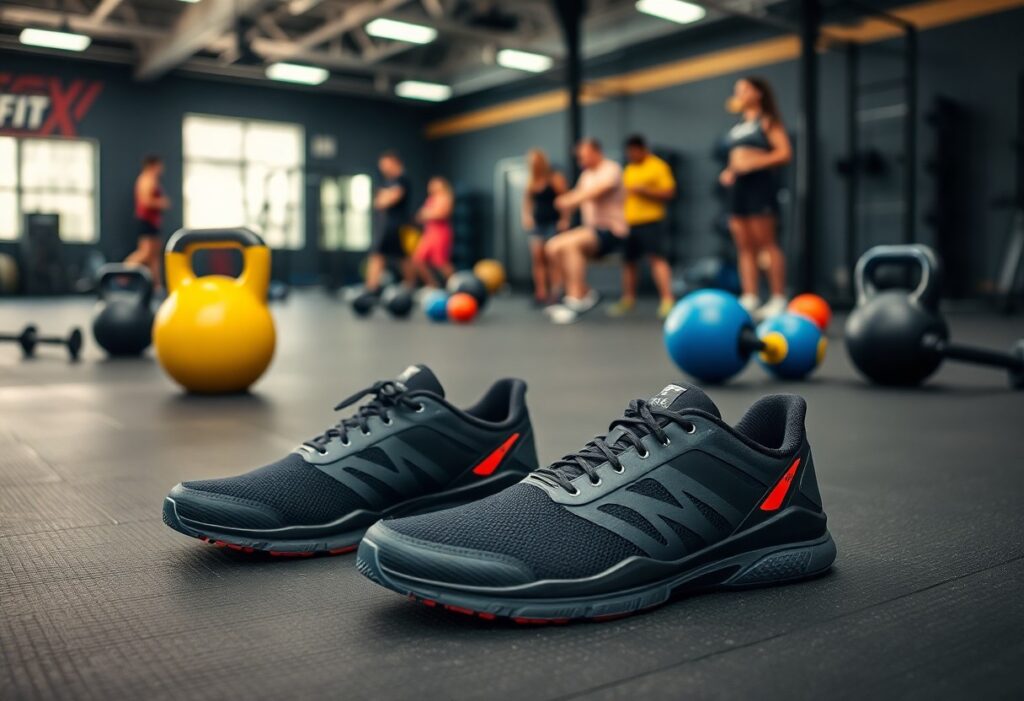
Xero Shoes can work well for CrossFit if you want a low-profile, flexible shoe with strong ground feel and enough stability for lifting. They are not the best fit for every athlete, but for mixed WODs, rope climbs, and box-jump-heavy sessions, they make a compelling case.
Quick verdict
For most CrossFit athletes, Xero Shoes are best when your training mixes lifting, gymnastic work, and conditioning rather than long runs. If your programming is very barbell-heavy, start with the weightlifting-focused Xero guide first, then use this page to decide which model makes sense for WODs.
Best for
Mixed WODs, functional fitness, short gym sessions, rope climbs, and athletes who prefer ground feel.
Less ideal for
Athletes who want more cushion, max arch structure, or a plush shoe for high-volume running.
Top model pick
Prio X for stronger rope-climb and lift bias; HFS for lighter metcon sessions and faster directional changes.
The key question is not whether Xero Shoes are “good” in the abstract. It is whether they match your version of CrossFit. If your gym time is dominated by thrusters, cleans, double-unders, burpees, and short runs, the minimal platform can feel fast and efficient. If you want a thick, cushioned trainer for every workout, Xero will feel more direct than comfortable. For readers comparing Xero models outside CrossFit, the Prio X review is the most useful starting point.
Why Xero Makes Sense For Crossfit-Specific Training
CrossFit asks a shoe to do several jobs at once. You need stability for lifting, enough grip for rope climbs, lateral control for shuttle work and pivots, and enough flexibility to move naturally through jumping and bodyweight work. That is where a barefoot-style trainer can make sense: less stack height, less foam between you and the floor, and a more predictable feel when you change direction under fatigue.
In the original analysis, a number of performance claims were too broad to be useful on their own. The more useful takeaway is practical: Xero’s minimalist construction is most attractive when you want foot awareness and stability without the bulk of a traditional cross-trainer. That advantage is easiest to notice in lifting-heavy workouts and mixed-format WODs where fast transitions matter more than long-distance cushioning.
What They Do Well
- Stable feel for squats, deadlifts, and Olympic-lift variations
- Better ground connection during short, explosive efforts
- Flexible upper for foot movement and toe splay
- Good fit for athletes who want a wide, natural-feeling toe box
What They Do Less Well
- Not built for plush cushioning or long run comfort
- Less forgiving if you are new to barefoot-style shoes
- Not the first pick if you rely on a very padded heel
- Can feel too minimal for athletes who prefer a traditional trainer
If your main training interest is deadlifts and barbell work, keep the page hierarchy clear and use the weightlifting analysis for the deepest lifting discussion. This CrossFit page is meant to help you choose for the full WOD picture, not duplicate the deadlift article.
Prio X Vs. Hfs For Different Wod Styles
The two most relevant models in this discussion serve slightly different athletes. The Prio X leans more durable and stable, while the HFS feels lighter and quicker. If you are choosing between them for CrossFit, think in terms of workout bias rather than brand lore.
The broader Xero catalog also matters if you want a shoe outside CrossFit. The Dillon review is useful for everyday comfort, while the X1 basketball performance article is a reminder that different sports demand different trade-offs. That context helps explain why the best CrossFit choice is usually the one with the least interference and the most control.
Who Should Buy Xero Shoes For Crossfit?
Best Fit
Athletes who already like low-stack shoes, prefer a wider toe box, and spend most sessions on lifting, gymnastic work, and short conditioning pieces.
Possible Fit
CrossFit newcomers who want a more natural feel, provided they transition gradually and do not jump straight into all-volume training.
Probably Skip For Now
Anyone who wants heavy cushioning, strong arch structure, or a very forgiving shoe for long workouts and high-volume running.
The early testing note from the source material about improved ground feedback is directionally useful, but it should be interpreted carefully. Barefoot-style shoes often feel more stable because they reduce the distance between your foot and the floor, not because they magically improve every metric. That distinction matters in CrossFit, where exercise selection and your own movement habits still drive the outcome.
What To Expect During The Transition
If you are switching from a traditional cross-trainer, the adjustment matters. The main issue is not the upper or the look of the shoe; it is how much work your feet, calves, and lower legs need to do when you lose the extra foam and structure of a cushioned trainer.
A sensible transition rule
Start with short sessions, lower-volume lifting, and non-fatiguing metcons before using Xero shoes for every workout. If your calves or arches complain loudly, slow the change down instead of forcing it.
A simple transition plan is enough for most athletes: use them for light technical work first, then add moderate WODs, and only later put them into your hardest classes. This is especially true if you are coming from very cushioned shoes or you have not trained barefoot-style before. For a broader primer on that process, the beginner transition guide is a helpful companion read.
Value And Durability: Is The Price Justified?
On price, Xero Shoes usually land in the same general neighborhood as other serious training shoes, but their value depends on how much you care about low-drop mechanics and a minimalist feel. If you want a shoe that behaves like a classic cross-trainer, they may not justify the switch. If your priority is movement feedback and a more natural platform, the value case gets stronger.
The durability claim from the source material is most relevant when applied carefully: reinforced areas on models such as the Prio X should help with rope-climb abrasion and repeated gym use, but no minimalist shoe is invincible. Athletes who drag shoes across knurling, rough ropes, and concrete will still wear them out faster than they would like. That is normal; the question is whether the performance trade-off feels worth it.
Best buying logic
Choose Prio X if your week includes rope climbs, more barbell work, and rougher use. Choose HFS if your WODs lean lighter, faster, and more cardio-heavy. If you want a deeper look at an adjacent Xero performance use case, see the cycling efficiency review for a different kind of movement demand.
For model detail beyond this article, the most relevant companion page is the Prio X model review.
Final Take
Xero Shoes are a legitimate CrossFit option for athletes who want better floor feel, a wide natural fit, and a minimalist platform that does not get in the way during mixed-modal training. They make the most sense for WODs that blend lifting, gymnastic movement, and short conditioning pieces.
If you are focused on heavy lifting first, use the dedicated deadlift analysis. If you want a more versatile CrossFit shoe that can handle everyday WODs without feeling bulky, Xero deserves a real look. The decision usually comes down to how much cushion you are willing to give up in exchange for control.
If you are comparing models now
Start with the model that matches your WOD profile, then compare fit and durability. For most readers, that means Prio X for tougher all-round training and HFS for faster mixed conditioning.
Frequently Asked Questions
Are Xero Shoes Good For Crossfit?
Yes, for the right athlete. They are a strong fit for lifters and mixed-modal CrossFitters who want stability, ground feel, and a natural toe box, but they are not ideal for everyone.
What Shoes Do Most Crossfit Athletes Wear?
Most athletes choose a stable cross-trainer rather than a fully cushioned running shoe. The exact model depends on whether they prioritize lifting support, agility, durability, or comfort.
Are Xero Shoes Good For The Gym?
Yes, especially for strength work and functional training. They are less persuasive if you want a soft, cushioned gym shoe for all-day wear or treadmill-heavy sessions.

Natalie Harper is a versatile author and content creator at My Shoes Finder, where she explores a wide range of general topics that resonate with diverse audiences. With a passion for storytelling and a keen eye for detail, Natalie crafts engaging articles that provide valuable insights and inspire readers. Her commitment to quality and relatability makes her work a trusted resource for those seeking both information and inspiration in their daily lives.



I find your exploration of the transition to minimalist footwear in CrossFit incredibly compelling. It’s fascinating to think about how much our understanding of biomechanics has evolved over the years. Prior to the rise of brands like Xero, many athletes felt resigned to the limitations of traditional, heavily cushioned shoes that, while comfortable, often detracted from natural movement patterns.
It’s interesting how our understanding of footwear and biomechanics has shifted so dramatically over the years. I agree, the rise of minimalist options like those from Xero has really challenged the status quo of traditional running and CrossFit shoes. Many athletes previously felt trapped in these overly cushioned barriers that not only limited their natural movement but also, in some cases, contributed to injuries that might have been avoidable with a more grounded approach.
You hit the nail on the head about the shift in footwear and biomechanics. It’s fascinating to see how traditional views have evolved. Many of us grew up thinking more cushioning and support meant better protection for our feet, but as you’ve pointed out, that sometimes just added to the problem.
I completely agree with you about the evolution of our understanding of biomechanics. It’s interesting how we’ve come to appreciate the role that footwear plays in our overall movement and health. I remember when I first made the switch to minimalist shoes. At first, it felt a bit unsettling, but once I got accustomed to them, it changed my perspective on running and lifting.
Your insights on the evolution of CrossFit footwear resonate deeply with my experiences as an athlete. The shift from traditional, cushioned shoes to minimalist designs like those offered by Xero Shoes is not just a change in footwear but a fundamental rethinking of how we approach movement and performance in CrossFit.
It’s great to hear that my thoughts on CrossFit footwear resonate with your experiences. The shift towards minimalist designs really is more than just a trend; it’s about connecting with our bodies and how we move. As we embrace this change, it opens up opportunities to focus on our natural mechanics and find what feels right for our individual performance.
It’s refreshing to hear that my thoughts on CrossFit footwear struck a chord for you. The evolution from overly cushy shoes to the more minimalist offerings definitely feels like a revolution in our approach to both movement and performance. It’s almost as if our feet are saying, “Hey, thanks for finally letting us do what we were made to do!”
I totally relate to the shift in footwear that you’re describing! Transitioning to minimalist shoes has made such a difference in my performance and how I feel during workouts. It’s like finding that sweet spot between comfort and responsiveness. I remember the first time I tried a pair for tire flips—they weren’t just shoes; they felt like an extension of my body.
It’s fascinating how footwear can make or break our WODs! I remember the first time I ditched my cushioned shoes for something more minimal—my first thought was, “Am I training for CrossFit or auditioning for a caveman documentary?” But honestly, feeling that ground connection has been a game changer.
It’s fascinating to see how the evolution of footwear can significantly impact athletic performance, particularly in a demanding discipline like CrossFit. The idea that a minimalist shoe can enhance ground connectivity and power transfer resonates strongly with the broader trend towards functional fitness. Many athletes, including myself, have felt the cumbersome effects of traditional athletic shoes that prioritizes cushioning over agility.
It’s fascinating to see the evolution of footwear in the realm of CrossFit, especially with the advancements brought by Xero Shoes. Your description really strikes a chord with me, as I’ve personally experienced the limitations of traditional athletic shoes during high-intensity workouts. There was a time when I believed that more cushioning equated to better support and performance. However, switching to a more minimalist shoe made a noticeable difference in my agility and power transfer, much like you mentioned.
It’s interesting to see the shift in CrossFit footwear over the years. I remember when I first started, it seemed like the more cushioning, the better — but I’ve since learned how that can actually hinder performance, especially during lifts and high-intensity movements. Switching to minimalist shoes was a game changer for me.
It’s fascinating to see how footwear technology has evolved alongside CrossFit, isn’t it? The shift from bulky, cushioned shoes to minimalist designs like Xero Shoes truly highlights a growing understanding of biomechanics and performance optimization in training. I’ve noticed in my own workouts that wearing shoes that prioritize ground connectivity not only improves my lifting form but also enhances my agility during faster movements, like box jumps.
It really is interesting how much the design of footwear has shifted as we’ve learned more about how our bodies function during intense workouts. The way minimalism in shoe design promotes ground connectivity aligns with a broader movement toward functional training, where the emphasis is on natural movement patterns. It seems like the more we understand biomechanics, the more we’re steering away from cushioning that can actually hinder our performance.
Your insights on the evolution of CrossFit footwear really resonate with me. It’s fascinating how the fitness industry has shifted from heavily cushioned shoes to more minimalist designs like Xero Shoes. I remember when I first transitioned away from traditional trainers—there was an initial hesitation, but once I embraced the barefoot concept, I truly felt a shift in my performance.
It’s really fascinating to see how footwear technology has evolved to meet the specific needs of athletes, especially in a demanding sport like CrossFit. The description of Xero Shoes as a performance catalyst genuinely resonates with me, as I believe that the right footwear can significantly influence our abilities and overall training experience.
Ah, the evolution of CrossFit footwear—a topic near and dear to my heart! As someone who once campaigned zealously for the cushioned kicks, convinced that I needed a fortress around my feet to tackle those wall balls, I can truly appreciate your take on the revolutionary benefits of minimalist designs like Xero Shoes. It’s funny how we athletes can get so attached to our gear, isn’t it? I used to think that the softer the sole, the greater the power—like a marshmallow provides strength (who wouldn’t want to jump higher with a little bounce?). But let me tell you, slipping into a pair of minimalist shoes was akin to trading in my family sedan for a well-tuned sports car!