
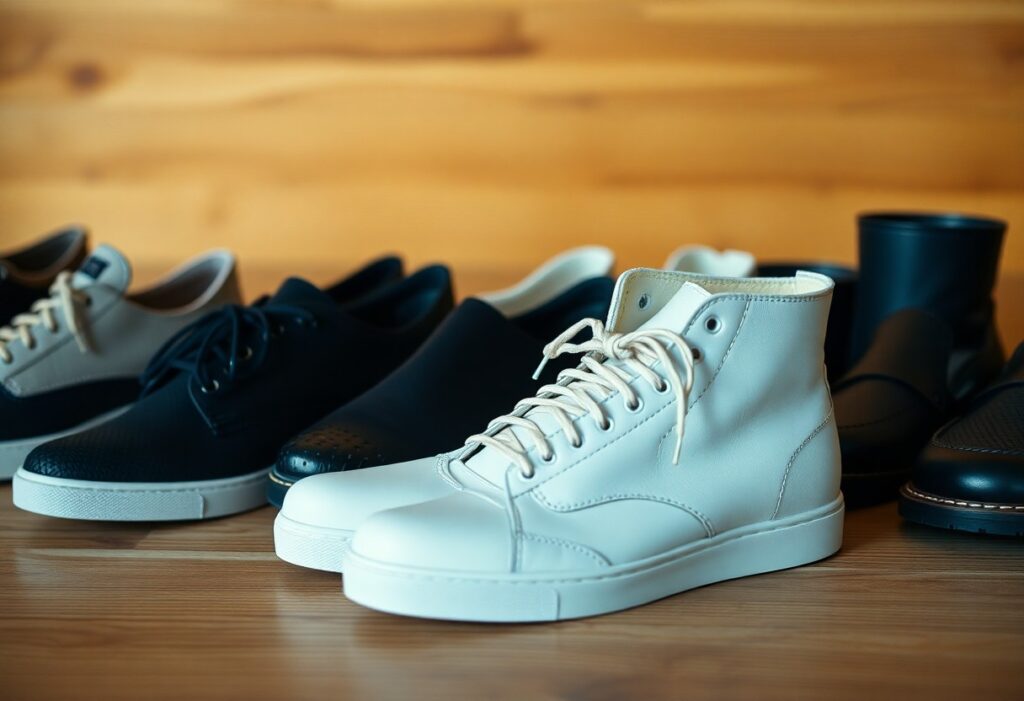
Choosing minimalist shoes gets easier once you separate marketing language from the features that actually affect fit and comfort. If you want a clearer shopping path, start with the broader buyer’s guide for this cluster and use this page to narrow the shortlist.
Quick Decision the best minimalist shoe is usually the one that matches your foot width, has a foot-shaped toe box, feels stable without arch crutches, and stays flexible enough for your activity.
- New To Minimalist Shoes? Choose a forgiving, everyday model first and transition slowly.
- Need A Gym Or Running Pair? Prioritize zero-drop, grip, and ground feel.
- Wide Feet Or Bunions? Put toe box shape and width ahead of cushioning.
- Unsure About Size? Check this sizing guide for Xero Shoes fit before you buy.
What Matters Most When Buying Minimalist Shoes
Minimalist shoes are not all the same, even when they look similar in photos. Some are better for short walks and errands, while others make more sense for running, hiking, lifting, or all-day wear. The right choice depends on how much protection you need, how much ground feel you want, and how quickly your feet are ready to adapt.
Choose The Shoe Type By Use Case
Minimalist running shoes, casual shoes, and sandals solve different problems. Running shoes usually need more secure hold and surface grip, casual shoes should disappear in daily wear, and sandals should stay simple while still feeling stable. If you are comparing open footwear, this minimalist sandals guide is the more relevant next stop.
How To Judge A Minimalist Shoe Before You Buy
The best minimalist shoes usually share a few practical traits, but the balance between them changes by activity. A good walking pair may feel different from a good lifting pair. A trail shoe may protect more than a road shoe. Once you know what kind of movement you need, the shopping process becomes much simpler.
1. Toe Box Width And Shape
A foot-shaped toe box matters because toes need room to splay when you load and push off. If the front of the shoe tapers aggressively, the shoe may feel restrictive even when the rest of the fit seems fine. That matters most for people with wide feet, bunions, or anyone who dislikes pressure across the forefoot.
2. Zero-Drop And Underfoot Feel
Zero-drop shoes keep the heel and forefoot level, which many buyers want because it encourages a more natural stance. That does not automatically make them the best choice for every person, but it is one of the defining details to check. If you are only starting out, it is usually smarter to choose a stable, zero-drop shoe that still offers enough protection for the surface you walk on every day.
3. Flexibility Without Collapse
Flexibility is important, but too much softness can make a shoe feel vague or unstable. You want a sole that bends where your foot bends, not a marshmallow-like shoe that twists out of shape. This is especially important if you plan to use the shoe for exercise, brisk walking, or standing for long periods.
4. Terrain And Protection Level
More ground feel is not always better. A thin shoe can work beautifully on smooth pavement or controlled indoor training, but rough trails, broken sidewalks, and long days on your feet may call for a little more sole thickness. The right level of protection is the one that lets you move naturally without making every step feel harsh.
5. Transition Speed
A minimalist shoe is only a good buy if your feet can adapt to it comfortably. If you are moving from heavily cushioned shoes, start with shorter wear periods and build up gradually. For a step-by-step transition approach, these essential transition tips will help you avoid the common mistake of doing too much too soon.
Common Mistakes That Make A Good Shoe Feel Bad
A lot of people blame minimalist shoes for discomfort when the real issue is fit, pacing, or expectations. The most common mistakes are easy to avoid once you know what to watch for.
- Choosing By Brand Reputation Alone. A popular label does not guarantee a good fit for your foot shape.
- Ignoring Toe Box Width. Narrow shoes can feel fine for five minutes and terrible after a full day.
- Going Too Thin Too Fast. If your body is used to cushioning, transition slowly.
- Assuming All Minimalist Shoes Are The Same. Running, hiking, lifting, and casual wear call for different priorities.
- Confusing Arch Support With Support Overall. A shoe can be minimal and still secure, but it should not crowd the foot or force it into an unnatural shape.
If you are choosing a shoe for everyday wear, you may also want to compare it with related barefoot options before deciding. The best barefoot shoes for beginners page is a useful next step when you want beginner-friendly models rather than a general principles article.
A Simple Buying Path For Different Shoppers
- If You Want A First Pair For Everyday Use choose a comfortable zero-drop shoe with a roomy toe box and moderate sole thickness.
- If You Want A Training Pair prioritize ground feel, secure fit, and enough grip for your surface.
- If You Want Sandals make sure the straps hold the foot without creating pressure points.
- If You Have Been In Traditional Shoes For Years reduce wear time at first and build foot tolerance before using them all day.
- If Sizing Is Your Biggest Concern compare length and width carefully and use a fit-specific guide before checkout.
For readers who are making a more exact purchase decision, the next place to go is a fit-focused article, not a generic style roundup. That is why Xero Shoes fit guidance is worth checking before you add anything to cart, especially if you are torn between two sizes or unsure about toe-room.
Where To Go Next
If your goal is to buy a minimalist shoe that fits your feet and your routine, use this guide as the narrowing stage, then move to a model-specific page once you know what matters most. For a more focused brand and model path, return to the main minimalist shoe buying hub or continue into the beginner and fit pages linked above.
The strongest minimalist shoe purchase is usually not the thinnest, the lightest, or the most heavily promoted one. It is the pair that matches your foot shape, supports your transition pace, and feels stable enough to use consistently.
Frequently Asked Questions
Are Minimalist Shoes Actually Good For Your Feet?
They can be a good choice for many people because they let the foot move more naturally, but the result depends on fit, activity, and how gradually you transition. A good pair should match your foot shape and your tolerance level.
Why Do Podiatrists Not Recommend Barefoot Shoes?
Concerns usually focus on abrupt transitions, pre-existing foot issues, or people choosing shoes that are too thin too quickly. For some wearers, the issue is not barefoot-style footwear itself but the speed of the switch and the lack of gradual adaptation.
What Do Podiatrists Think Of Zero Drop Shoes?
Opinions vary, but zero-drop shoes are often seen as a more natural option when they fit well and are introduced carefully. They are not a one-size-fits-all solution, especially for people who need a slower transition or extra protection.
What Is The Healthiest Shoe For Your Feet?
The healthiest shoe is the one that fits your foot shape, supports your activity, and does not force unnatural positioning. For many minimalist buyers, that means a foot-shaped toe box, low or zero drop, and enough flexibility without sacrificing comfort.

Natalie Harper is a versatile author and content creator at My Shoes Finder, where she explores a wide range of general topics that resonate with diverse audiences. With a passion for storytelling and a keen eye for detail, Natalie crafts engaging articles that provide valuable insights and inspire readers. Her commitment to quality and relatability makes her work a trusted resource for those seeking both information and inspiration in their daily lives.
See also:
 Xero Shoes For Children In 2025: Fit, Safety, And Best Models
 Xero Shoes For Bunions: What Helps, What Doesn’t, And Which Models Fit Best
 Widest Xero Shoes for Wide Feet: Models & Fit Guide
 Xero Shoes For Summer Travel And Hot-Weather Adventures
 Are Xero Shoes Good For Cycling? 2025 Comfort And Efficiency Review
 Shoe Tree Types Explained: How To Choose The Right Pair For Your Shoes
I’ve recently made the switch to minimalist shoes, and it truly has been eye-opening. I initially hesitated to try them because I was used to the cushioning and support from traditional sneakers. But once I started wearing a pair of Xero Shoes on my daily walks, I noticed a real difference in how my feet felt during and after exercise.
It’s interesting to hear about your experience with minimalist shoes. I felt similarly when I made the switch a while back. Initially, I was skeptical too, thinking that I would miss the cushioning of traditional sneakers. Like you, I found that once I adapted to the Xero Shoes, I became more aware of my foot mechanics and gained a greater connection to the ground.
The exploration of minimalist shoes aligns perfectly with the growing trend towards natural movement and foot health. Personally, I’ve found that transitioning to minimalist shoes has not only improved my foot strength but also enhanced my overall posture and balance during activities like running. It’s fascinating how these shoes can encourage a more mindful approach to movement, prompting us to reconnect with our body’s natural mechanics.
I completely resonate with your experience regarding minimalist shoes and the benefits you’ve found in foot strength, posture, and balance. It’s interesting how something that seems so simple, like footwear, can have such a profound impact on our movement and overall health.
I recently came across some lightweight hiking boots that really complement that natural movement philosophy we’ve been discussing—perfect for anyone looking to enhance their foot health on trails.
‘Xero Shoes Lightweight Hiking Boots: Weighing in at Under 14oz’
https://myshoesfinder.com/xero-shoes-lightweight-hiking-boots-under-14oz/.
I completely agree with you about the transformative effects of minimalist footwear. It’s fascinating how our choice of shoes can directly influence not just our foot health but our entire body mechanics. I’ve found that when I switched to a more minimalist style, my awareness of my posture improved significantly. It made me realize how much we adapt to the restrictions of more traditional footwear, which sometimes inadvertently places stress on our bodies.
I recently discovered an insightful piece on barefoot options for women that really dives into how the right footwear can enhance our natural movement—perfect for those interested in foot health and comfort.
‘WOMEN’
https://myshoesfinder.com/barefoot-shoes-women/.
It’s great to hear your experience with minimalist footwear. I’ve noticed similar changes since I made the switch myself. The way our shoes can affect not just foot health but overall body mechanics is often overlooked. It’s interesting how, as you mentioned, we adapt to the constraints of traditional footwear without even realizing it. Once you become more aware of how your body moves, it’s like a whole new world opens up.
It’s really fascinating how our choice of footwear can impact so many aspects of our movement. I’ve also noticed improvements in my own balance and posture since switching to minimalist shoes. It’s like they help you reconnect with your natural gait, which is something many people overlook in their day-to-day lives.
It’s interesting how the shift towards minimalist shoes really opens up discussions about how we interact with our bodies and the ground beneath us. I’ve also experimented with them and experienced similar benefits, particularly with regard to my foot strength and agility. It really makes you think about how much our shoes can alter our natural movements.
I recently came across some great tips on finding the perfect shoe size, which really complements my journey with minimalist shoes and how they’ve helped me embrace a more natural movement.
‘How to know if you’re wearing the right shoe size signs and tips for a perfect fit’
https://myshoesfinder.com/signs-and-tips-for-the-right-shoe-size/.
It’s fascinating how the conversation around minimalist shoes can really highlight our connection to movement and the surfaces we engage with. When we shift to footwear that promotes natural movement, we often discover just how much our shoes can shape our overall experience and biomechanics. It sounds like your journey with minimalist shoes has been pretty rewarding for your foot strength and agility. Those small but significant benefits can change how we approach not just running, but everyday activities too.
It’s cool to hear about your experiences with minimalist shoes. They really do shift our perspective on how we connect with the ground. I’ve noticed that extra foot strength not only makes a difference in running or walking but also in everyday activities. It’s fascinating how switching footwear can reshape our natural movements and make us more aware of our bodies.
I completely relate to your experience with minimalist shoes and the shift towards natural movement. It’s interesting how these shoes serve as a reminder to be more aware of our bodies. I also found that once I made the switch, my running style changed—my stride became lighter, and I noticed an improvement in how I connect with the ground beneath me.
I recently came across some insightful strategies for joint preservation that really dive into how minimalist shoes, like Xero, can support foot health and improve overall movement, which sounds right up your alley.
‘Xero Shoes for Arthritis: 2025 Joint Preservation Strategies’
https://myshoesfinder.com/xero-shoes-2025-arthritis-joint-strategies/.
Your discussion about minimalist shoes really resonates with me. I remember when I first made the switch from traditional running shoes to a more minimalist design. Initially, I felt a bit of apprehension—would my feet feel supported enough? However, my experience has been incredibly enlightening.
It’s interesting to hear about your journey into minimalist shoes. That initial apprehension is something many people share. I think it’s natural to worry whether those lightweight designs can offer proper support, especially when we’ve spent years in cushioned shoes that promise all sorts of benefits.
I can really relate to your experience of switching to minimalist shoes. That initial apprehension is a common feeling, and it’s fascinating how our minds can often prioritize support over the natural movement of our feet. I had a similar journey—when I first tried them, I was surprised by how different my running experience was.
It’s interesting how our minds can create a sense of security around traditional footwear, isn’t it? The transition to minimalist shoes definitely requires a shift in perspective. I remember my first few runs feeling almost surreal, like I was reconnecting with something primal. It’s as if the shoes allowed my feet to actually communicate with the ground rather than just being encased in support.
I completely understand where you’re coming from. That initial apprehension can be a real hurdle, can’t it? It’s interesting how we’re often conditioned to think that more support equals better protection for our feet, when in reality, it might just be limiting our natural movement. I remember my first few runs in minimalist shoes, feeling a mix of excitement and trepidation. It took a bit of time to adjust, but as my feet adapted, I found a whole new level of connection to the ground.
This discussion on minimalist shoes really resonates with me. I made the switch to a more natural footwear style last year, and it’s fascinating how much it has changed not just my running routine, but my overall foot health. I noticed that my arches have become stronger, and my balance has improved significantly. Initially, I was cautious about giving up the extra support, but I’ve found that my feet enjoy the freedom to flex and adapt to different terrains.
It’s great to hear about your experience with switching to minimalist shoes. I’ve also noticed a shift in my own running routine since I switched a while back. At first, it felt a bit strange to let my feet move more freely without the typical cushion, but over time, I found that my body adapted in ways I didn’t expect. My arches definitely felt stronger, too.
It’s great to hear how your switch to more natural footwear has positively impacted both your running and overall foot health. Strengthening arches and improving balance are such key benefits. It’s fascinating how our bodies adapt when we allow them the freedom to move more naturally.
Your insights on minimalist shoes resonate with my own experience as I’ve transitioned to a more barefoot-oriented approach in my footwear choices. Initially, I was skeptical about the lack of arch support; however, I’ve found that the adaptability of my feet has improved significantly. It’s interesting to consider the broader implications of this shift towards minimalism—not just in footwear but also in lifestyle choices.
It’s really fascinating how shifting to minimalist shoes can reflect a broader transformation in our lifestyles. I can relate to your experience; starting out, the lack of arch support felt counterintuitive, but I quickly realized how much more in tune I became with my body. It’s almost like my feet had been waiting for that freedom to move naturally all along.
It’s interesting to see the growing interest in minimalist shoes and their benefits for foot health! When I made the switch a couple of years ago, I was surprised by how quickly my feet adjusted to the new freedom of movement. Initially, I thought it would take longer to adapt, especially since I had been wearing more traditional shoes for so long.
It’s fascinating to hear about your experience with minimalist shoes. The adjustment period can vary so much from person to person, but it sounds like you found that freedom and flexibility surprisingly quickly. It’s incredible how our feet, which play such a crucial role in our overall movement, can thrive when given the right kind of space and support.
I really appreciate how you broke down what to look for in minimalist shoes, as it can definitely feel like navigating through a sea of options. I switched to minimalist shoes a couple of years ago, and it truly transformed my running experience. I initially hesitated because I worried about the lack of cushioning, but I’ve found that it actually improved my posture and foot strength over time.
It’s fascinating to hear about your experience with minimalist shoes. The transition can be quite the journey for many runners. Your concern about cushioning is a common one. Many people equate cushioning with comfort, but those initial fears can turn out to be misplaced when they experience the benefits of a more natural running style. Improved posture and stronger feet are often overlooked advantages that come with this shift.
It’s really cool to hear how switching to minimalist shoes changed your running game. It seems like many people have that initial hesitation about cushioning, but your experience highlights a pretty important point: sometimes less really is more when it comes to footwear.
Your exploration of minimalist shoes truly touches on an experience I have come to deeply appreciate. Transitioning to minimalist footwear has been one of the most empowering decisions I’ve made for my overall foot health and movement capabilities. It’s fascinating how our footwear choices can shape not just our comfort, but our biomechanics and even mindfulness when it comes to how we move through the world.
It’s really great to hear how transitioning to minimalist footwear has made such a positive impact on your life. It’s interesting to think about how something as simple as our shoe choice can influence not only our foot health but also our entire way of moving through the world.
It’s really fascinating how deeply our footwear can impact not just our foot health but our entire way of moving through the world, isn’t it? I’ve noticed that since transitioning to minimalist shoes, I’ve become more aware of my posture and gait. It’s almost like shedding layers; without the bulk of traditional shoes, I feel more in tune with my body and surroundings.
Your insights on minimalist shoes resonate deeply with my own experiences as I transitioned from traditional footwear to a more minimalist approach. Initially, I was apprehensive about making the switch, particularly regarding the perceived lack of support. However, after giving brands like Xero Shoes a try, I began to appreciate the emphasis on natural foot movement that they promote.
It’s interesting how a switch in footwear can influence our entire experience of movement. I remember my own journey from traditional shoes to minimalist options was filled with a mix of curiosity and skepticism, much like yours. The first few runs felt strange—my feet working in ways they weren’t used to, and I couldn’t shake that feeling of vulnerability without the usual cushioning.
It’s fascinating how footwear can create such a distinct shift in our experience of movement. Your journey from traditional to minimalist shoes resonates with me. I remember feeling that same mix of curiosity and skepticism, especially when I first transitioned. The sensation of the ground beneath your feet is so different, almost like reconnecting with a primal instinct, but it also exposes you in a way that can be a bit disconcerting at first.
You hit the nail on the head with that mix of curiosity and skepticism. It’s like walking into a surprise party where you’re not quite sure if it’s a party or a trap. I remember my early days too—my first run in those minimalist shoes felt like a toddler learning to walk; I half expected someone to catch me when I inevitably stumbled.