
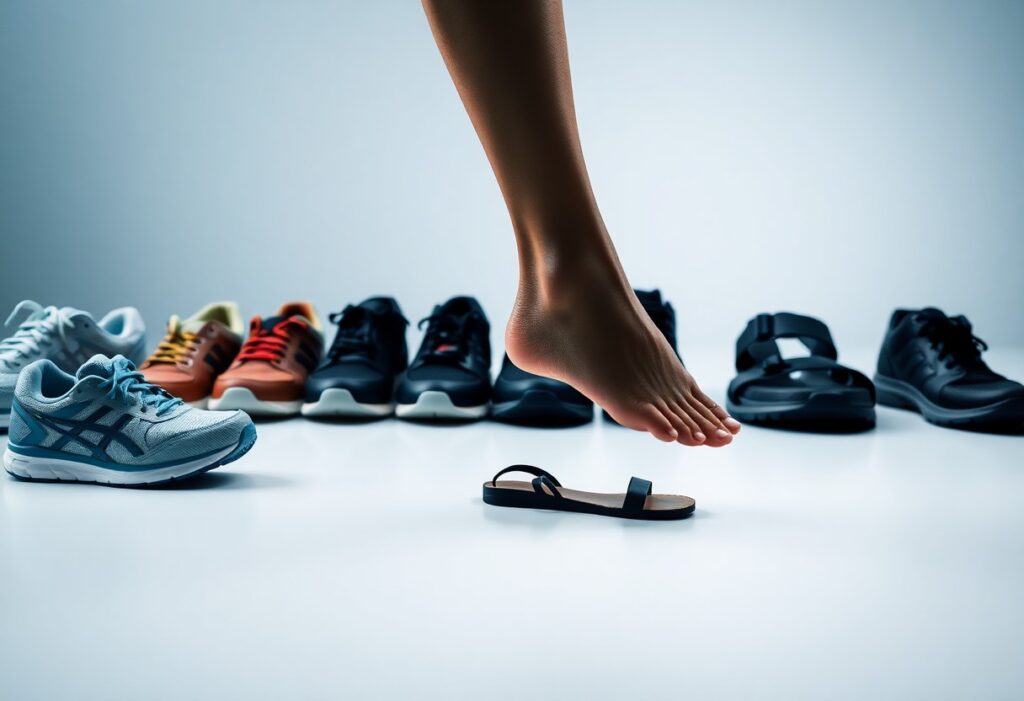
Shoes can support healthy movement or quietly work against it. The biggest difference usually comes down to fit and structure: toe room, flexibility, cushioning, heel height, and how much the shoe lets your foot move on its own.
If you want the broader minimalist perspective after this overview, see choosing the best minimalist shoes for a practical next step.
Quick take
A shoe is more foot-friendly when it lets your toes spread, your arch and muscles work, and your foot bend naturally. A shoe is more likely to cause problems when it narrows the forefoot, limits motion, or pushes your foot into a fixed position for long periods.
- Better For Foot Function wide toe box, flexible sole, low heel drop, light structure
- More Likely To Interfere tight toe box, stiff sole, heavy cushioning, rigid arch support, elevated heel
- Best Use Case For Minimalist Shoes when you want maximum ground feel and a shoe that gets out of the way
What To Look For In A Shoe
Dr. Alissa Kuizinas’ point is simple: shoes should protect your feet without immobilizing them. That matters because the foot contains many small joints, muscles, tendons, and nerves that work best when they can move and load naturally. When a shoe clamps down on the toes, raises the heel, or stiffens the sole, it can change how force travels through the foot and up the chain.
| Feature | What helps foot health | What can hurt foot health | Why it matters |
|---|---|---|---|
| Toe Box | Wide enough for toes to spread | Narrow, tapered, or squeezed front | Crowding can encourage toe jamming and reduce balance |
| Sole Flexibility | Flexible enough to bend with your foot | Stiff or overly rigid platform | Too much stiffness can reduce natural joint motion |
| Cushioning | Enough for comfort, not so much that you lose feedback | Thick, overly soft midsoles that hide ground feel | Excess cushioning can reduce sensory input and alter mechanics |
| Heel Drop | Low or zero-drop for a more level stance | High heel-to-toe drop | An elevated heel can shift load and shorten the back of the foot |
| Support | Support that does not replace foot function | Rigid structures that do the foot’s work for it | Over-support can contribute to weaker, less adaptable feet |
Why Traditional Shoes Can Become A Problem
Traditional shoes are not automatically bad, but many of them are built around control rather than function. Narrow forefoot shapes can compress the toes. Thick midsoles can dampen sensory feedback. Stiff soles can reduce how much the foot bends when you walk. Over time, that can make the foot depend on the shoe instead of doing its own job.
That is the core reason minimalist and barefoot-style shoes keep coming up in foot-health conversations. They are not magic, but they are designed to remove barriers: more room in the front, less structure, and a flatter base. If you want to see how that philosophy is applied in everyday footwear, the guide to barefoot shoes for walking is a useful companion read.
The important distinction is this: a shoe can feel comfortable in the moment and still reduce the work your foot does over time. Comfort and foot function overlap, but they are not always the same thing.
Where Functional Shoes Fit In
Functional shoes try to protect the foot while preserving movement. In practice, that usually means a shape that follows your foot instead of forcing it into a narrow mold. The goal is not to remove all protection; it is to avoid unnecessary interference.
Core Traits Of A Functional Shoe
- Wide Toe Box leaves room for natural toe splay and helps avoid crowding.
- Flat, Flexible Sole allows the foot to bend and adapt to the ground.
- Minimal But Thoughtful Cushioning enough comfort without masking every step.
- Low Heel Drop keeps the foot closer to its natural alignment.
What Functional Shoes Can Improve
When a shoe lets the foot move well, it can support stronger foot muscles, better balance, and more confident gait mechanics. That does not mean every person needs the same shoe. It does mean that a shoe should not solve one problem by creating another, such as pressure at the toes, loss of stability, or stiffness through the arch and forefoot.
For readers who already know they want a brand-specific comparison, Xero Shoes and their benefits gives a narrower look at one popular minimalist option.
When Minimalist Shoes Make Sense
Minimalist shoes are often a strong fit if you want a flatter base, more room in the forefoot, and less interference from the shoe itself. They can be especially appealing if you are trying to build foot awareness or simplify your footwear.
When A More Structured Shoe May Still Be Appropriate
If you are recovering from a foot issue, need protection for a demanding environment, or have not worn flexible footwear before, a gentler transition may be wiser than jumping straight into the most minimal option.
How To Transition Without Overdoing It
The biggest mistake people make with more natural footwear is moving too quickly. Foot muscles, tendons, and calves often need time to adapt if they have been supported by stiff, cushioned shoes for years. A gradual approach reduces the chance of soreness turning into a setback.
- Start with short wear periods before using minimalist shoes all day.
- Use them for walking first, then longer outings if they feel stable.
- Pay attention to hot spots, toe pressure, or calf strain.
- Back off if pain builds instead of settling.
- Choose the right size; a healthy shoe shape cannot fix a poor fit.
If the transition topic is your next step, the most relevant follow-up is transitioning to barefoot shoes after 50. For a broader entry point, barefoot shoes transition tips covers the same idea for beginners in general.
Where To Go Next
If your main question is whether shoes are helping or hurting your feet, this article gives you the general framework. If you are ready to compare specific styles, narrow the choice by use case rather than chasing the softest or most padded option.
A practical next step is finding affordable quality shoes that still respect foot function if you want a wider selection without drifting back into overly restrictive designs.
Frequently Asked Questions
Are barefoot shoes better for everyone?
Not automatically. They can be a strong option for people who want more natural movement and less interference, but some feet need a slower transition or a more structured shoe at first.
What shoe feature matters most for foot health?
Fit matters first, but a wide toe box is one of the most important design features because it lets the toes spread and helps reduce crowding at the front of the shoe.
Can cushioned shoes still be healthy?
Yes, if they fit well and do not overly restrict movement. Cushioning becomes more of a concern when it replaces stability, masks poor fit, or makes the shoe so soft that natural feedback disappears.
How do I know if a shoe is too restrictive?
Signs include toe crowding, rubbing, a cramped forefoot, a feeling that your foot cannot bend, or discomfort that appears only after a short amount of wear.
For readers comparing styles across the broader barefoot category, the most useful next read is still the minimalist shoe buying guide, because it turns this general foot-health framework into a concrete purchase decision.

Jessica Linford is an insightful author for My Shoes Finder, where she explores a wide array of general topics that resonate with everyday readers. With a passion for storytelling and a keen eye for detail, she brings a unique perspective to her writing, aiming to inform and inspire through her engaging content. Jessica’s diverse interests drive her curiosity, allowing her to connect with audiences on various subjects while sharing practical tips and relatable anecdotes.
See also:
 Xero Shoes For Children In 2025: Fit, Safety, And Best Models
 Xero Shoes For Bunions: What Helps, What Doesn’t, And Which Models Fit Best
 Unleash Your Natural Movement with Barefoot Shoes for Men
 Widest Xero Shoes for Wide Feet: Models & Fit Guide
 Barefoot Shoes For Climbing And Bouldering: When They Work, When They Don’t
 Are Barefoot Shoes Good For Wet Hiking? What Works, What Fails, And When To Avoid Them
This topic really resonates with me. I’ve often found myself drawn to the cushioning and support of traditional shoes, especially as someone who spends long hours on my feet. However, after experiencing some foot discomfort, I started exploring minimalist footwear, and it genuinely changed my perspective on foot health.
It’s really interesting to hear how your journey with footwear has evolved. Many of us naturally gravitate toward shoes that promise comfort and support, especially when facing long hours on our feet. It’s surprising how quickly we can adapt to what feels like the safest option, right?
Your insights into foot health and the implications of traditional footwear raise significant points that deserve further exploration. I have been reflecting on my own experiences with shoes over the years, and I can relate to the frustrations surrounding both comfort and functionality. Not long ago, I decided to transition to a more minimalistic style of shoe after realizing how frequently my traditional athletic shoes contributed to discomfort during my workouts. At the time, I was skeptical about the supposed benefits of barefoot shoes; I wondered how a shoe with less structure could possibly support my feet properly.
I find this topic on foot health and the impact of shoe choices really resonates with me, as I’ve been navigating my own journey with foot discomfort for quite some time. The idea that traditional shoes might do more harm than good is something I’ve mulled over after experiencing various issues myself, from lingering aches to more acute problems that prompted visits to the podiatrist.
It’s interesting how much our shoe choices can impact our overall foot health. I can relate to the journey of dealing with foot discomfort; it’s surprising how certain styles we consider fashionable can actually lead to long-term issues. It sounds like you’ve really been attentive to your body, which is so important.
You’re spot on about the impact of shoe choices on foot health. It’s funny how what we think makes us look good can sometimes end up causing more harm than good. I used to be all about those trendy shoes that looked great but left my feet begging for mercy by the end of the day. It’s incredible how something as seemingly simple as footwear can ripple out and affect our overall comfort and mobility.
This post really resonated with me! I’ve been on a journey towards minimalistic footwear myself and have noticed a huge improvement in my comfort and foot health. It’s fascinating how the shoe industry often overlooks our natural foot mechanics in favor of style. I remember when I switched to barefoot shoes; it felt strange at first, but gradually, my feet became stronger and more agile.
Your insights about the drawbacks of traditional shoes resonate deeply with me, especially in a society where style often overshadows functionality. As someone who has experienced foot discomfort, I can relate to the allure of cushioned shoes promising instant relief. However, it wasn’t until I switched to minimalistic footwear that I began to understand the importance of allowing our feet to move naturally.
It’s refreshing to hear someone share their journey with footwear choices. Many people chase that quick comfort from cushioned shoes without realizing how they can sometimes mask deeper issues instead of solving them. It’s interesting how switching to minimalistic footwear can feel almost revolutionary, isn’t it?
I find your insights on the traditional shoe industry and its impact on foot health to be both eye-opening and crucial in today’s world. It’s interesting to reflect on how often we prioritize aesthetics and trends over functionality, even when it comes to something as fundamental as our footwear. When I first switched to minimalist shoes after years of wearing conventional designs, I was surprised by how much more engaged my feet felt, and how this led to a more natural gait.
Ah, the age-old battle between style and comfort! I’ve always thought that shoes were like relationships: some are just too constrictive and leave you with blisters of regret. The idea that traditional shoes can do more harm than good really hit home for me. I once invested in a pair of trendy stilettos claiming “arch support,” but after one night out, my arches were screaming, and my feet were considering a rebellion!
This discussion on the impact of traditional footwear on foot health is quite illuminating. I’ve often noticed how my own feet feel restricted in standard shoes, especially after long periods of wearing them. It makes sense that shoes designed more for aesthetics than functionality could lead to issues like plantar fasciitis or overpronation.
I completely relate to your observations about how traditional footwear often compromises comfort for style. It’s interesting how we’ve created a culture where aesthetics frequently take precedence over foot health. I remember a few years ago, I made a similar shift in my own footwear choices after dealing with persistent heel pain. It wasn’t until I researched different foot types and understood how shoes can alter our biomechanics that I realized the impact of my choices.
I get what you’re saying about that balance between style and comfort—it really is a tricky dance to navigate. Aesthetic seems to rule the roost while our feet bear the brunt of it all. It’s wild how little attention we tend to pay to something as fundamental as the shoes we wear every day.