
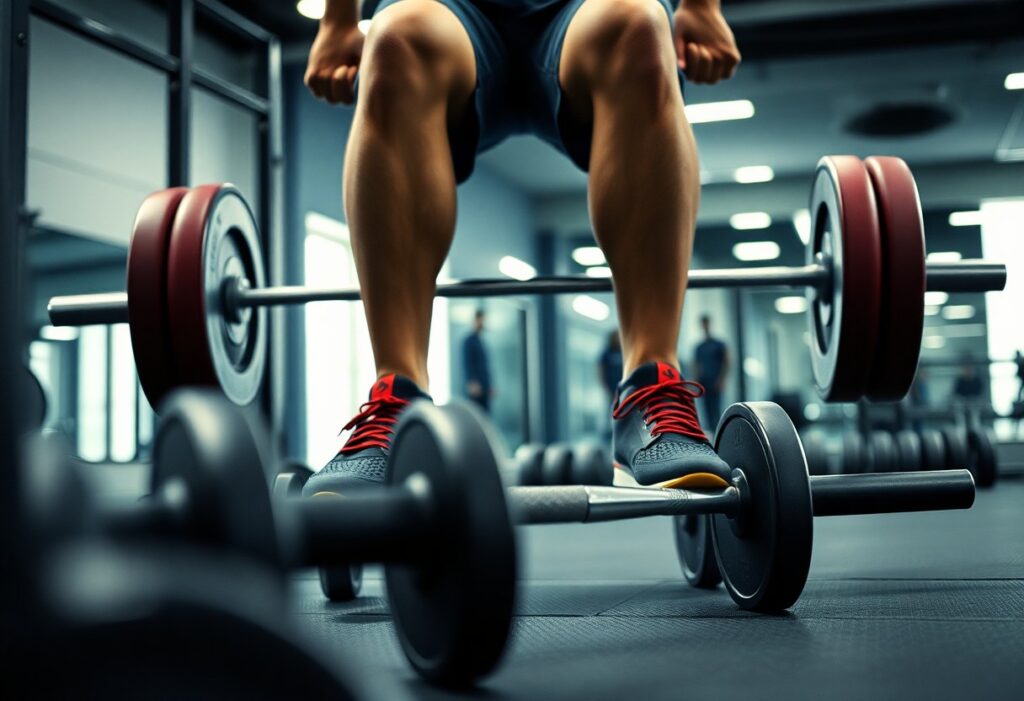
If you want a flat, connected feel for deadlifts, Xero shoes can be a smart minimalist option. The best choice depends on whether you value the lowest possible stack, a little more upper structure, or a shoe that also works for broader gym sessions.
Best fit for deadlifting
For pure deadlift work, the Xero Prio is the safer default because it keeps the platform low and simple. If you want a little more upper structure for general training, the Xero Hfs is the more versatile pick.
If your training is broader than deadlifts and you also want a fuller gym-shoe comparison, see our CrossFit performance analysis for the wider-use case.
Which Xero Shoe Makes Sense For Deadlifts?
Deadlifting rewards a stable base, a direct connection to the floor, and a shoe that does not absorb force. That is why Xero’s minimalist models appeal to lifters who want less cushioning and less interference underfoot.
For most lifters, the choice comes down to simplicity versus versatility. The more your session resembles a pure deadlift day, the more the Prio makes sense. The more your week includes squats, accessory work, short conditioning pieces, or class-style training, the more the HFS or Forza Trainer starts to fit the real use pattern.
What The Ground-Feel Argument Actually Means
The value of a minimalist deadlift shoe is not magic performance gain. It is the reduction of variables between your foot and the floor. A flat, thin sole can make it easier to brace, keep pressure even through the midfoot, and feel whether your setup is drifting toward the toes or heels.
Practical deadlift cues when wearing Xero shoes
- Keep the foot tripod active: big toe, little toe, and heel should stay engaged.
- Start with short warm-up sets before heavy pulls so the foot can settle.
- Choose the model that lets you feel pressure without collapsing the arch.
- If the shoe feels loose in the midfoot, tighten lacing before chasing load.
That same logic is why minimalist shoes often feel especially good for conventional deadlifts, sumo pulls, and paused variations. In each case, a stable base matters more than a cushioned ride. If you are also comparing how Xero shoes behave in broader training settings, the orthotics compatibility guide is useful for understanding when added support changes the fit equation.
How To Transition Without Making Your Pulls Feel Worse
A minimalist shoe can reveal weaknesses that a thicker trainer hides. That is helpful, but only if you transition with enough patience to let your feet and calves adapt. The aim is not to “tough it out”; it is to keep training quality high while you adjust.
A Simple Transition Approach
- Begin with warm-ups, technique work, and moderate sets in the new shoes.
- Keep early sessions lower volume than usual so your feet are not the limiting factor.
- Watch for arch fatigue, toe gripping, or calf tightness after training.
- Increase load only when your setup feels stable from the first rep onward.
If you are still building familiarity with minimalist footwear, it may help to read the broader barefoot transition guide before making Xero your primary lifting shoe.
What To Watch For If Your Feet Collapse Inward
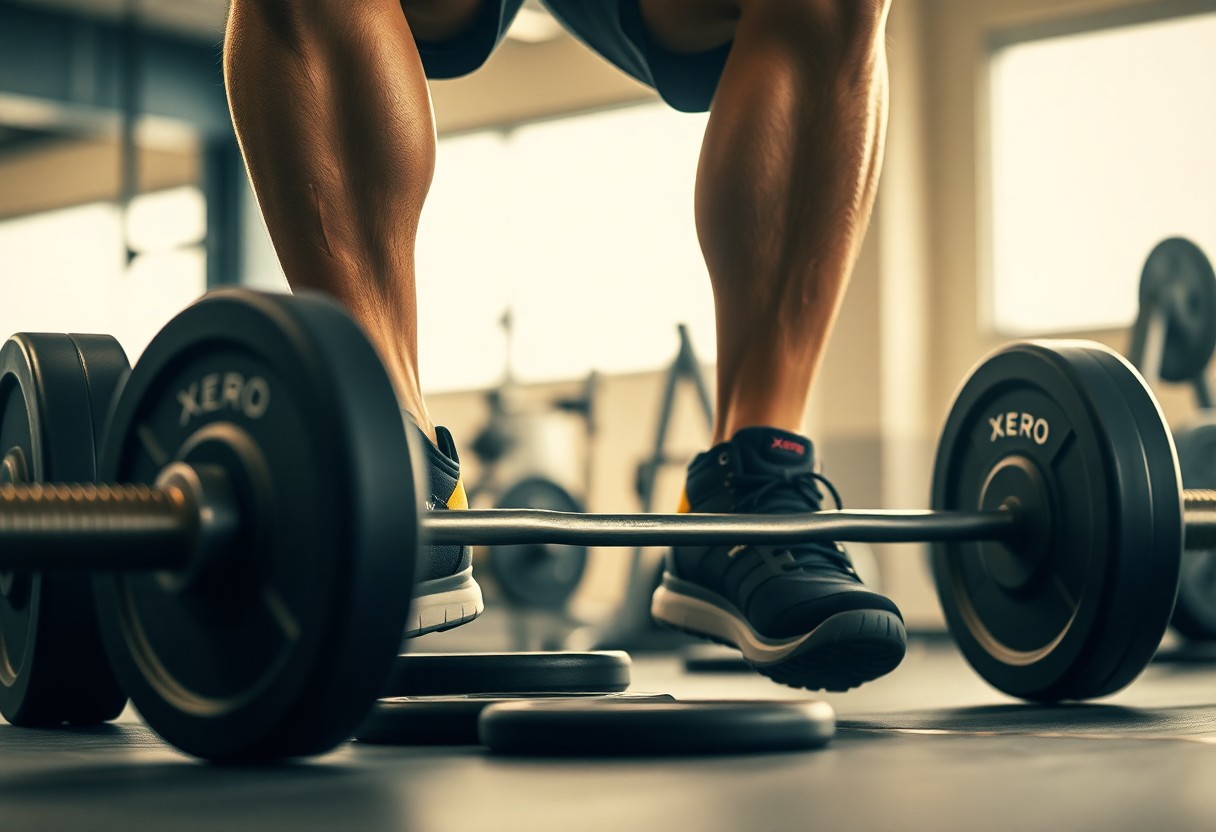
The post’s original overpronation concern is worth keeping, but the useful takeaway is simple: if your arches cave or your knees drift during the pull, a flat shoe will not fix the mechanics by itself. It will just make the issue easier to notice.
That is why foot strength, ankle control, and setup discipline matter. Toe spreads, arch raises, and calf mobility can help, but the biggest improvement usually comes from cleaner bracing and even pressure through the foot before the bar leaves the floor.
When Xero is the right call
Choose Xero if you want a low-profile deadlift shoe that keeps you close to the platform and helps you feel your setup. Choose a more structured trainer if you need one shoe for lifting plus conditioning, classes, or general gym use.
For broader training needs, the CrossFit comparison is the better next stop; for deadlift-first buyers, the Prio remains the most straightforward option.
A Note On The 700-Lb Deadlift Case Study
The original article’s case study can stay as context, but it should be read as a training example, not proof that the shoe created the lift. A 16-week progression, better setup habits, and consistent practice are the real drivers of a pull that moves from 585 to 700 pounds.
The useful lesson is narrower: when the shoe does not get in the way, lifters can focus on the variables that matter most—bar path, bracing, foot pressure, and repeatable setup.
Who Should Skip Minimalist Shoes For Deadlifting?
If you are still dealing with foot pain, tendon irritation, or a history of discomfort when going zero-drop, don’t treat a minimalist shoe as a universal upgrade. Some lifters do better with more structure, especially when they are new to the style or are using one pair for multiple training goals.
If you need a more condition-specific viewpoint, the therapeutic benefits guide is the better place to start than a deadlift comparison alone.
Bottom line
For deadlifting, Xero shoes make the most sense when your priority is ground feel, flat positioning, and a simple setup. The Prio is the clearest deadlift-first choice, while the HFS and Forza Trainer are better if your sessions are more mixed.
Frequently Asked Questions
Are Zero-Drop Shoes Good For Weight Lifting?
Yes, especially for deadlifts and other lifts where a stable, flat base is more important than cushioning. They are less ideal if you want one shoe for everything.
Which Xero Shoes Are Best For The Gym?
The Prio is the most deadlift-friendly, while the HFS and Forza Trainer are stronger all-around gym options. The best choice depends on whether your priority is maximal ground feel or more versatility.
Who Should Avoid Zero-Drop Shoes?
Lifters who have ongoing foot, calf, or tendon issues, or anyone who has not adapted to minimalist footwear yet, should be cautious. Comfort and control matter more than the concept of going barefoot-style.
What Is The Best Shoe For Weight Lifting?
For deadlifts, a flat minimalist shoe can work extremely well. For squats or mixed training, the better shoe is the one that matches your mobility, stability needs, and the rest of your weekly program.

Henry Harrington is a passionate author and content creator at My Shoes Finder, where he explores a wide range of topics related to footwear, lifestyle, and personal growth. With a keen eye for detail and a love for storytelling, Henry engages readers by sharing insights, tips, and personal anecdotes that resonate with his audience. His commitment to delivering high-quality content has established him as a trusted voice in the online community, inviting readers to step into new perspectives and discover their unique paths.
See also:
 Xero Shoes Forza Trainer Review: Fit, Performance, And Best Uses
 Xero Shoes For Bunions: What Helps, What Doesn’t, And Which Models Fit Best
 Are Xero Shoes Good For Cycling? 2025 Comfort And Efficiency Review
 Xero Shoes For Crossfit: 2025 Wod Performance Review
 Xero Shoes For Nurses: Best Picks For 12-Hour Shifts
 Xero Shoes For Children In 2025: Fit, Safety, And Best Models
It’s fascinating to see how footwear design is evolving to enhance performance, especially in something as foundational as the deadlift. I’ve personally noticed a significant difference in my stability and connection to the ground when switching to minimalist shoes. The zero-drop platform really does offer a different experience—like you mentioned, it seems to heighten neural feedback, which many of us might overlook when we think about lifting mechanics.
It’s great to hear you’re experiencing those benefits from minimalist shoes. The way footwear can influence our connection to the ground in lifts like deadlifts is truly interesting. The zero-drop design does seem to keep us more in tune with our body mechanics, allowing those subtle shifts in posture and balance to come into play.
It’s great to hear that you’ve experienced a transformation with minimalist shoes. The way footwear can change our interaction with the ground is often underestimated. This connection really influences not just stability but also our overall lifting mechanics.
It’s interesting how our understanding of footwear is evolving alongside our training practices. I think many people underestimate just how much our choice of shoes can affect not only performance but overall biomechanics. Your experience with minimalist shoes really highlights that connection to the ground. There’s something about that zero-drop platform that can make lifts feel more stable, isn’t there?
It’s intriguing to see the conversation around barefoot training methods gaining momentum, particularly with innovations like the Xero Shoes. As someone who’s been deeply invested in weightlifting for several years, I can’t help but reflect on the role footwear plays not just in performance, but in injury prevention and overall technique enhancement.
Your analysis of Xero Shoes’ barefoot design is intriguing, particularly the emphasis on how this innovative approach can reshape weightlifting performance. The concept of maximizing ground connection and enhancing biomechanical efficiency certainly resonates with contemporary trends in fitness that advocate for a more natural range of motion. However, it raises fundamental questions regarding the broader implications of minimalist footwear in strength training.
You raise some really thoughtful points about the implications of minimalist footwear, especially regarding weightlifting. The emphasis on maximizing ground connection and enhancing biomechanical efficiency certainly connects with the broader movement towards more natural and functional training methods. It makes me think about how our relationship with footwear has evolved over the years and the impact of that on our overall movement patterns.
It’s interesting to think about how the relationship with footwear has shifted over the decades. Shoes have evolved from being purely protective gear to complex pieces of technology marketed for performance enhancement. Minimalist footwear really taps into that instinctive need to connect more deeply with the ground.
You bring up an interesting point about the evolution of our relationship with footwear and its broader implications for movement. It’s fascinating to think about how our footwear choices have shifted, especially when you consider the historical context. For much of our evolution, humans were barefoot, which allowed for a more natural way of moving.
You bring up an interesting point about the evolution of our relationship with footwear and its broader implications for movement. It’s true that for much of our history, humans were barefoot. I often wonder how much that natural way of moving shaped not just our physical health but also our connection to the environment around us. There’s something primal about the feel of different surfaces underfoot—gravel, grass, sand—that seems to be lost in modern footwear.
I really appreciate your deep dive into the benefits of the Xero Shoes for deadlifting. It’s fascinating how much our footwear can influence our biomechanics and overall performance. I’ve personally experienced a shift in my lifting mechanics since switching to a minimalist shoe, and the zero-drop design has definitely improved my foot stability and comfort during heavy lifts.
Your insights into the role of footwear in strength training are compelling, particularly the focus on biomechanical efficiency and sensory feedback. I’ve been experimenting with the Xero Prio for a few months now and can attest to the changes in my lifting technique. The zero-drop platform really has altered how I engage with the ground, enabling a deeper connection during lifts.
It’s fascinating to see how minimalist footwear like the Xero Shoes can influence our biomechanics and overall performance. I’ve been incorporating barefoot training into my routine for a while now, and the difference in stability and proprioception is noteworthy. I remember when I first started deadlifting in traditional shoes; I felt a disconnect with the ground that often led to form issues. Swapping to a more minimal design really changed the game for me.
It sounds like you’ve experienced quite the journey on your path to barefoot training! I can totally relate to that feeling of being disconnected from the ground—it’s like trying to hug someone while wearing a suit of armor. Not the most effective method for bonding, right?
The discussion around the impact of footwear on weightlifting performance is indeed fascinating. Your emphasis on the Xero Shoes’ innovative barefoot design highlights a significant shift in how we approach lifting mechanics. I’ve personally noticed that the transition to minimalist footwear has enhanced my proprioception, allowing for a more connected feel with the ground during heavy lifts.
I completely agree with you—there’s definitely something intriguing about the role footwear plays in lifting. It’s interesting how a shift towards more minimalist designs can change not just our mechanics, but also our entire approach to training. The enhanced proprioception you mentioned has been a game-changer for me as well. I’ve noticed that feeling more connected to the ground allows me to engage my stabilizing muscles differently, which can sometimes lead to better lifting outcomes.
I found your exploration of Xero Shoes and their innovative barefoot designs truly compelling! The idea that footwear can significantly influence lifting performance reflects so much about how interconnected our bodies and the tools we use really are. With the science backing the zero-drop platform and enhanced neural feedback, it’s fascinating to think about how such design features can transcend mere aesthetics and actually affect our physical capabilities.
I completely resonate with your thoughts on Xero Shoes and their approach to barefoot design. It’s remarkable how much our footwear choices can shape not only our comfort but also our physical performance. The zero-drop platform really does seem to unlock a different level of connection between our feet and the ground, which can enhance proprioception and stability during lifting.