
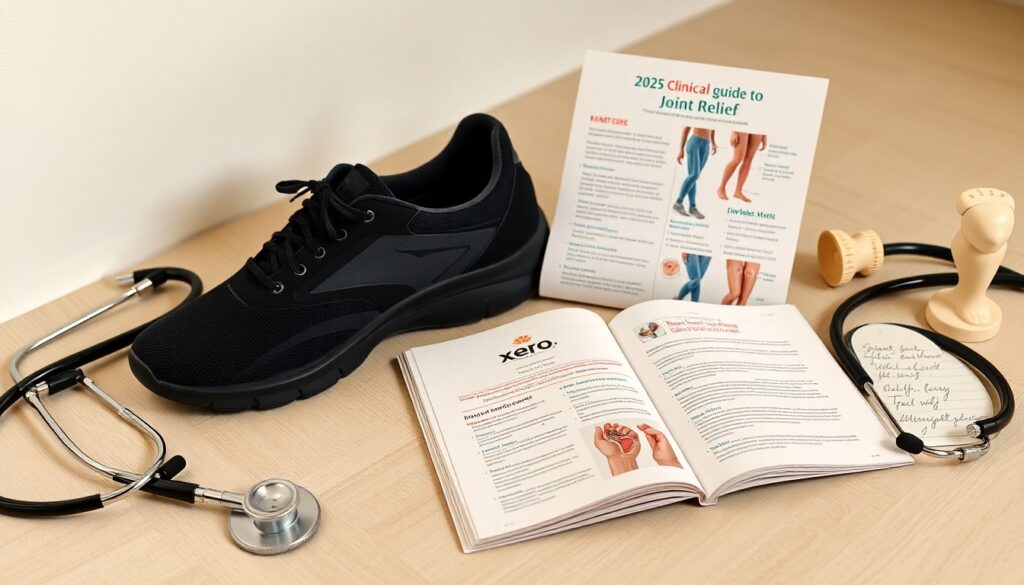
Xero Shoes may help some people with knee pain, especially if their symptoms are tied to stride mechanics, overstriding, or overly stiff footwear. They are not a fix for every knee problem, and people with acute injury, significant swelling, or advanced joint disease should be more cautious.
Quick verdict
If your knee pain gets worse in heavily cushioned, elevated shoes, a gradual move to zero-drop or minimalist footwear may improve comfort by encouraging a shorter stride and a more natural foot strike. If pain is sharp, swollen, or unstable, shoes alone are unlikely to solve it.
For broader context, see our related guides on back pain and posture and arthritis-friendly joint strategies.
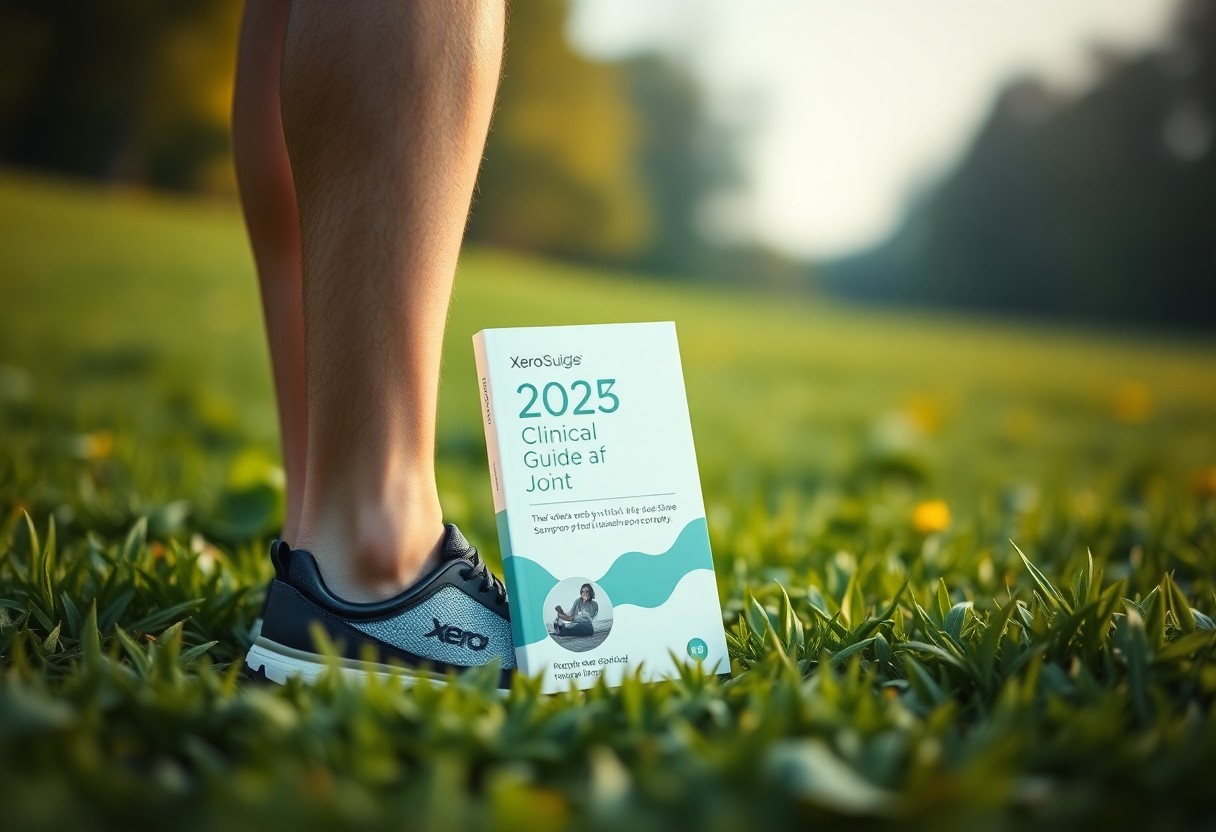
How Xero Shoes May Help Knee Pain
The main reason minimalist shoes come up in knee-pain discussions is biomechanics. A zero-drop design keeps the heel and forefoot level, and the flexible platform can encourage a gait pattern with less heel-overstriding. For some walkers and runners, that can reduce the load that shows up at the knee.
That does not mean the shoe itself “treats” knee pain. It means the shoe may help create movement patterns that are easier on certain knees, especially when the problem is aggravated by motion habits rather than by a major structural injury.
| Shoe type | What it tends to do | Best fit for knee pain |
|---|---|---|
| Zero-Drop Minimalist Shoes | Promote a flatter stance, more foot feedback, and often a shorter stride. | Useful if your pain is linked to mechanics and you can transition gradually. |
| Barefoot-Style Shoes | Maximize ground feel and natural movement, but demand more adaptation. | Best for experienced minimalist users, not most sore knees on day one. |
| Traditional Cushioned Shoes | Add stack height and cushioning, which can feel protective but may not change loading patterns much. | Often the safest default during flare-ups or when you need maximum familiarity. |
What The Evidence Really Suggests
The evidence base around minimalist footwear is promising but not universal. Some biomechanics studies report changes in knee loading, stride length, and joint moments when wearers move from conventional shoes to flatter, more flexible footwear. Those changes can be meaningful for certain pain patterns, but they are not guaranteed to reduce symptoms for everyone.
A safer way to read the research is this: Xero Shoes may be a useful tool when knee pain is influenced by walking or running mechanics, but the benefit usually depends on dose, adaptation time, strength, and your underlying condition. That is why the best results often come from pairing the shoe with movement changes rather than expecting a quick reset.
If you are comparing prevention and symptom relief, our knee-pain prevention insights page goes deeper into who may benefit before pain becomes chronic.
Who Should Be Cautious
Use extra caution if you have:
- acute knee injury or recent trauma
- visible swelling, locking, or instability
- advanced osteoarthritis with regular flare-ups
- Achilles, calf, or foot issues that already make flat shoes uncomfortable
- a history of pain that worsens quickly with footwear changes
If you already know your pain is part of a broader joint-management picture, the arthritis guide above is the better starting point. If your symptoms are more about posture, walking habits, or back-chain tension, the posture and back-pain article is more relevant.
How To Transition Without Irritating Your Knees
The biggest mistake is switching too fast. Even when minimalist shoes are a good fit, your calves, feet, and lower legs need time to adapt, and your knees may complain if the change is abrupt.
- Start With Short Wear Windows. Use the shoes for a brief walk or part of the day, not a full-day test.
- Keep The First Walks Easy. Flat ground and low mileage are better than hills, speed, or long errands.
- Watch Your Symptoms. Mild muscle fatigue can be normal; escalating knee pain is a signal to slow down.
- Support The Change With Strength Work. Quads, glutes, calves, and foot strength all matter for durable improvement.
If you are new to this style of footwear, our beginner transition guide is a practical companion, and it pairs well with the more general science of barefoot shoes overview.
Choosing The Right Xero-Style Option
For knee pain, the best model is usually the one that lets you stay consistent without triggering new problems in the feet or calves. That often means selecting a stable, everyday-friendly shoe rather than the most aggressive barefoot option right away.
- Choose A Wider Toe Box if your forefoot feels cramped in conventional shoes.
- Prefer A Manageable Feel over maximum ground feedback if you are still adapting.
- Consider Your Use Case — walking, commuting, light training, or daily wear each demand different levels of flexibility.
- Prioritize Comfort Within A Zero-Drop Platform rather than chasing the thinnest sole available.
If you are already comparing model families, the broader Xero catalog pages can help you narrow fit and style. For readers who want a more specific buying path, start with the main brand guide and then compare shoe shape, sole feel, and intended activity.
Need to compare before you buy?
If your knee pain is part of a wider pattern, compare this guide with the back-pain and posture guide and the arthritis strategies page before deciding which angle fits your symptoms best.
For prevention-minded readers, the knee-pain prevention insights article is the most focused next step.
Common Questions About Xero Shoes And Bad Knees
Are Zero-Drop Shoes Good For Bad Knees?
They can be, but only for the right person. If your knee pain is linked to gait and loading habits, zero-drop shoes may help; if you are in a flare-up, they may feel worse at first.
Do Barefoot Shoes Help Bad Knees?
Sometimes, but not instantly and not for everyone. They tend to work best when the issue is mechanics rather than a major injury or severe arthritis.
Why Do Podiatrists Not Always Recommend Barefoot Shoes?
Because the adaptation demand is real. People with weak calves, sensitive feet, limited mobility, or unresolved pain may need more support than a minimalist shoe provides.
What Shoes Do Podiatrists Recommend For Knee Pain?
Recommendations vary, but a podiatrist will often start with the shoe that matches your diagnosis, foot shape, and activity level rather than recommending one universal model.

Jessica Linford is an insightful author for My Shoes Finder, where she explores a wide array of general topics that resonate with everyday readers. With a passion for storytelling and a keen eye for detail, she brings a unique perspective to her writing, aiming to inform and inspire through her engaging content. Jessica’s diverse interests drive her curiosity, allowing her to connect with audiences on various subjects while sharing practical tips and relatable anecdotes.
See also:
 Barefoot Shoes And Knee Pain Prevention: What The Science Suggests In 2025
 Xero Shoes For Back Pain And Posture: What Helps, What Doesn’t, And How To Transition
 Unleash Your Natural Movement with Barefoot Shoes for Men
 Xero Shoes For Arthritis: A Practical 2025 Footwear Guide
Cool Barefoot Shoes: Discover the Best Barefoot Shoes
Xero Shoes For Arthritis: A Practical 2025 Footwear Guide
Cool Barefoot Shoes: Discover the Best Barefoot Shoes
 Do Shoes Really Need Arch Support? When It Helps And When It Doesn’t
It’s fascinating to read about the potential impact of zero-drop footwear on knee pain management. I’ve personally experienced the challenges of knee discomfort, often feeling the strain after long walks or runs, which made me hesitant to stay active. The idea that footwear can play such a significant role in reducing stress on the joints is compelling.
It’s great to hear you’re engaging with the topic of zero-drop footwear and its connection to knee pain management. Many people overlook how much our footwear affects the way we move and how we feel afterward. If you’ve experienced knee discomfort after walks or runs, it’s understandable that you might become tentative about staying active. It can feel like you’re fighting a losing battle when every step seems to amplify that discomfort.
I really resonate with what you said about the impact of footwear on movement and how it can influence our overall experience. Knee discomfort can be frustrating, especially when it makes you hesitant to get outside and stay active. It’s like a constant reminder that something isn’t quite right, and that can put a damper on your motivation.
Your exploration of knee pain and the potential benefits of Xero Shoes offers a refreshing perspective on a condition that many struggle with daily. I think it’s vital to approach knee pain not just as a symptom but as a complex interplay of biomechanics, lifestyle choices, and overall musculoskeletal health.
Your insights on knee pain and the potential benefits of Xero Shoes prompt a deeper examination of how footwear profoundly influences our biomechanics. Knee pain is indeed a complex and multi-faceted issue, often exacerbated by the type of shoes we choose to wear. I find it fascinating how the conversation around footwear has shifted from purely aesthetic considerations to a more nuanced understanding of its physiological impact.
You’ve touched on such an important aspect of footwear that often gets overlooked. It’s interesting to think about how much the discussion has evolved. For a long time, shoes were just something we wore to look good or fit in with a trend. But as more people become aware of how our choices impact our bodies, it’s clear that there’s much more to footwear than fashion.
It’s fascinating to read about the ways in which Xero Shoes and zero-drop footwear can impact knee pain management. Having struggled with my own bouts of knee discomfort over the years, I can certainly relate to the transformative potential of embracing a minimalist approach to footwear. It’s interesting how our everyday choices, like the shoes we wear, can significantly influence our biomechanics and overall joint health.
I can really relate to your experience with knee discomfort. It’s interesting how many people overlook the role that our footwear plays in our daily lives. When I switched to minimalist shoes a while back, I noticed how much more engaged my feet and legs felt, almost like they were finally allowed to do their thing without the constraints of traditional footwear. Over time, that change did seem to alleviate some of my own joint issues.
It’s fascinating how the biomechanics of our bodies can have such a profound impact on everyday activities, especially when it comes to something as crucial as our knees. I can relate to the frustration that knee pain can bring, having experienced my own struggles with discomfort during runs and even just those casual walks.
Your insight into knee pain and the role of footwear in alleviating it really resonates with me. I’ve experienced my fair share of joint discomfort, particularly after long runs, and I often wondered if my shoes were part of the problem. The idea of zero-drop footwear reducing knee joint stress seems like a game-changer.
I can relate to that feeling of joint discomfort after long runs. It’s interesting how much our footwear can impact not just our comfort but also our overall biomechanics. I’ve tried a few different styles myself, and I’ve found that switching to zero-drop shoes really did change the way my feet and knees felt during and after runs.
I totally get where you’re coming from—finding the right shoes can really make a difference, and I recently came across some discussions on zero-drop footwear that might help with that discomfort you’re experiencing.
‘Xero Shoes Sale: Unbeatable Deals Await You’
https://myshoesfinder.com/xero-shoes-sale-unbeatable-deals-await-you/.
It sounds like you’ve really been through it with those joint aches. It’s surprising how much our shoes can play a role in how our bodies feel after a run. The zero-drop thing is interesting because it aims to keep your body in a more natural alignment. A lot of runners have found that shifting to a more minimal shoe has helped them feel less strain.
Your insights into knee pain and its management through innovative solutions like Xero Shoes really resonate with me. Having struggled with knee discomfort for years, I often feel like I’m wading through a sea of conflicting advice on how to achieve relief. The comparison to WD-40 is clever and highlights how essential it is to address the root of the problem rather than just mask the symptoms.
It’s encouraging to hear that the insights on knee pain management resonate with you. The journey through persistent discomfort can indeed feel overwhelming, especially with all the different advice out there. It’s a bit like navigating a maze without a clear map, isn’t it?
Ah, knee pain—it’s like that uninvited guest who overstays their welcome at the party, isn’t it? Just when you think you’ve managed to sidestep their incessant chatter about life’s challenges, they stick around to remind you why you shouldn’t have taken that leap for joy at your niece’s birthday party. I can totally relate to the struggle; I myself have battled with knee discomfort that has tried its best to halt my dance moves at various weddings and family gatherings. Spoiler alert: I’ve been sidelined more than I’d like to admit.
Your insights into the connection between knee pain and footwear are fascinating and highlight an often-overlooked aspect of joint health. As someone who has struggled with knee discomfort for years, I can definitely relate to the frustrations caused by traditional shoe designs. The idea of zero-drop footwear seems promising, particularly for those like me who want to minimize joint stress without resorting to invasive treatments.
The exploration of knee pain and its biomechanical underpinnings is indeed a crucial conversation, especially in today’s world where many of us are transitioning toward more natural forms of movement. The analogy of Xero Shoes being like “WD-40 for rusty knee joints” resonates strongly; it’s a vivid way to illustrate how these shoes might alleviate pain by minimizing friction and promoting better alignment.
The parallels you draw between knee pain relief and the functionality of Xero Shoes are intriguing. It’s fascinating how innovations in footwear can intersect with biomechanics to potentially reshape our understanding of joint health. Having struggled with knee discomfort in the past, I can appreciate the frustration that comes with traditional advice that often leans heavily on medications or physical therapy without sufficient attention to how footwear impacts biomechanics.
It’s fascinating how footwear can play such a significant role in our overall joint health. I’ve experienced knee pain myself, and I often find that the type of shoes I wear can influence my comfort levels quite dramatically. The concept of zero-drop footwear mitigating knee joint stress is particularly intriguing; I wonder how many people are aware of how their daily footwear choices impact their biomechanics.
It really is fascinating how much of an impact footwear can have on our joints and overall well-being. I’ve also noticed that the right shoes can make a noticeable difference in how I feel throughout the day. It’s interesting to think about how many people might overlook this aspect of their health. Many might focus more on exercise or nutrition, but the foundation—literally—is what we have on our feet.
The analogy of Xero Shoes as “WD-40 for rusty knee joints” is quite effective in illustrating their potential benefits. Having dealt with knee pain myself, I appreciate the emphasis on understanding the underlying mechanics. It’s fascinating how footwear design can influence not just comfort but overall joint health and function.
I totally get where you’re coming from with that analogy of Xero Shoes as “WD-40 for rusty knee joints.” It really highlights how footwear can play a pivotal role in our overall mobility and joint health. Having wrestled with my own knee issues, I’ve often found myself exploring different types of footwear and their impacts on my daily comfort and activity levels.
I appreciate your take on that analogy. It’s interesting how many people overlook the connection between footwear and joint health until they encounter issues themselves. I’ve had my fair share of knee discomfort too, and it’s made me much more aware of how the right shoes can really change the game.