
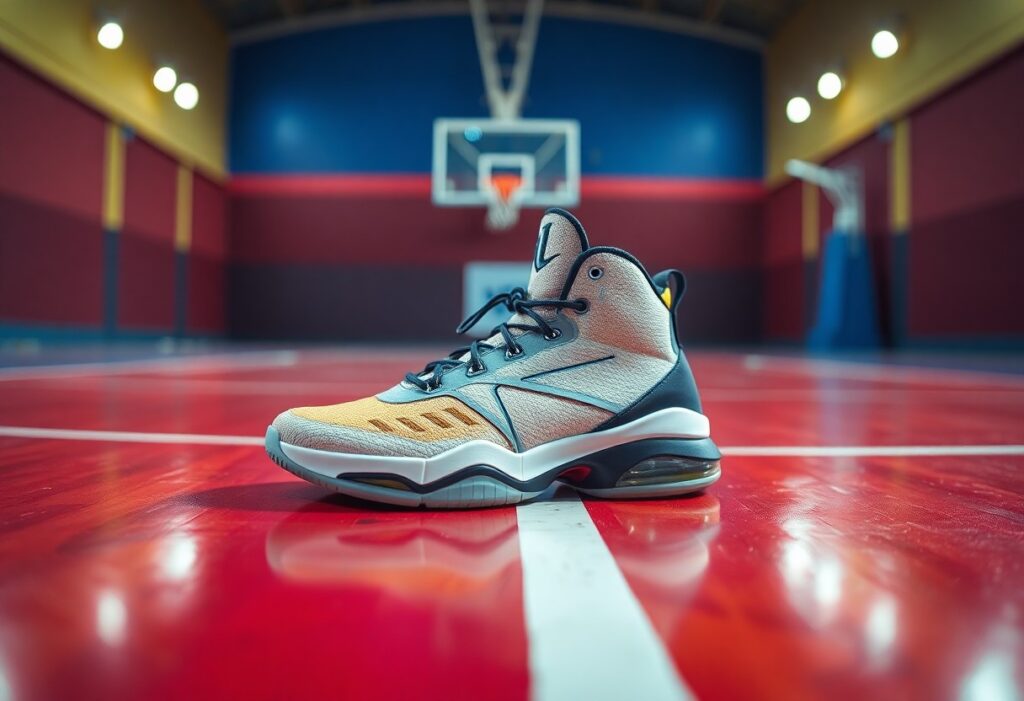
The Xero Shoes X1 is built for players who want a low-profile basketball shoe with a barefoot-inspired feel, quick ground connection, and a roomier forefoot. It is most compelling for athletes who value agility, natural toe splay, and a lighter court sensation over plush cushioning.
Quick decision guide
- Choose The X1 If you want court feel, flexibility, and a natural foot shape for basketball.
- Skip It If you prefer heavy cushioning, a tall ride, or maximum impact absorption.
- Best For guards, quick-footed wings, training sessions, and players easing into minimalist footwear.
- Read First if fit matters: Xero Shoes sizing tips can help you avoid the most common size mistakes.
| Best for | Players who want a grounded feel, quick transitions, and a wide-toe-box fit |
|---|---|
| Main strength | Natural movement and better court awareness than typical cushioned basketball shoes |
| Main tradeoff | Less plush impact protection and a shorter adaptation curve for some players |
| Why it stands out | It stays focused on basketball while preserving Xero’s minimalist philosophy |
If you are comparing the X1 against other Xero performance models, the basketball-specific angle matters. For broader training shoes, you may want to look at the Forza Trainer review or Xero’s CrossFit performance analysis; this page stays locked on court use so the buying decision is clearer.
What The X1 Actually Delivers On Court
The Xero Shoes X1 is not trying to compete with maximalist basketball shoes on cushioning. Its pitch is different: keep the shoe light, keep the platform low, and let your foot move with less interference. That can be a real advantage if you rely on first-step quickness, fast cuts, and precise body control.
The original article leaned hard into generic minimalist theory. The better lens for this page is simpler: does the X1 help basketball players move better, feel the floor more clearly, and fit a wider range of foot shapes without feeling clumsy? For many players, that is the real question.
The Core Setup: Low, Light, And Foot-Shaped
The X1’s main advantages come from a combination of minimalist construction and basketball-specific intent. A zero-drop feel, flexible sole, and spacious toe box all support a more natural stance. That can improve balance in defensive slides, help you stay quicker on your toes, and make directional changes feel less restricted.
- Zero-Drop Platform keeps heel and forefoot closer to level for a more grounded stance.
- Wide Toe Box gives the forefoot room to spread during braking, jumping, and landing.
- Lightweight Build reduces the feeling of bulk when you accelerate or recover on defense.
- Flexible Structure supports natural bending instead of fighting foot mechanics.
Who Will Feel The Biggest Difference
The X1 makes the most sense for players who already like court feel or who have been frustrated by shoes that feel too stiff, too padded, or too narrow in the toe area. Guards and quick wings are the obvious fit, but it can also work for any player who values responsiveness and wants a more connected feel underfoot.
If you play more upright, lean on clean footwork, or prefer a shoe that disappears during movement, the X1 has a strong case. If your game depends on heavy landings, constant paint contact, or maximum shock absorption, the tradeoff becomes more obvious.
X1 Fit And Use-Case Guide
| Player type | Why the X1 fits | Potential drawback |
|---|---|---|
| Quick guards | Fast feel, low ride, easy changes of direction | Less cushioning on repeated hard landings |
| Wings and perimeter players | Stable, responsive base for cutting and closeouts | May feel too minimal if you like a padded ride |
| Minimalist shoe fans | Familiar foot-shaped fit and low-profile court connection | Requires adaptation if you are new to barefoot-style footwear |
| Players with wide forefeet | Toe room can reduce squeeze and allow natural spread | Sizing still needs attention before buying |
If fit is your deciding factor, read the wide toe box guide before you buy. For broader fit help, this Xero sizing resource is also useful, especially if you have been between sizes in other athletic shoes.
Performance Details That Matter More Than The Hype
The original draft repeated a lot of abstract claims about “revolutionary” movement and “groundbreaking” support. In a product review, those phrases are less helpful than the practical details players actually care about: traction behavior, lateral stability, toe room, and how the shoe feels during a long run of possessions.
Court Feel And Responsiveness
The X1’s strongest selling point is its court connection. A lower, more flexible shoe usually gives you a clearer read on the floor and makes quick corrective steps feel easier. That can matter in defensive stance work, one-dribble pull-up sequences, and scrambles where the player who reacts fastest usually wins the possession.
This is also where minimalist shoes can be misunderstood. They do not automatically make you a better player. They can, however, reduce the distance between your movement and the floor, which makes precise footwork feel more immediate.
Traction And Stopping Power
The page content you started with talked a lot about biomechanics, but basketball players usually want one concrete answer: can I stop and change direction with confidence? That is the real traction question. A lighter shoe with a low profile can feel sharp during cuts because the shoe itself gets in the way less. That said, traction still depends on the outsole pattern, the court surface, and whether the floor is dusty.
If you play in a gym with inconsistent court maintenance, the X1 may reward regular wipe-downs more than a heavily cushioned shoe would. If you are moving from a traditional basketball model, expect a different kind of bite: less plush underfoot, more immediate floor feel.
Support, Stability, And The Minimalist Tradeoff
Support in a minimalist basketball shoe is not the same as support in a conventional high-top or max-cushion model. The X1 is trying to guide natural mechanics rather than lock the foot into a heavily structured shape. For some players, that feels freeing. For others, especially players used to aggressive padding, it can feel sparse at first.
That is why adaptation matters. Xero’s broader minimalist philosophy becomes useful here only as background: a strong foot, good mechanics, and gradual onboarding matter more than shoe marketing. If you want the deeper reasoning behind that, this barefoot-shoe science guide gives useful context without distracting from basketball use.
How To Transition To The X1 Without Overdoing It
If you are new to minimalist basketball shoes, the biggest mistake is treating the X1 like an ordinary drop-in replacement for your current pair. Your feet, calves, and lower legs may need time to adapt to the lighter, flatter setup. That does not make the shoe inappropriate; it just means you should use it intelligently.
- Start with short practice segments before using the X1 in full-speed games.
- Pay attention to calves, arches, and Achilles loading during the first sessions.
- Use clean footwork drills and lighter scrimmages before high-volume play.
- If you feel unusually sore, slow the transition instead of forcing it.
Players who are already accustomed to low-drop or flexible shoes will usually adapt faster. If you are moving from a heavily cushioned basketball shoe, a slower ramp-up is the safer and more useful approach. For readers who need a gentler introduction to the category, the microdosing transition guide is a practical companion piece.
Thinking about buying the X1?
If your priority is court feel, toe-room, and quick movement over plush cushioning, the X1 is a serious option. If you want a more cushioned Xero training shoe instead, compare it with Prio or Forza Trainer before deciding.
What To Expect From The X1 Over Time
A big part of the value proposition is long-term feel, not just first-day novelty. If you like a low, stable, flexible platform, the X1 can become one of those shoes you notice less as you play more. That is often what players want from a performance basketball shoe: less distraction, more control.
The original article included claims about joint comfort and improved agility. Those ideas are worth keeping, but they should be framed carefully. Better mechanics, a lower shoe profile, and less bulk can help some players feel quicker and less constrained. They are not a universal injury fix, and they should not be presented as one.
From a purchase standpoint, durability and use-case fit matter as much as performance claims. If you rotate shoes, play mostly indoors, and value responsiveness over softness, the X1 has a clearer value case than it does for players who need one all-purpose shoe for every surface and session.
Basketball-Only Comparison: Where The X1 Wins And Where It Does Not
| Question | Xero Shoes X1 | Traditional basketball shoe |
|---|---|---|
| Court feel | High | Usually lower because of thicker cushioning |
| Toe room | Roomier forefoot and natural spread | Often narrower and more shaped by fashion lasts |
| Impact protection | Moderate, minimalist | Usually higher and more cushioned |
| Best use case | Quick, responsive play with a grounded feel | Players prioritizing softness, padding, and shock absorption |
| Adaptation | May require a short transition | Usually easier for players used to standard shoes |
If your interest in Xero extends beyond basketball, keep the comparisons separate. A shoe built for deadlifts or trekking should not be treated as the same buying decision as a court shoe. That is why pages like the weightlifting analysis and the winter trekking guide are useful elsewhere, but not part of the X1 decision here.
Faqs
For readers comparing Xero’s basketball option with the brand’s wider lineup, the X1 should stay the decision center. If you want a broader buying path after this review, start with the articles hub and then branch into the sport-specific guides that match your training style.

Henry Harrington is a passionate author and content creator at My Shoes Finder, where he explores a wide range of topics related to footwear, lifestyle, and personal growth. With a keen eye for detail and a love for storytelling, Henry engages readers by sharing insights, tips, and personal anecdotes that resonate with his audience. His commitment to delivering high-quality content has established him as a trusted voice in the online community, inviting readers to step into new perspectives and discover their unique paths.
See also:
 Barefoot Basketball Shoe: X1 Mid Performance Unleashed
 X1 Mid – Barefoot Basketball Shoe
 Xero Shoes For Children In 2025: Fit, Safety, And Best Models
 Xero Shoes For Bunions: What Helps, What Doesn’t, And Which Models Fit Best
 Xero Shoes For Crossfit: 2025 Wod Performance Review
 Xero 360 Rally Review: The Best Barefoot Court Shoe For Pickleball And Tennis?
I really loved reading about the Xero Shoes X1 and the minimalist footwear philosophy—it really gets me thinking about how our relationship with what we wear on our feet shapes our performance and overall engagement in sports. As someone who has dabbled in a bit of basketball on the side, I know how crucial it is to have that right balance between freedom of movement and support. The idea of taking the “training wheels” off your feet hits home in a way that’s both relatable and exciting.
I love the idea behind the Xero Shoes X1! Minimalist footwear has really changed the game for how we approach athletic movement, and I’ve noticed significant differences in my own agility on the court since switching to a more natural shoe. It feels like I’m tapping into a more instinctual way of playing. I’m curious about how the X1 incorporates both minimalism and enough support for high-intensity moves—those hard pivots and quick sprints can definitely put extra strain on your feet. Have you tested them out yet? I’d love to hear more about how they hold up during a fast-paced game. Plus, this shift towards embracing our body’s natural mechanics seems to mirror a broader cultural trend, emphasizing well-being and mindfulness in sports. What are your thoughts on how this might influence younger players as they start to choose their gear?
I’m really intrigued by the Xero Shoes X1 and the whole minimalist footwear movement. It’s interesting how the idea of stripping back all that extra padding is really gaining traction in the athletic world. I’ve been experimenting with minimalist shoes for my runs, and I’ve noticed that they help me feel much more connected to the ground, almost like I’m in tune with every step I take.
It’s great to hear you’re diving into the minimalist shoe experience with the Xero Shoes X1. There’s something refreshing about shedding that additional padding and really connecting with the ground. Many people report that feeling more in tune with their surroundings transforms their running experience. It’s almost like rediscovering a natural rhythm, isn’t it?
The Xero Shoes X1 sounds like a fascinating step forward in the world of athletic footwear. I’ve been exploring minimalist shoes for my own workouts and have found that they truly do transform the way you engage with your movements. There’s something incredibly liberating about stripping away the excess and feeling the court beneath your feet—it’s like reconnecting with the essence of your athleticism.
I get what you’re saying about the freedom that comes with minimalist shoes. It’s all about that raw connection to the ground, right? When you really feel the surface you’re on, it can change how you respond and move.
It’s great to hear that you’ve been diving into minimalist shoes for your workouts. That sense of connection with the surface you’re on really does change how you move and feel during exercise. I’ve noticed that many athletes find themselves more in tune with their bodies when wearing less cushioning and support.
The introduction of the Xero Shoes X1 certainly takes us into exciting territory in the realm of basketball footwear. The concept of minimalist shoes is fascinating, especially when we consider how they align with our body’s natural biomechanics. I’ve often found that the traditional heavy cushioning in many athletic shoes can actually hinder my performance, feeling more like a barrier than a support.
The concept of minimalist footwear is especially compelling in the context of basketball, where agility and responsiveness are critical. I’ve always appreciated how the right shoe can truly enhance performance—it’s like an extension of your body. When I transitioned to minimalist running shoes a few years ago, it shifted my entire understanding of movement. Feeling the ground beneath your feet brings a new awareness to every step, and it fosters a connection to the sport that’s sometimes lost in bulkier designs.
I love the way you describe the Xero Shoes X1 as “taking the training wheels off your feet.” It has me picturing myself in my old basketball shoes, wobbling around like a toddler on a tricycle—definitely not the image I want to project on the court! The minimalist approach makes perfect sense; we spend so much time in overly cushioned shoes that in the name of comfort, we might be sacrificing our natural athletic abilities. I mean, have we really come to the point where we need “training wheels” for playing basketball? What’s next? Helmet pads for slam dunks?