
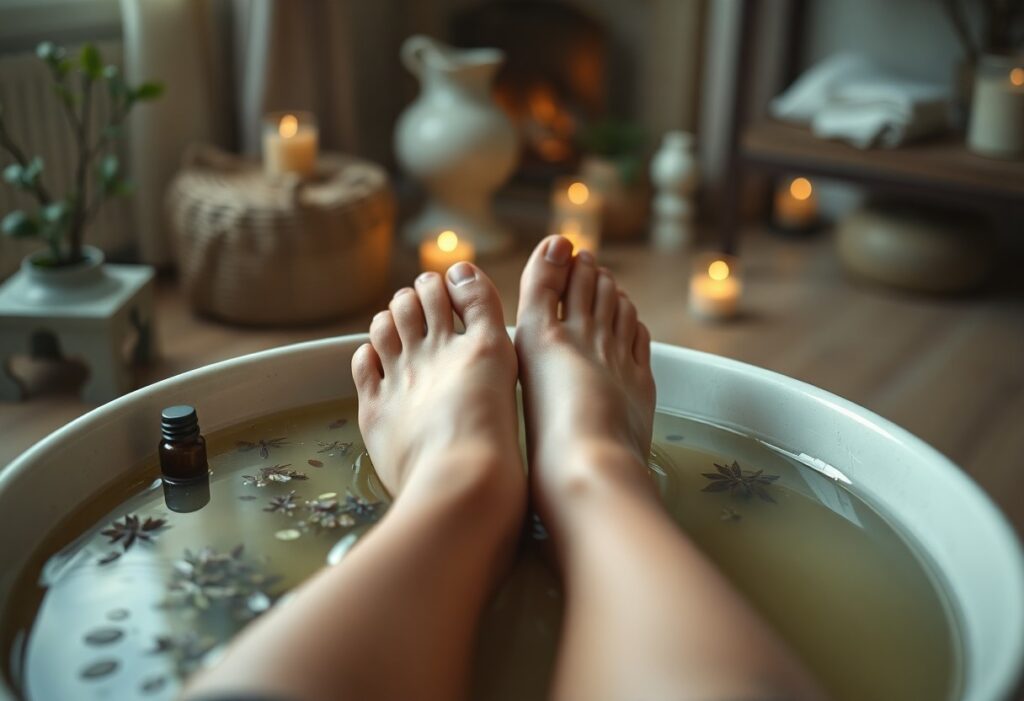
Foot recovery works best when you match the plan to the problem. Mild soreness, overuse pain, and a true injury do not need the same approach.
If you want a broader hub for foot-care topics, start with Foot Health while you work through the steps below.
Quick answer
For everyday foot recovery, start with load reduction, gentle mobility, and supportive footwear, then add strengthening as pain settles. If you have swelling, bruising, deformity, or trouble bearing weight, treat it as an injury and get assessed.
| Situation | Best first move | Avoid for now |
|---|---|---|
| Mild soreness after walking, workouts, or standing | Reduce volume for a few days, use light mobility, and wear comfortable shoes with enough room in the toe box | Pushing through sharp pain or changing everything at once |
| Overuse pain that returns when you increase activity | Trim load, reintroduce movement gradually, and begin simple foot-strength work | Long walks, jumps, or aggressive barefoot transition |
| Acute injury, bruising, or inability to push off normally | Rest, protect the area, and seek medical guidance if symptoms are significant | “Testing it” with repeated walking |
| Post-surgery or physician-directed recovery | Follow the surgeon’s timeline, loading rules, and rehab plan exactly | Copying general recovery advice that ignores restrictions |
Start With The Right Kind Of Recovery
The fastest path back to normal foot function is not always more rest. It is the right amount of rest, followed by gradual reloading, mobility, and strengthening. That sequence matters whether you are dealing with standing-all-day soreness, a flare-up from training, or lingering discomfort after a minor strain.
If your pain pattern is tied to running, long walks, or a return-to-sport timeline, you may also find it useful to compare recovery habits in running recovery and endurance tips.
A Safer Recovery Sequence
- Reduce The Load First. Cut back on the activity that started the pain, especially repeated standing, long walks, hills, or speed work.
- Check The Pattern. Mild soreness usually eases as you warm up. Sharp pain, swelling, bruising, or limping points to a bigger issue.
- Use Gentle Motion. Ankle circles, toe spreads, and short controlled movements help keep stiffness from building.
- Rebuild Strength. Once pain is calmer, add foot and calf exercises with low volume and high consistency.
- Choose Footwear That Does Not Aggravate Symptoms. A stable, comfortable shoe with enough space for the forefoot often helps the foot settle down.
- Escalate When Needed. If symptoms do not improve, or if you cannot bear weight normally, get medical advice rather than guessing.
What Helps Foot Recovery Day To Day
The original article leaned heavily on products, but the more reliable answer is simpler: daily habits do most of the work. A small morning routine, lower daily stress on the feet, and consistent strengthening will usually do more than any single tool.
Morning Activation For Stiff Or Tired Feet
A short morning reset can help if your feet feel flat, stiff, or slow to “wake up.” Light foot rolling or pressure work may help you notice where you are holding tension, and a simple forward-lean drill can re-engage your arches and toes before the day starts. Keep it easy; recovery work should feel controlled, not painful.
If you are curious about how footwear affects alignment and load, this guide to shoes and foot health gives useful background without turning recovery into a shoe-only fix.
Daytime Load Management
If you stand all day, recovery depends on how you distribute the stress. Break up long standing blocks when possible, alternate positions, and avoid letting the foot stay irritated for hours at a time. If your work demands a lot of standing, a shoe with a roomy forefoot and forgiving upper can make the day easier while the foot calms down.
For readers exploring minimalist footwear as part of a gradual transition, it is better to treat that as a later-stage support strategy, not the first fix. If you want a deeper look at when barefoot-style shoes may help active recovery, see barefoot shoes and active recovery.
Evening Recovery And Toe Mobility
An evening routine should calm irritated tissue rather than challenge it. Toe spacers, gentle toe stretching, and relaxed walking around the house can help if your feet feel compressed from narrow shoes. That said, toe spacers are best viewed as a comfort and mobility tool, not a cure for an untreated injury.
When Footwear Helps, And When It Does Not
Supportive footwear can reduce irritation while you recover, but it should not be used to hide worsening symptoms. Shoes help most when pain is driven by repetitive loading, tight toe boxes, or poor fit. They help less when you may have a fracture, severe sprain, or post-surgical restriction.
- Choose comfort first if the foot is sensitive or swollen.
- Use minimalist or barefoot-style shoes only if the transition is gradual and symptoms are mild.
- Do not use a shoe change to self-treat a suspected broken bone or significant injury.
Red Flags That Need Medical Attention
Some foot problems are not simple recovery issues. Get checked if you notice swelling that is increasing, visible bruising after a twist or impact, deformity, numbness, pain that keeps getting worse, or a foot that does not tolerate weight normally. If you suspect a broken foot, the right question is not how to speed it up, but how to protect it correctly.
For more on how shoe choice may contribute to recurring discomfort, the article on shoes causing walking problems is a helpful next read.
What To Do Next
If your symptoms are mild, keep the load low for a few days, use gentle mobility, and rebuild with simple strengthening. If your symptoms are not clearly improving, or if you are recovering from an injury or surgery, follow the prescribed rehab plan instead of improvising.
To keep exploring foot-specific guidance, visit the Foot Health category for related articles on pain prevention, footwear, and recovery support.
Frequently Asked Questions
How Can I Speed Up Foot Recovery?
Reduce the activity that triggered the pain, keep the foot moving gently, and return to strengthening only after symptoms settle. Recovery usually goes faster when you avoid boom-and-bust cycles.
When Can I Start Walking On A Broken Foot?
Only when a clinician says it is safe. A suspected fracture needs assessment, because walking too soon can slow healing or worsen the injury.
How Do I Make Standing All Day Easier?
Use shoes that fit well, break up standing time when possible, and give your feet low-stress recovery outside work hours. Small changes in load usually matter more than one big fix.
What Helps A Broken Foot Heal Faster?
Protection, proper immobilization, and following your clinician’s instructions are the main factors. Do not rely on exercises or footwear changes alone for a fracture.

Natalie Harper is a versatile author and content creator at My Shoes Finder, where she explores a wide range of general topics that resonate with diverse audiences. With a passion for storytelling and a keen eye for detail, Natalie crafts engaging articles that provide valuable insights and inspire readers. Her commitment to quality and relatability makes her work a trusted resource for those seeking both information and inspiration in their daily lives.
See also:
 Barefoot Shoes And Knee Pain Prevention: What The Science Suggests In 2025
 Xero Shoes For Plantar Fasciitis: What The 47% Pain Reduction Claim Really Means
 Do Barefoot Shoes Help Active Recovery? Benefits, Limits, And Best Use Cases
 Xero Shoes For Achilles Tendonitis: 2025 Rehab Protocol And Loading Guide
 Xero Shoes For Arthritis: A Practical 2025 Footwear Guide
 Are Xero Shoes Good For Standing All Day? Best Uses, Limits, And Comfort Tips

I really resonate with your focus on foot health—it’s so often overlooked! I had my own experience when I started running more seriously. I thought my foot pain was just part of the territory, but after doing some research and trying out a mix of foot strengthening exercises and switching to minimalist shoes, I noticed a huge improvement. It’s like my feet finally got the chance to do their job properly, instead of being constrained by traditional footwear.
It’s interesting to hear about your transition to running and how much of a difference foot health made for you. There’s a lot to unravel in that experience. Your instinct to think that foot pain was just part of running shows how normalized it is to suffer through discomfort, particularly in traditional sports culture. It’s like we’ve been conditioned to accept these issues as a rite of passage rather than something that can be addressed.
It’s interesting how easily we overlook our feet despite the crucial role they play in our daily lives. I recently started incorporating foot recovery into my morning routine, and I’ve noticed a significant difference. Using tools like the Naboso Neuro Ball has really helped me release tension and improve my overall mobility.
It’s great to hear about your experiences with foot recovery. Many of us don’t realize how much tension accumulates in our feet from daily activities. Using tools like the Naboso Neuro Ball sounds like a smart move—having a way to actually target those areas really makes a difference.
I really appreciate this discussion about foot health and the importance of taking proactive steps, especially since our feet often go unnoticed until pain strikes. It’s interesting to think about how much we rely on our feet for movement yet often neglect them in our daily routines. I’ve had my share of foot issues over the years—whether from wearing the wrong shoes or just being too active without proper care. I can definitely relate to what you’re saying about foot recovery.
This post really resonates with me, especially the emphasis on proactive foot care. I’ve recently started incorporating foot strengthening exercises into my routine, and it has made such a difference in my daily walk. I’m curious about how the Naboso Neuro Ball works for enhancing foot awareness—I’ve heard it’s effective for stimulating the nerves in the feet which can improve balance and proprioception.
It’s great to hear that you’ve started incorporating foot strengthening exercises into your routine. Small changes can lead to noticeable improvements, especially when it comes to foot health.
I can relate to how impactful foot strengthening exercises can be. It’s interesting how something as simple as working on our feet can transform our overall movement and stability. The Naboso Neuro Ball is fascinating; I’ve read about how it engages our sensory receptors, which can indeed enhance foot awareness and proprioception. I find that when our feet are more aware, it typically translates into better balance and coordination in other activities too.
It’s great to hear that you’re getting into foot strengthening exercises! I’ve found they can really change how you feel during your daily activities. Regarding the Naboso Neuro Ball, it’s pretty fascinating how something so simple can have such a positive effect on our foot awareness. The design encourages stimulation of the sensory receptors in our feet, which can enhance balance and proprioception, as you mentioned.
I found some useful tips on keeping shoes salt-stain-free that really complement the proactive foot care approach you’re embracing—it’s all about preserving your foundation for those strengthening exercises.
‘Guide to preventing and removing salt stains from shoes effective tips and techniques’
https://myshoesfinder.com/tips-for-preventing-and-removing-salt-stains-from-shoes/.
I really appreciate your insights on foot health! It’s so true that we often overlook our feet despite the incredible work they do for us every day. I’ve recently started incorporating foot recovery routines into my morning, and I can already feel the difference. Using a foot roller and focusing on my arches has helped alleviate some discomfort I used to feel after long hours on my feet.
It’s great to hear that you’re focusing on foot recovery; it really can make a significant difference. Our feet do so much unseen work, and it’s easy to take them for granted until something goes wrong. I’ve also experimented with foot rollers and found them surprisingly therapeutic. There’s something really satisfying about pinpointing the arches and feeling the tension release.
I really appreciate how you’ve highlighted the importance of foot health in your post. It’s often a topic that gets overlooked in favor of other fitness areas, but our feet truly are the foundation of our mobility. I’ve definitely experienced my share of foot pain, especially after long runs or standing all day at work, so I can relate to the fact that so many people go through this. It’s kind of wild that our feet take such a beating yet often don’t get the attention they deserve in our daily routines.
This post highlights a crucial yet often overlooked aspect of our overall health—foot care. As someone who has experienced foot pain after long days on my feet, I can attest to the importance of proactive foot health measures. I’ve started implementing a morning routine focused on foot recovery, which has made a noticeable difference in how I feel throughout the day.