
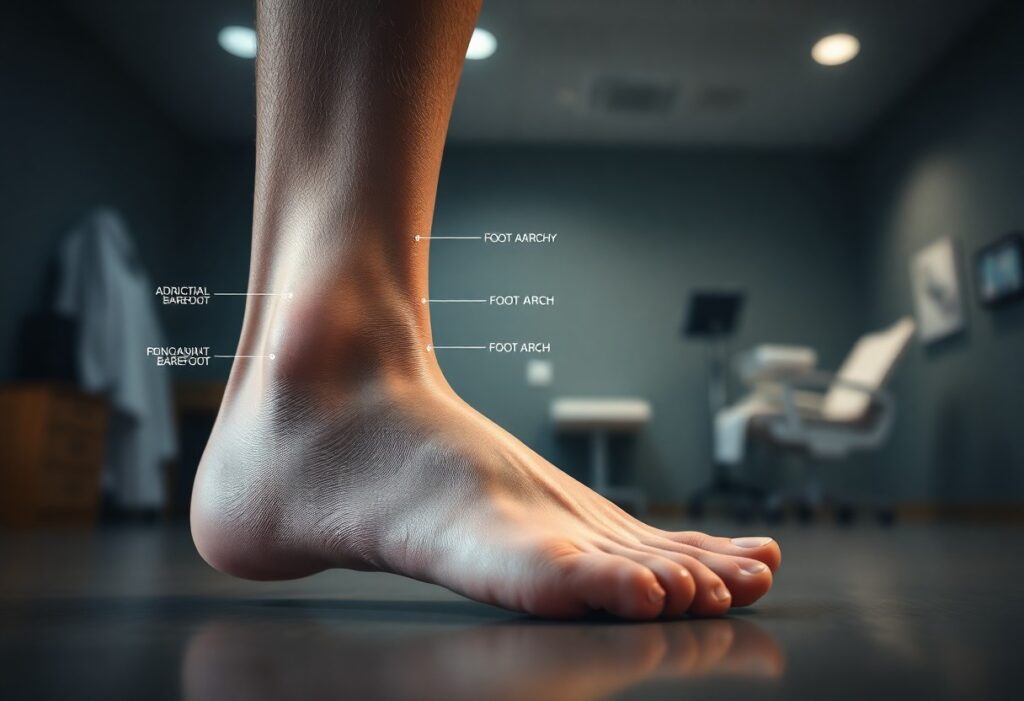
Barefoot footwear can change how you load the foot, but the clinical payoff depends on how gradually you adapt and what your baseline foot health looks like. For the broader evidence cluster, see this barefoot footwear biomechanics review.
What the evidence points to
| Change seen in barefoot footwear | Typical biomechanical effect | Clinical meaning |
|---|---|---|
| Shorter stride and altered foot strike | Lower impact peaks, different loading pattern | May help some runners, but adaptation matters more than the shoe itself |
| Higher sensory feedback from the ground | Greater proprioceptive input and intrinsic muscle demand | Can support foot strength, but can also irritate sensitive feet early on |
| Lower cushioning and zero-drop geometry | More forefoot and calf loading in many users | Useful for some goals, less suitable during Achilles or metatarsal irritation |
| Gradual tissue adaptation over weeks | Muscle and tendon remodeling with consistent use | Best outcomes come from a slow transition, not immediate full-time wear |
If you want the practical version of that transition, the barefoot shoe transition guide is the right next stop.
Gait Changes: What Usually Shifts First
The clearest biomechanical effect of barefoot footwear is a change in gait strategy. Many users land a little more softly, shorten stride length, and reduce ground contact force, especially after an initial adjustment period. Those changes can improve movement economy for some people, but they are not automatically protective or performance-enhancing in every runner.
The original review’s historical context is interesting, but the more useful clinical point is simple: minimalist footwear asks the body to do more work. That can improve foot control and neuromuscular coordination, yet it also shifts stress to tissues that may not be conditioned for it. Readers comparing everyday wear options can also look at barefoot shoes for walking for a lower-intensity use case.
Plantar Pressure And Muscle Demand
Pressure Distribution
Minimal cushioning changes how force is shared under the foot. In some studies that means less peak vertical loading, but the load may move toward the forefoot and metatarsals. That tradeoff is central to whether barefoot footwear feels better or worse for a specific person.
Intrinsic Foot Muscles
Reduced support can increase activation of intrinsic foot muscles, which may support arch control and balance over time. That benefit is more likely when the transition is gradual and paired with foot-strength work.
Achilles And Calf Load
Zero-drop and low-drop designs often increase demand on the calf-Achilles complex. That is not inherently bad, but it matters for anyone with tendon sensitivity, limited ankle mobility, or a recent return to exercise.
This is where the evidence should stay measured. Studies cited in the original draft suggest real changes in proprioception, muscle recruitment, and kinematics, but the strength of those changes varies by task, shoe model, and how long the person has been using minimalist footwear. In other words, barefoot shoes can nudge mechanics in a useful direction, but they do not erase the need for load management.
Clinical Outcomes: Who May Benefit, And Who Should Be Cautious
From a podiatric perspective, barefoot footwear is best viewed as a tool rather than a cure. It may suit people who want more ground feel, a wider toe box, or a gradual way to strengthen the foot. It may be less suitable for someone with active metatarsal pain, Achilles tendinopathy flares, severe plantar sensitivity, or a history of overuse injuries that worsen quickly with load changes.
The evidence also does not support overly broad claims. Barefoot footwear is not proven to prevent every running injury, and it is not a universal fix for posture, knee pain, or arch problems. At the same time, when paired with a sensible transition, it may improve foot strength, balance, and movement awareness. For readers specifically weighing pain-related use cases, this knee-pain-focused article helps narrow the decision further.
How To Transition Without Overloading The Foot
- Start with short wear periods, not all-day use.
- Use flat, predictable surfaces before trails or speed work.
- Add calf and intrinsic-foot strengthening if you feel soreness.
- Back off if pain moves from mild muscle fatigue into tendon or bone tenderness.
A gradual transition is the most consistent recommendation across this topic. The best-supported adaptation window is measured in weeks, not days, because tendons, muscles, and gait habits all need time to adjust. If you want a deeper practical walkthrough, the transition article covers that progression in more detail.
What This Review Means In Practice
The most useful takeaway is not that barefoot footwear is universally better or worse. It is that the biomechanics are different enough to matter, and the clinical outcome depends on matching the shoe to the person, the activity, and the transition strategy. For walking, many users mainly want comfort and toe room; for running, the question becomes whether the foot and calf can tolerate the extra demand; for people with pain, the key issue is whether the altered load pattern helps or aggravates symptoms.
If your goal is to compare the evidence across the full barefoot cluster, start with the broader barefoot footwear biomechanics cluster page, then use this review for the clinical mechanics behind the choice.
Best fit for this evidence
Consider barefoot footwear if you want more sensory feedback, are willing to transition slowly, and do not have an active load-related foot or tendon flare. If you need a simple primer before choosing a pair, the barefoot shoes FAQ is a useful next read.
Frequently Asked Questions
Do Barefoot Shoes Strengthen The Feet?
They can, especially when the transition is gradual and paired with foot-strength work. The effect is more likely to come from consistent use and progressive loading than from the shoe alone.
Are Barefoot Shoes Bad For Running?
Not necessarily, but they are less forgiving of poor pacing or abrupt mileage changes. The risk is highest when someone switches too quickly or already has an Achilles, metatarsal, or plantar issue.
What Is The Main Biomechanical Change With Barefoot Footwear?
The main change is load redistribution: less cushioning and more sensory feedback often lead to shorter strides, different strike patterns, and greater work from the foot and calf.
For readers comparing the broader category of minimal footwear, the cluster overview remains the best starting point, while this article focuses on the clinical mechanics behind the decision.

Oliver Prescott is a dedicated author and content creator at My Shoes Finder, where he explores a diverse range of topics focusing on lifestyle, fashion, and personal development. With a keen eye for detail and a passion for storytelling, he connects with readers by providing insightful and engaging content. Oliver’s writing aims to inspire and inform, making complex ideas accessible and relatable to a broad audience. When he’s not writing, he enjoys exploring new shoe trends and sharing his findings with fellow enthusiasts.
See also:
 Xero Shoes For Achilles Tendonitis: 2025 Rehab Protocol And Loading Guide
 Barefoot Shoes Vs Cushioned Shoes: What Running Economy Research Says
 Trail-Running Biomechanics In Minimalist Footwear: Injury Risk, Terrain Response, And Wearable Tracking
 Barefoot Shoes And Knee Pain Prevention: What The Science Suggests In 2025
 Barefoot Footwear Research: What The Biomechanics And Search Trends Actually Say
 Barefoot Shoes Science Explained: Biomechanics, Foot Strength, And Gait



This is such a fascinating dive into the historical roots of minimalist footwear! I’ve always been intrigued by how different cultures adapt their practices based on their environments. The point about indigenous populations creating footwear that supports natural movement really resonates with me. It’s remarkable to think about how their designs were not just for comfort but essential for survival and efficiency in navigating difficult terrains.
Your insights on the adaptability of footwear in different cultures highlight an important aspect of human ingenuity. The designs created by indigenous populations often reflect a deep understanding of their surroundings and the physical demands of their environments. For instance, many traditional shoes prioritize flexibility and grip, enabling people to traverse varied terrains with ease. It’s interesting to consider how these practical designs not only fulfilled immediate needs but also influenced modern minimalist trends.
This exploration of minimalist footwear is fascinating! It’s incredible to think about how indigenous cultures developed footwear that matched their environments and needs so effectively, long before modern science validated those designs. I’ve found that wearing minimalist shoes has dramatically improved my own foot strength and overall posture, aligning with those natural movement principles.
It’s great to hear how minimalist shoes have made such a positive impact on your foot strength and posture. There’s something deeply connected about how our ancestors developed their footwear to fit the landscapes they inhabited. They didn’t have the luxury of modern materials or technology, yet they crafted solutions that worked perfectly for their needs. It’s a reminder of how intuitive and resourceful humans can be when tailoring their tools to their environment.
Your observation about indigenous cultures crafting footwear that suits their environments is spot on. It raises an interesting point about how deeply connected people can be to their surroundings, often through practices that seem simple but are deeply informed by necessity and experience.
Reading your post on minimalist footwear is incredibly refreshing and thought-provoking! As someone who has dabbled in both traditional and minimalist footwear, I’ve often felt the tug-of-war between style, comfort, and the deeper cultural significance of what we wear on our feet. The historical perspective you provide is a vivid reminder that the quest for optimal movement and comfort is far from a modern phenomenon; it’s something that has been intrinsic to human survival for thousands of years.
The exploration of minimalist footwear through a historical lens truly highlights the profound connection between our ancestors and the natural landscapes they navigated. It’s fascinating to consider how the designs of indigenous populations were not merely functional but also deeply rooted in their understanding of the environment and body mechanics. The use of materials like those found in Native American moccasins or Andean alpargatas is a testament to the innovative spirit of early cultures, showcasing how necessity brought forth a remarkable understanding of biomechanics long before modern science could articulate it.
This post really hits home for me, especially when you dive into the concept of how minimalist footwear has such deep roots in various cultures. It’s fascinating to think that what we consider modern trends in footwear are, in many ways, rediscoveries of ancient wisdom. I remember when I first switched to minimalist shoes myself – I had always run in cushioned sneakers, but as soon as I tried on a pair of more natural sandals, I felt a connection to my foot’s mechanics I hadn’t experienced before.
Your exploration of minimalist footwear through a historical lens is both enlightening and nostalgic, reminding us just how deeply interconnected our contemporary lives are with those of indigenous cultures. It’s fascinating to think that the principles of minimalist footwear were born out of necessity for survival—perfecting designs that not only facilitated movement but also deepened the relationship with the land.
You’ve captured an essential part of the minimalist footwear story. When you think about indigenous cultures, their footwear was more than just a practical tool; it embodied a connection to their environment and a way of life that was both sustainable and resourceful. The designs were often shaped by the land they traversed—perfectly adapted to diverse terrains.
Your exploration of minimalist footwear and its historical roots is truly thought-provoking. I’ve often marveled at the seamless blend of form and function in traditional footwear. It’s fascinating to consider how indigenous designs were finely tuned to match the demands of their surroundings—so much so that modern science is only just beginning to catch up with these ancient solutions.
Your exploration of minimalist footwear through both historical and contemporary lenses is fascinating and raises several important points that resonate deeply with me. The connection between indigenous footwear designs and modern biomechanical principles illustrates how much we can learn from ancient wisdom. It is intriguing to consider how these traditional designs were not merely a matter of aesthetics but were deeply rooted in survival and adaptation to challenging environments.
This exploration of minimalist footwear through a historical lens is truly thought-provoking. It’s fascinating to consider how indigenous populations, with their deep connection to the land and understanding of human biomechanics, laid the groundwork for what we now refer to as minimalist design in footwear. The variety of designs you mentioned, such as the Native American moccasins and Andean alpargatas, is especially compelling. These shoes were not merely functional but also symbolic, reflecting cultural identity and adaptation to diverse environments.
Your thoughts on minimalist footwear really resonate with me. It’s intriguing to think about how the designs from indigenous populations not only served practical needs but also encapsulated their cultural narratives. Take the Native American moccasins, for instance. They’ve evolved over centuries, showcasing not just craftsmanship but also a deep understanding of the terrain and climate. It’s like they were ahead of their time, prioritizing comfort and functionality without sacrificing style.
This is such an intriguing exploration of minimalist footwear and its historical roots! I find it fascinating how the designs of indigenous populations were not just products of necessity but also remarkably advanced concepts that resonate with modern biomechanics. The connection you draw between traditional footwear and contemporary minimalist shoe design emphasizes how we often rediscover principles that have been intuitively understood by various cultures for centuries.
You’ve touched on a key point in understanding minimalist footwear—it’s about much more than just the shoes themselves. These designs from indigenous populations uniquely reflect their environments, lifestyles, and even values. When we take a closer look, it’s clear that each pair of traditional footwear was a thoughtful response to the specific needs of the people using them.
It’s great to hear that you found the piece on minimalist footwear and its historical roots intriguing. The fact that traditional designs from indigenous cultures have endured and found new interpretations in modern times is truly remarkable. It speaks to the idea that what we often consider “new” innovations are sometimes just rediscovered wisdom.
The historical perspective on minimalist footwear presented in your post is both enlightening and compelling. It’s fascinating to consider how these indigenous designs not only emerged from practical survival needs but also embody a profound understanding of human biomechanics that resonates with modern scientific studies. The examples you provided—Native American moccasins, Andean alpargatas, and African barefoot sandals—highlight how deeply intertwined our physical needs have been with cultural expression throughout history.
It’s great to hear that you found the historical perspective on minimalist footwear compelling. The practical aspects of these designs often get overshadowed by modern aesthetics, but they truly reflect an intimate relationship between culture and function.
This post really highlights the profound connection between culture and footwear design. It’s fascinating to consider how minimalist footwear was not just a style choice but a necessity for survival, expertly crafted by indigenous peoples to meet their environmental challenges. I’ve often felt that modern running shoes, while technologically advanced, can sometimes overlook the wisdom inherent in these ancient designs.
I found your exploration of minimalist footwear absolutely fascinating, particularly the way you highlighted the historical context and the cultural significance behind these designs. The connection between ancient indigenous practices and modern biomechanical research really opens the door to appreciating how our understanding of human movement has evolved over time. It’s intriguing to think that what we consider cutting-edge today was already present in various forms many centuries ago.
It’s great to hear you’re interested in the historical and cultural aspects of minimalist footwear. The connection you mentioned really does illustrate how intertwined our past and present can be, especially when it comes to something as fundamental as movement.