
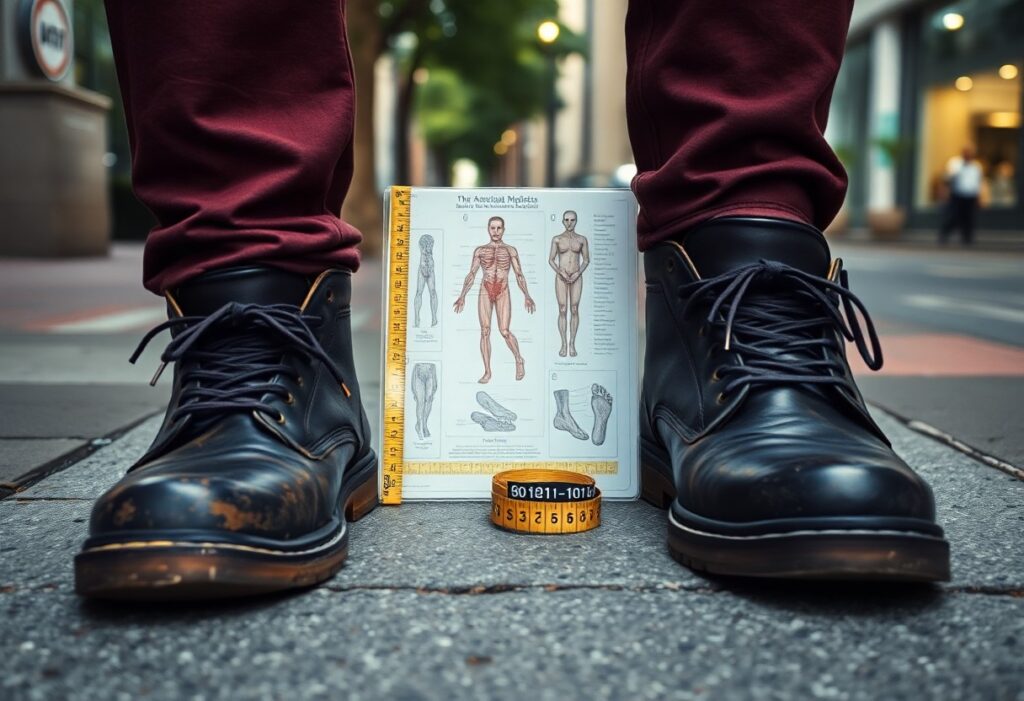
Yes—some shoes can contribute to walking problems, especially when the toe spring, cushioning, and support features reduce how hard your feet have to work. Over time, that can affect foot strength, walking mechanics, and pain patterns.
Quick take
If your shoes have a pronounced upward curve at the toe, heavy cushioning, or rigid support that changes how you push off, they may be making your feet do less work than they should. If you want a wider context on more natural footwear, start with barefoot shoes for walking or the broader barefoot walking shoes guide.
What To Watch For In Your Shoes
The main issue is not that shoes are inherently bad; it is that some designs quietly change the demands placed on your feet. Toe spring—the upward curve at the front of the shoe—can make walking feel easier in the short term, but it may also reduce the work done by the toes and the intrinsic foot muscles. That matters because those muscles help stabilize your foot, assist push-off, and support healthy movement with every step.
This is where the biomechanics become important. The more your footwear does for you, the less your foot may need to do. For readers comparing conventional shoes with a more natural-feeling option, the science of barefoot shoes explains why a lower-profile, less restrictive design can change walking mechanics in a useful way.
Why Toe Spring Changes The Way You Walk
Toe spring is the curved lift at the front of many modern shoes. It is often marketed as a comfort feature because it helps the shoe roll forward more smoothly, but that easy rollover comes with a trade-off: your toes may do less of the work that normally helps control and complete each step. In laboratory testing, higher toe spring has been linked to reduced muscle activity and lower propulsive demand at the front of the foot.
That reduced effort can sound like a good thing until you think about repetition. Most people take thousands of steps a day. If each step asks less from the muscles that should be helping your foot function, the long-term result may be less strength, less flexibility, and a walking pattern that depends more on the shoe than on the foot itself.
Research in this area has shown that toe spring angles in the range commonly found in modern footwear can decrease foot muscle engagement during push-off. The effect is not about one awkward step; it is about how a comfort-driven design can reshape daily loading over time.
What Changes Inside The Foot
The small muscles inside your foot help stabilize the arch, support the toes, and coordinate movement with the metatarsophalangeal joints beneath them. When a shoe lifts the toe area upward, those muscles may not need to contract as strongly. The result can be reduced intrinsic foot muscle activity, weaker push-off mechanics, and less natural load through the forefoot.
That is also why some people feel better in a more minimalist shoe after a transition period. With less interference from the sole, the foot has a chance to do more of its own stabilizing work. If you want a practical look at that approach, the page on benefits for your feet today is a useful next read.
How This Can Show Up As Pain Or Walking Trouble
Not every foot ache comes from shoes, but footwear can absolutely influence where stress accumulates. If your shoes make the forefoot less active, your plantar fascia, heel, calves, or even the chain above the foot may compensate. Over time, that can contribute to discomfort during long walks, aching after standing, or a feeling that your stride has become less efficient.
The page is not diagnosing a condition, and it should not be read as medical advice. It is pointing to a pattern: when shoes consistently reduce natural foot motion, they may contribute to the kind of walking problems people often notice first as soreness, stiffness, or fatigue. That is also why footwear mechanics are worth considering before chasing symptoms alone.
Plantar fasciitis is one common example because the plantar fascia can take on extra strain if the foot’s own support system is doing less. If that is the direction your symptoms seem to be heading, the more specific plantar fasciitis relief with Xero Shoes guide is the better follow-up.
When A Different Shoe Choice Makes Sense
If your shoes feel comfortable only because they are doing most of the work for your foot, that comfort may be masking the problem rather than solving it. A better fit for walking often means a shoe that allows the toes to spread, the forefoot to bend, and the sole to move with your stride instead of against it. That does not mean every cushioned shoe is a bad shoe. It means the shape and stiffness of the shoe should match the way you actually walk.
A few practical signs suggest it may be time to reconsider your footwear:
- your toes feel cramped or unable to help with push-off;
- the shoe bends mostly in the middle instead of where your foot naturally flexes;
- you notice foot fatigue earlier in the day than you used to;
- you feel better in flatter, lighter, or more flexible shoes than in heavily built ones.
If you are trying to make the switch gradually, start with short walks or lower-stakes daily wear. That gives your feet time to adapt while you evaluate whether the new shoe actually improves comfort, mechanics, and endurance rather than just offering a different feel.
A useful next step
If your goal is to keep walking comfortably while reducing the chance that footwear is working against your feet, it helps to compare models built around natural movement. Start with the broader Xero Shoes benefits guide or browse the walking-focused barefoot shoes category to see how lower-interference footwear differs from conventional designs.
If you are already focused on a transition plan, the transition tips for barefoot shoes article is the natural companion piece.
The Bottom Line
Shoes can contribute to walking problems when their design changes how your foot is supposed to move. Toe spring is the clearest example here: it can make shoes feel smooth and easy, but it may also reduce the work done by the toes and intrinsic foot muscles. Over time, that can affect strength, flexibility, and the way force moves through the foot.
If your shoes are comfortable but your feet feel weaker, stiffer, or more painful after regular walking, it is worth looking at the shoe design before assuming the problem is just “normal aging” or random soreness. The best choice is often the one that supports natural movement rather than replacing it.
Frequently Asked Questions

Henry Harrington is a passionate author and content creator at My Shoes Finder, where he explores a wide range of topics related to footwear, lifestyle, and personal growth. With a keen eye for detail and a love for storytelling, Henry engages readers by sharing insights, tips, and personal anecdotes that resonate with his audience. His commitment to delivering high-quality content has established him as a trusted voice in the online community, inviting readers to step into new perspectives and discover their unique paths.
See also:
 What Toe Spring Is — And When It Matters For Your Feet
 Xero Shoes For Children In 2025: Fit, Safety, And Best Models
 Xero Shoes For Bunions: What Helps, What Doesn’t, And Which Models Fit Best
 Xero Shoes For Plantar Fasciitis In 2025: Evidence, Benefits, Risks, And Best Practices
 Widest Xero Shoes for Wide Feet: Models & Fit Guide
 Xero Shoes For Nurses: Best Picks For 12-Hour Shifts

I’ve been thinking a lot about how our footwear choices impact not just our feet but our overall health. It’s surprising how something we consider purely functional can actually undermine our body’s natural mechanics. I’ve experienced this firsthand when I switched to more minimalist shoes after dealing with foot pain for a while.
It’s interesting to hear you mention your journey with footwear choices, especially how it has extracted a personal experience and understanding. Many people tend to overlook how intricately our shoes influence not just foot comfort, but our entire body mechanics. It’s almost like a hidden variable in our daily lives.
You’re hitting on something really important here. Footwear is often just a background element in our lives, but it plays a surprising role in how we move and feel every day. It’s fascinating how a simple switch in what we wear on our feet can lead to noticeable changes in our overall well-being.
You’re spot on about footwear being more than just an afterthought. It’s interesting how our society places so much emphasis on fashion and aesthetics, yet we often neglect how our shoes affect our health and movement patterns. Think about it: a comfortable pair of shoes can change everything from the way we walk to how our joints feel at the end of the day.
You’ve touched on something that doesn’t get nearly enough attention. It’s true—often, footwear is seen as just another accessory or something we grab at the door, but it truly influences our daily rhythms in more ways than we realize. When you think about it, shoes are our primary connection to the ground and the world around us. They shape not only our stance but also our confidence and energy levels.
You’re hitting on something really important here. I’ve often thought about how footwear is typically such a mundane part of our daily lives, yet it can have a profound impact on our physical and mental well-being. For instance, I used to wear a lot of trendy shoes that looked great but weren’t very supportive. It wasn’t until I switched to footwear designed for comfort and support that I noticed improvements not just in my posture, but also in my energy levels throughout the day.
It’s interesting to consider how our choice of footwear affects us daily, and I recently came across some practical tips on how to keep our shoes in good shape for longer, which might be just what we need to enhance our well-being even more.
‘Tips for extending the life of your shoes’
https://myshoesfinder.com/tips-to-prolong-your-shoes-lifespan/.
You’re so right about the role of footwear; it often goes unnoticed until we really start to pay attention. I’ve noticed in my own life that the type of shoes I wear can determine how energetic I feel throughout the day. It’s interesting to think about the nuances—like how wearing something supportive versus something fashionable can change not just how my feet feel, but my whole posture and mood.
You make a great point about the connection between footwear and our overall well-being. It’s a fascinating dynamic when you consider how something as simple as a shoe can significantly affect our daily experience. On a day when you opt for supportive footwear, it’s almost like the world feels a bit lighter; you carry yourself differently, and that change can lift your mood too.
This is such an intriguing perspective on shoe design and its implications for foot health. I’ve often marveled at how much thought goes into creating comfortable shoes, yet I hadn’t considered the potential long-term consequences for our foot muscles.
It’s great to hear you connected with the topic. Shoe design really is a fascinating blend of art and science. When we think about comfort, we often focus on materials and cushioning, but the role shoes play in muscle development is often overlooked.
You raise such an interesting point about how shoes can affect muscle development—it’s something that doesn’t get as much attention as it deserves. I’ve been reading about how different types of footwear can influence our gait and posture, which has a ripple effect on the muscles we engage while walking or running.
You’ve touched on such an important aspect of footwear that often flies under the radar. The relationship between our shoes, gait, and overall posture truly shapes the way our muscles develop over time. It’s fascinating how something as simple as the soles of our shoes can alter not just how we walk or run but also the intricate way our muscles engage.
It’s interesting to think about how the evolution of shoe design reflects not just style but also our understanding of health. It’s true that comfort has become a significant focus in recent years, especially with the rise of athleisure. Brands are increasingly highlighting foot health in their marketing, but it’s important to dig deeper into what that means for our muscles and overall body mechanics.
You’ve brought up an essential point about the intersection of shoe design, style, and health. It’s fascinating how the conversation around footwear has shifted over the years. Comfort is no longer an afterthought; it’s front and center, especially with the explosion of athleisure.
You’ve really captured what’s happening in the footwear industry. The shift towards prioritizing comfort in design is something I’ve noticed too, especially with the rise of athleisure. It seems like we’ve moved away from the notion that style and comfort are mutually exclusive.
It really is fascinating how shoe design has evolved alongside our understanding of not just style, but health as well. I find it interesting that as athleisure gained popularity, it opened up a broader conversation about what really makes a shoe supportive and comfortable. Many brands now tout features designed to promote foot health, but as you pointed out, there’s a lot more to consider when it comes to overall body mechanics.
I recently came across some insights on shoes that really dive into how comfort and health are becoming central to design, which made me think of a brand that’s really committed to that philosophy.
‘Groundies Shoes: Step into Comfort with Groundies Shoes!’
https://myshoesfinder.com/barefoot-shoes/groundies-shoes/.
You make a great point about the evolving relationship between shoe design and our understanding of health. It’s fascinating how the blend of fashion and functionality is shaping more than just our closets; it’s impacting how we approach daily comfort and mobility. With the surge of athleisure, brands are definitely tapping into the idea that what we wear on our feet should support our bodies.
You hit the nail on the head with that observation about the mix of fashion and functionality. It’s interesting how the way we think about footwear has evolved alongside our lifestyles. Athleisure has really changed the game, hasn’t it? It’s not just about what looks good anymore; it’s about how those shoes feel and perform when we’re going through our day-to-day routines.
It’s great to hear you found the perspective on shoe design and foot health interesting. It’s such a multifaceted topic, isn’t it? Most of us slip on our shoes without really considering all the nuances of how they affect our feet over time.
You’re right, it’s definitely a multifaceted topic. I’ve been thinking a lot about how our shoes not only serve as protective gear but also interact with our posture and overall body mechanics. It’s fascinating to consider that something so seemingly mundane has such a profound effect on our health. It’s often the small details we overlook that can lead to bigger issues down the line.
Your insights into the impact of shoe design on foot health are quite thought-provoking and certainly warrant a deeper exploration of our daily footwear choices. I’ve often found myself drawn to shoes that prioritize comfort and aesthetics over functionality, and while they may feel good in the short term, I’ve come to realize the potential long-term consequences they could inflict on my foot health.
You bring up an important point about the balance between comfort, aesthetics, and functionality in our shoe choices. It’s interesting how much influence marketing can have on what we think we need versus what actually keeps our feet healthy. Many people often prioritize that immediate comfort without considering how hard their shoes might be working against them in the long run.
It’s interesting how we often choose footwear based on immediate comfort and style without fully considering the possible long-term effects. It’s a bit like a short-term relationship — it can feel great initially, but there could be hidden consequences down the road.
You’ve touched on a really important point. So often, we get drawn in by the idea of immediate comfort and style when it comes to footwear, but those short-term vibes can mask deeper issues. It’s interesting to think about footwear like a relationship—you might feel great in those cute shoes or trendy sneakers at first, but how do they treat you over time?
You’ve really captured something profound in that analogy. Footwear definitely parallels relationships in so many ways. I think about how often we prioritize looks over comfort, both in shoes and in the people we surround ourselves with. Those initial feelings of excitement can sometimes blind us to the eventual consequences. I’ve had my fair share of flashy pairs that left my feet sore after a few hours—in hindsight, it feels symbolic of investing in something that seems appealing without considering long-term effects.
You’re right on point with that analogy. It really does feel like a relationship sometimes, doesn’t it? We often get swept up in the allure of trendy designs, feeling like they fit our vibe perfectly at first. But as the days turn into weeks, those cute shoes can turn into a real pain—literally and figuratively.
It’s great to hear your thoughts on this; the tension between comfort, aesthetics, and functionality in footwear is a common struggle. Many of us gravitate toward styles that catch the eye or feel cozy right off the shelf, often ignoring subtle cues that our feet might not be celebrating the choice in the long run.
You bring up a key point about the trade-offs we make with footwear. It’s so easy to get caught up in how a pair looks or feels right away, but as you mentioned, our feet often have a different voice that we ignore. I’ve found that a little extra time spent trying on shoes can reveal a lot. Sometimes a style that looks perfect might just be a litmus test for sore spots down the line.
You’ve captured that tension perfectly. It’s funny how we can sometimes prioritize what looks good or feels comfy right away, only to end up regretting our choices later. I’ve definitely experienced that with shoes that felt great in the store but became painful after a few hours of wear.
You’ve touched on something really important—those choices that seem so right in the moment but can turn on us later. It’s fascinating how our brains often go for immediate comfort or visual appeal, like those enticing shoes that feel good at first but then betray us after just a few hours. It’s like a small metaphor for life, isn’t it?
You’re so right about those little choices we make that can have such a significant impact down the line. It’s interesting how our desire for instant gratification often overrides our need for long-term comfort or durability. I’ve definitely experienced that with fashion—like those gorgeous boots that look perfect in the store but leave my feet protesting after just one outing.
You’ve hit on something really important. That initial comfort can be so deceptive. With shoes, it’s almost like they lure us in with that perfect fit at first, but then the reality sets in after a few hours. It’s interesting to think about how this applies beyond just footwear—like in life choices or even relationships. We often go for what seems appealing at the moment, only to realize later that we might need more support or durability than it initially offered.
It’s interesting how our perceptions of what makes a shoe desirable can shift over time. I used to prioritize the same blend of comfort and aesthetics, thinking that as long as they looked good, I was set. But over time, I’ve become much more aware of the broader implications of those choices on foot health.
It’s interesting how our choices in footwear can reflect a balance between style and comfort, isn’t it? I’ve definitely found myself in the same boat, often drawn to shoes that look good but might not offer the support I need. It made me think about how societal trends push us towards specific aesthetics—sometimes at the expense of our well-being.
I came across an interesting take that dives into whether barefoot shoes hold up for hiking in wet conditions, and it really got me thinking about how our footwear choices align with both comfort and foot health.
‘Are Barefoot Shoes Good for Hiking in Wet Conditions?’
https://myshoesfinder.com/are-barefoot-shoes-good-for-wet-hiking/.
This really resonates with me, as I’ve often found myself choosing comfort over foot health, especially after long hours on my feet. It’s fascinating how something as seemingly innocuous as toe spring can have such a profound impact on our foot strength and flexibility. I recently started exploring minimalist footwear, and I’ve noticed a difference in how my feet feel after a day of wear. It’s interesting to think about how our choices in shoes reflect broader cultural trends towards convenience and comfort at the expense of our natural body mechanics.
It’s so refreshing to hear your perspective on this. The struggle between comfort and foot health is something many of us can relate to, especially in a world where ease often takes precedence. After long hours on our feet, it’s tempting to gravitate toward shoes that feel good right away, but as you pointed out, that toe spring and cushioning can lead to long-term issues.
It’s great to hear that you’re exploring minimalist footwear! It’s such a shift from the norm, but the benefits can be pretty noticeable. That shift towards convenience does play a big role in our shoe choices, often leading us to prioritize style or comfort over the health of our feet. It’s interesting when you start paying attention and realize how much the design of a shoe can dictate how we move, not just our comfort level.
It’s really great to hear that you’re exploring minimalist footwear and experiencing positive changes. There’s certainly a lot to unpack when we talk about foot health, especially in relation to how our everyday choices influence it. It’s almost surprising how something like toe spring, which many of us might never think twice about, plays a vital role in how our feet function.
It’s interesting how something as simple as toe spring can impact our daily comfort and overall foot health. Many people overlook those little design choices in footwear, but they really do affect how we walk and feel throughout the day. By shifting focus to minimalist footwear, it becomes easier to appreciate the natural movement of our feet and how they were designed to function. It’s like rediscovering our bodies in a way. Have you noticed any specific benefits, like changes in posture or reduced fatigue? It’s fascinating to think that even small shifts can lead to significant improvements in our well-being.
It’s interesting how something like toe spring, which seems so minor, can have such a ripple effect on our overall foot health and even our posture. I’ve noticed that since I’ve started exploring minimalist footwear, not just my feet but my entire body feels more aligned. I used to think of shoes mainly in terms of style and comfort, but now it’s fascinating to consider how each design feature might change the way I move.
You’ve touched on a really important point about how seemingly minor design features in footwear, like toe spring, can have a significant impact on our overall body mechanics. It’s fascinating to think about how something that might appear trivial at first glance can influence the way we move and feel. Your experience with minimalist footwear highlights a shift in perspective that many people are starting to embrace.
It’s great to hear how much you resonate with the discussion on toe spring and foot health. Many people don’t realize how much our footwear choices can shape the way we move and feel on a daily basis. Your experience with minimalist footwear is particularly interesting, as it highlights a growing trend in how many are reevaluating their relationship with shoes.
The connection between footwear and our daily movement really is fascinating, isn’t it? I used to overlook how much my shoes influenced not just my foot health, but my overall well-being and posture. It took trying out minimalist footwear for me to truly appreciate the difference. Those initial adjustments required a mindful approach—working on strengthening my feet and recalibrating my walking style was enlightening.
It’s great to hear your experience with minimalist footwear! It’s so eye-opening to realize how much our shoes impact not just foot health but our entire body’s alignment and movement. I’ve also found that going minimalist really makes you pay attention to how you walk and move. It can feel a bit daunting at first, right? The process of strengthening your feet and adjusting your gait takes some commitment, but it can be liberating.
It’s great to hear how much your experience with minimalist footwear has shifted your perspective on foot health. Many people don’t realize how pivotal the right pair of shoes is to overall comfort and well-being, especially after those long hours standing or walking. It’s almost like we’ve been conditioned to prioritize style and convenience over what’s really good for our bodies.
It’s interesting how shoes can be such a subtle yet powerful factor in our daily lives. I agree that many people have prioritized style and convenience over health. I used to think comfort meant sacrificing aesthetics, but minimalist footwear has really changed my perspective on that. I have found a few brands that combine both style and foot support, which is refreshing.
I appreciate your reflections; it sounds like you’ve been on quite the journey with your footwear choices. The balance between comfort and foot health is something many of us grapple with, especially when faced with long hours on our feet. It’s easy to lean toward shoes that feel good at the moment, but the long-term effects can sometimes catch us by surprise.
I completely relate to the struggle of finding that balance between comfort and foot health. It’s interesting how our footwear choices can reflect not just our personal preferences but also our lifestyle demands. There have been times when I chose style over comfort, thinking I could tough it out, only to realize later that my feet were paying the price.
Finding that balance between comfort and foot health is a real challenge, isn’t it? Many of us have been there—caught in that moment where a stylish pair of shoes seems more appealing than the squeaky-clean sneakers or supportive sandals that do wonders for our feet. The allure of a trend can be hard to resist, especially if we want to make a statement or fit in with a certain crowd.
Finding that balance between comfort and foot health can really feel like a tightrope walk, can’t it? I’ve definitely experienced that pull towards stylish shoes that look great but leave my feet protesting by the end of the day. It’s interesting how trends can so easily take the front seat, often pushing comfort to the background.
Finding that balance really is like walking a tightrope. I’ve definitely fallen into that trap of prioritizing style over comfort more times than I’d like to admit. It’s almost like there’s this unwritten rule that to look good, we have to endure some level of discomfort, which seems so counterintuitive, right?
I totally get that struggle; I recently came across some lace-up barefoot sandals that might just strike that right balance between comfort and style—thought you’d find them worth a look!
‘Lace-up Barefoot Sandals’
https://myshoesfinder.com/xero-sandals/lace-up-barefoot-sandals/.
Finding that balance between comfort and foot health is definitely a challenge many of us can relate to. It’s fascinating how our choices in footwear can reflect not just personal style, but also the pressures from trends. Many stylish shoes promise the world but often neglect the fundamental need for support and comfort.
You bring up a great point about the intricate dance between comfort and style when it comes to footwear. It’s fascinating how our shoes can serve as a reflection of not just who we are but also what we need from day to day. A pair that looks fantastic might have us strutting with confidence one moment and regretting every step the next. I’ve certainly had my share of shoes that seemed like the perfect choice until I was a few hours in and wishing I had opted for something more forgiving.
It’s interesting to hear your experience with toe spring and the shift towards minimalist footwear. You’re spot on about how our shoe choices often mirror a wider cultural inclination, favoring convenience over the well-being of our feet. It’s easy to prioritize comfort in the moment, especially after a long day on our feet. Many of us gravitate toward shoes that offer that soft cushioning or that “squishy” feeling, without considering how they might be impacting our foot mechanics in the long run.
It’s fascinating to consider how our shoes, which we often see as mere essentials for comfort, play such a crucial role in our foot health. I’ve noticed a difference since switching to more minimalist footwear—my foot strength has improved, and I feel more connected to the ground. While the technology in modern shoes undoubtedly enhances comfort, it’s intriguing to think about the long-term effects of these designs on our biomechanics.
It’s really interesting to hear your experience with minimalist footwear. There’s a lot to unpack when it comes to how our shoes impact not just our comfort but also our overall foot health and biomechanics. It’s almost like we’ve been on this long journey of shoe technology, right? From those heavily cushioned sneakers designed to absorb every impact to the lightweight, low-profile shoes that let us feel the ground again.
I completely agree that there’s a lot to unpack when it comes to footwear and its impact on our bodies. My own journey with shoes has really opened my eyes to just how much they can influence not only comfort but also our overall foot health and posture. It’s fascinating how we’ve moved from those heavily cushioned sneakers to more minimalist designs, which almost feels like a return to our roots in a way.
It’s interesting you mention the shift from heavily cushioned sneakers to minimalist designs. I find that it really reflects a broader trend in how people are thinking about health and wellness today. It’s not just about comfort anymore; it’s about understanding how our choices affect our bodies over time.
You make a great point about how our choices impact our bodies over time. It’s fascinating to see how this shift towards minimalist designs in sneakers aligns with a more holistic view of health and wellness. For many people, it seems to be moving beyond just physical fitness—it’s about cultivating a deeper understanding of how our bodies function and what they really need.
You’re so right about that shift in perspective. It’s interesting how the minimalist design trend in sneakers reflects a larger cultural movement toward simplicity and mindfulness in our lives. I’ve found that when I pay more attention to my body and what it needs—whether it’s the right footwear, nutrition, or movement—everything seems to fall into place more cohesively.
You’ve touched on a really intriguing aspect of the sneaker evolution. It’s true that minimalist designs aren’t just about aesthetics; they encourage us to think about our connection to movement and how we can support our bodies. This shift reflects a broader trend where people are becoming more attuned to their individual needs and preferences, rather than just following fitness fads.
It’s interesting how our footwear choices can reshape not just our comfort but also our overall foot health. I’ve also explored minimalist footwear and noticed similar benefits; it feels like my feet are finally getting to do what they were designed for. Modern shoes can feel great and protect us, but they often support and cushion in ways that might not align with our natural movement patterns over time.
It’s so interesting that you’ve experienced a noticeable difference with minimalist footwear. There’s something to be said about how our bodies adapt to different forms of support. I’ve dabbled in minimalist shoes myself and found a similar sense of being grounded, like my feet are finally allowed to move as they were intended. It does make you wonder about the balance between the technology that aims to protect and enhance our feet versus our innate biomechanics.
This really hits home for me. I’ve always prioritized comfort in my shoes, thinking that’s the key to getting through long days on my feet, especially when I was working in retail. But after dealing with plantar fasciitis for what felt like forever, I started to wonder if the shoes I was living in were more of a hindrance than a help. The whole toe spring concept is fascinating, and when I think about it, my beloved sneakers definitely have that little curve at the front.
It’s interesting how our perspectives on comfort and support can shift, especially after experiencing something like plantar fasciitis. Those sneakers, which we often see as our reliable go-tos, can sometimes throw us off balance—literally! The slight curve, or toe spring, is designed to help with propulsion, but it can also push the foot into positions that don’t feel great during long hours of being on our feet.
You bring up such a crucial point about our sneakers often being both a comfort and a source of discomfort, especially when we experience something like plantar fasciitis. It’s fascinating how something we rely on so heavily can sometimes leave us feeling off balance, both physically and figuratively. I’ve definitely found that the design elements we take for granted, like the toe spring, can have a significant impact, particularly when we’re on our feet for long stretches.
I totally hear you on that. Comfort tends to be the first thing we look for in shoes, especially when you’re on your feet all day. But plantar fasciitis can really flip the script on what you think is helping you. It’s interesting how we can get so attached to certain shoes without realizing they might actually be contributing to our pain.
This post really strikes a chord with me! I’ve recently started reevaluating my shoe choices after experiencing some foot discomfort that I chalked up to the daily grind. It’s fascinating to think about how the sleek designs we often associate with comfort might actually be hindering our foot health in the long run.
Ah, the classic case of “comfort vs. catastrophe”! I’ll admit, I’ve been seduced by the plush embrace of toe spring more times than I can count. Who knew those cloud-like shoes could turn me into a sofa potato for my feet? It’s like having a cozy couch strapped to my legs while my poor foot muscles cry for freedom!
You’ve hit on something really important here. That “plush embrace” of toe spring can feel incredibly inviting, but it can also be a bit deceptive. Many people find themselves entranced by these super-soft shoes that promise comfort, but it’s interesting to consider how that extensive cushioning might actually influence our foot strength and posture over time.
You’ve touched on a significant point about the allure of those cushy shoes. It’s easy to feel drawn in by that inviting softness, especially after a long day on our feet. Many of us are searching for comfort, and shoes that offer that plush embrace can seem like a perfect solution. But as you pointed out, the downside of all that cushioning is something we should all keep in mind.
I find this discussion on the impact of shoe design on foot health particularly insightful. As someone who uses an active lifestyle as both an athlete and a professional, I’ve often been torn between the allure of stylish shoes and the genuine need for foot health. Your points about toe spring are especially compelling—I had always assumed that those curved toes were just a design choice aimed at maximizing comfort during long hours on my feet.
It’s great to hear your perspective, especially as someone who juggles an active lifestyle both as an athlete and a professional. That balance between style and foot health is something many of us grapple with. It’s easy to be drawn in by a sleek design, but when you think about the demands on your feet, those choices take on an entirely different weight.
I really appreciate your insights on the balance between style and foot health. As someone who’s been both an athlete and a professional, I often find myself caught in that tug-of-war as well. There are certainly days when aesthetics might win out, but I’ve learned the hard way that my feet really do need reliable support, especially after long hours on my feet transitioning from the gym to meetings.
I found this insightful guide on shoe trees that nicely balances the demands of style and foot health, which might resonate with anyone trying to maintain that perfect equilibrium in their active lives.
‘Comprehensive guide to shoe trees types benefits and how to choose the best’
https://myshoesfinder.com/shoe-trees-types-benefits-and-selection-guide/.
You raise such an important point about the hidden costs of comfortable footwear. I’ve often felt the pull between wanting shoes that offer comfort and the nagging voice reminding me of the importance of foot health. Like you mentioned, the design features that prioritize comfort, such as toe spring, can create a false sense of security, masking underlying issues that can develop over time.
You’ve touched on a really compelling tension that a lot of us experience. The allure of comfortable footwear is hard to resist, especially with hectic lives where we’re on our feet constantly. But as you pointed out, that comfort can sometimes hide more complicated issues underneath.
I’ve definitely found myself rethinking my shoe choices after reading this! I’ve been wearing these super cushy sneakers for years, thinking they were the best for my arch support. But I recently started feeling some discomfort that I now suspect might be due to how they alter my foot mechanics. It’s interesting to think about how something as simple as toe spring can actually weaken our foot muscles.
It’s really interesting how our shoes can have such a big impact on how we feel, right? Those cushy sneakers might feel great in the moment, but it’s great that you’re noticing how they could be affecting your foot mechanics. It’s like our feet have their own ecosystem that can be disrupted by the tiniest changes.
It’s definitely surprising how our footwear can influence not just comfort but overall foot health. I used to think that more cushioning meant better support too, but I’ve learned that it can sometimes mask issues rather than solve them. The discomfort you’re feeling might be your body signaling that the shoe isn’t allowing for natural movement.
You raise an important point about the relationship between cushioning and support in footwear. It’s interesting how many people, myself included, can fall into the trap of thinking that more cushioning equates to better support. But as you’ve experienced, that extra padding sometimes ends up masking issues rather than providing true comfort or alignment.
It’s fascinating how something as seemingly minor as shoe choice can have such a ripple effect on our feet, isn’t it? Cushy sneakers do feel great, but you’re spot on about how they can mess with natural mechanics. That toe spring can cozy up those toes but stop them from working as they should.
Isn’t it funny how we often sacrifice our foot health for the sake of a “comfy” shoe? I mean, who doesn’t love a good pair of loafers that feel like pillows on your feet? But it turns out those cushy delights could be stealthily turning us into less-than-ideal foot athletes. I used to strut around in my memory-foam sneakers, feeling like I was walking on clouds, but now I’m starting to wonder if I was actually just sinking into a marshmallow pit instead.
You’ve nailed a fascinating point about our relationship with shoes and foot health. The lure of that cushy feel is hard to resist, especially after a long day, right? It’s like the perfect little escape; who wouldn’t want to slip into something that feels like a soft embrace for our feet? But, as you’ve discovered, comfort can sometimes come with a hidden cost.
You bring up such an interesting angle on the whole shoe comfort debate. It’s true; after a long day, who wouldn’t want to feel like their feet are wrapped in a cloud? I’ve definitely found myself gravitating toward those plush options, especially during busy weeks where I’m on my feet a lot. It’s almost like a little reward for getting through the day.
You really hit the nail on the head with that reflection on shoe comfort. It’s fascinating how much our footwear choices can affect our daily experience. When you’re on your feet for long hours, it’s not just about style; it becomes a necessity to find shoes that genuinely support and comfort you. That feeling of your feet being ‘wrapped in a cloud’ can truly make a difference at the end of a hectic day.
You make such a great point about the trade-off between comfort and foot health. It’s easy to get lured into that marshmallowy bliss, especially when it feels like we’re walking on clouds. I’ve definitely had my fair share of “comfy” shoes that I thought were a dream, only to realize later how they might be impacting my posture and overall foot strength.
You’ve captured a really important piece of the puzzle when it comes to choosing the right shoes. It’s so tempting to slip into those super cushy options, isn’t it? Walking on clouds feels amazing in the moment, but as you said, our bodies often have a different story to tell later on.
You’re spot on about that trade-off between comfort and foot health. It’s tempting to go for the shoes that feel like a dream when you first try them on, but as you’ve experienced, they can sneak up on you in terms of long-term impact. I think it’s fascinating how much our footwear choices influence not just our foot health, but our posture and even how we carry ourselves throughout the day.
I get what you mean about that comfy temptation—it’s interesting to think about how our choices in footwear, especially for kids, can shape not just comfort but also their foot health and development over time.
‘Child Foot Development: Barefoot Vs Shod Effects On Arches And Gait’
https://myshoesfinder.com/pediatric-foot-development-barefoot-vs-shod-impact/.
You’ve hit on something really interesting with comfort versus foot health. It’s so tempting to reach for those shoes that feel like a hug for your feet, but sometimes they can end up doing more harm than good. When we sink into that cushy feel, it might feel nice in the moment, but our feet can lose that necessary support and stability.
You’ve made some great points about the balance between comfort and foot health. It’s such a fine line, isn’t it? I remember when I first started prioritizing comfort in shoes—I thought I was making the right choice, but over time, I really began to notice issues with my arches and some discomfort in my knees. It seemed like a paradox at first; I was wearing what felt good, and yet my body was telling me otherwise.
You’ve hit on a topic that strikes a chord with anyone who has ever spent a day on their feet. It’s funny how we often prioritize comfort over function when it comes to footwear, isn’t it? I mean, who hasn’t found themselves enamored with a pair of shoes that felt like walking on clouds, only to later discover that those very clouds were (surprise!) more like marshmallows—soft and cozy on the surface but lacking the structural integrity to hold up for the long haul.
You’ve nailed a key point there. It’s interesting how our love affair with footwear often blinds us to what’s truly necessary for our feet. The allure of those “cloud-like” shoes can be tough to resist, but as you noted, it’s not long before we’re reminded that comfort without support can lead to some serious foot fatigue.
I have to say, your insights about shoes got me doing some serious foot soul-searching—pun intended. I mean, who knew our beloved footwear could be secretly plotting against us like some kind of Dr. Shoe-evil mastermind? The toe spring betrayal is real! I always thought my shoes were like supportive friends, cradling my feet in a cushy embrace; turns out they might actually be those friends who cheer you on while simultaneously grounding you with negative reinforcement.
It’s funny you mention the “toe spring betrayal.” I’ve definitely had that revelation myself about shoes being like those well-meaning but ultimately misguided friends. You know, the ones who don’t quite get what you really need. It’s interesting how much our choice in footwear can affect our overall wellness. I recently read about how popular running shoes, despite their cushioning, can actually alter your natural stride in a way that might lead to longer-term issues. The balance between style and function seems like a tricky dance we’re all trying to master.
I can relate to that “toe spring betrayal” moment—it feels like a lightbulb going off. Shoes can be tricky. When I first started running, I dove headfirst into all the flashy, cushy shoes that were marketed as the best thing for comfort and performance. But over time, I definitely noticed how they impacted my stride. It’s almost like they were creating an illusion of support while subtly steering me away from my natural form.
Speaking of footwear insights, I recently stumbled upon a piece that explores how a specific shoe style can actually help ease the discomfort of plantar fasciitis—definitely worth a look if you’re navigating that tricky balance of comfort and support.
‘Plantar Fasciitis Recovery in Xero Shoes: 47% Pain Reduction Protocol Validated’
https://myshoesfinder.com/xero-shoes-47-pain-reduction-for-plantar-fasciitis/.