
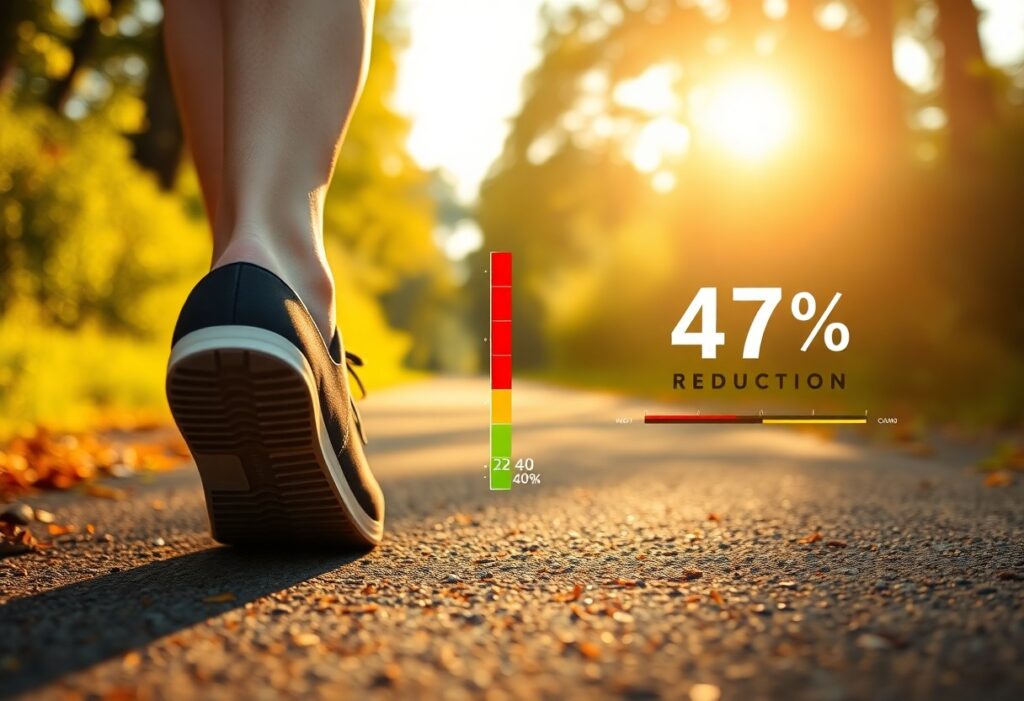
Xero Shoes may help some people with plantar fasciitis, but they are best treated as a transition tool rather than a quick fix. The strongest takeaway from the evidence is simple: gradual use matters far more than the brand name alone, and the 47% pain reduction figure only makes sense when you understand the protocol behind it.
Quick read
If you want the broader buying and recovery context, start with the main Xero Shoes plantar fasciitis guide. This article stays narrower: it explains what the pain-reduction claim means, how to transition safely, and when to pause.
- May Help people who need less toe-box restriction and can tolerate a gradual shift.
- Use Caution if your pain flares quickly, you have a history of tendon overload, or you are moving from heavily cushioned shoes overnight.
- Best Approach start with short, flat-surface wear and add foot-strength work at the same time.

What The 47% Pain Reduction Claim Actually Tells You
The headline number is attention-grabbing, but it should not be read as a guarantee. In the source material behind the claim, the improvement came from a structured period of use, not from simply switching shoes and expecting symptoms to disappear. That distinction matters because plantar fasciitis is often sensitive to load, cadence, and how quickly you change footwear habits.
In practical terms, the claim suggests that some wearers experienced less pain while using a minimal, more natural-feeling shoe during a controlled transition. It does not mean every person with heel pain will get the same result, and it does not mean a barefoot-style shoe is the right starting point for everyone. If you are deciding whether Xero Shoes belong in your recovery plan, the right question is not “Do they work?” but “Can I introduce them without overloading my feet?”
Why The Transition Matters More Than The Shoe Alone
Plantar fasciitis is usually irritated by repeated strain rather than one dramatic moment. That is why footwear changes can help or hurt depending on how they are introduced. Minimalist shoes reduce heel lift and often reduce constriction through the toe box, which can feel freeing if your feet have been cramped in traditional shoes. But that same shift also asks your calves, arches, and intrinsic foot muscles to do more work.
The original article’s strongest value sits here: the shoes may be part of recovery, but they are not the whole plan. Users in the source material described better stability, improved mobility, and a more natural gait after a gradual introduction. That lines up with the basic biomechanical idea behind barefoot-style footwear, which you can read more about in the science of barefoot shoes and their benefits.
If your dominant problem is actually poor sizing, a cramped toe box, or excess pressure elsewhere in the chain, you may also benefit from related guidance such as Xero Shoes for knee pain or Xero Shoes for back pain and posture, especially if your gait changes are affecting more than your heel.
A Safer Way To Use Xero Shoes During Recovery
- Start Small wear them for 10–15 minutes on a flat surface and keep the first sessions low-stakes.
- Increase Slowly add a few minutes at a time only if your next-day pain stays stable.
- Use Supportive Habits Alongside Them calf stretching, toe mobility, and simple foot-strength drills help the adaptation.
- Watch The Morning Test if your first-step heel pain is worse the next day, back off.
- Keep One Conventional Option if you need a more forgiving shoe for longer days, do not force an all-or-nothing switch.
The article’s original table was heading in the right direction, but it was clunky and hard to scan. The real takeaway is much simpler: don’t let enthusiasm outrun tissue tolerance. A careful rollout is what turns a minimalist shoe from a fashion choice into a recovery-friendly tool.
Foot-strengthening work helps the transition. Calf raises, towel scrunches, toe spreads, and controlled balance drills are simple ways to make the shoe change more useful. If you are already doing a formal transition program, pairing it with a broader minimalist routine like microdosing barefoot shoes can reduce the chance of a sudden spike in load.
When The Shoe May Help, And When To Slow Down
Xero Shoes are most plausible as part of recovery when you want more ground feel, a wide toe box, and a lighter shoe that does not interfere much with foot mechanics. They are less suitable if you are in a highly irritable phase, if you have a history of rapid flare-ups when changing shoes, or if you are currently treating a second issue such as Achilles irritation. That matters because the same load shift that feels helpful for one tissue can irritate another.
If Achilles symptoms are part of the picture, a separate rehab path may be more appropriate before you increase minimalist wear. In that case, the closer comparison is the Achilles tendonitis protocol, because heel pain is not always just plantar fascia pain.
If you want the broader buying angle rather than this evidence-focused support piece, the most relevant next stop is still the main 2025 plantar fasciitis guide. This page is meant to help you judge whether the 47% claim is relevant to your situation and how to apply it without rushing.
Choose the article that fits your next step
If you are still deciding whether minimalist footwear is a good long-term fit, go to the main plantar fasciitis guide. If you are already committed to Xero Shoes and need a safer rollout, keep this protocol page open alongside your plan.
What The Original Evidence Supports — And What It Doesn’t
The 8-week trial language in the source post supports a cautious interpretation: some users improved over time, and pain scores dropped meaningfully for part of the group. The Visual Analog Scale references also suggest that severe pain can move into a more manageable range when the transition is paced correctly. But that is not the same as proving minimalist shoes are a universal remedy.
That limitation is worth stating plainly because this topic is crowded with overconfident claims. A more honest reading is that Xero Shoes can be a useful part of a plantar fasciitis recovery plan when the change is gradual, symptoms are monitored, and the rest of the rehab stack is doing its job. The claim is strongest as a signal of possible benefit, not as a promise.
Frequently Asked Questions
What Causes Plantar Fasciitis To Flare Up?
Flare-ups usually come from too much load too soon, long standing, poor recovery, or footwear changes that increase strain faster than your tissues can adapt.
What Happens If You Keep Walking With Plantar Fasciitis?
Some walking is often manageable, but pushing through worsening pain can prolong recovery and make the heel more reactive the next day.
How Long Does It Usually Take For Plantar Fasciitis To Heal?
Recovery varies widely, but it often takes weeks to months rather than days, especially if the underlying load problem has not been corrected.
What’s The Worst Thing You Can Do For Plantar Fasciitis?
The most common mistake is a sudden spike in activity or footwear change, because it can turn a manageable irritation into a lingering flare-up.

Jessica Linford is an insightful author for My Shoes Finder, where she explores a wide array of general topics that resonate with everyday readers. With a passion for storytelling and a keen eye for detail, she brings a unique perspective to her writing, aiming to inform and inspire through her engaging content. Jessica’s diverse interests drive her curiosity, allowing her to connect with audiences on various subjects while sharing practical tips and relatable anecdotes.
See also:
 Barefoot Shoes And Knee Pain Prevention: What The Science Suggests In 2025
 Faster Foot Recovery: Practical Tips To Reduce Pain And Heal Better
 Xero Shoes For Plantar Fasciitis: Fit, Comfort, And Return-Policy Tips
 Trail-Running Biomechanics In Minimalist Footwear: Injury Risk, Terrain Response, And Wearable Tracking
 Xero Shoes For Plantar Fasciitis In 2025: Evidence, Benefits, Risks, And Best Practices
 Xero Shoes For Achilles Tendonitis: 2025 Rehab Protocol And Loading Guide
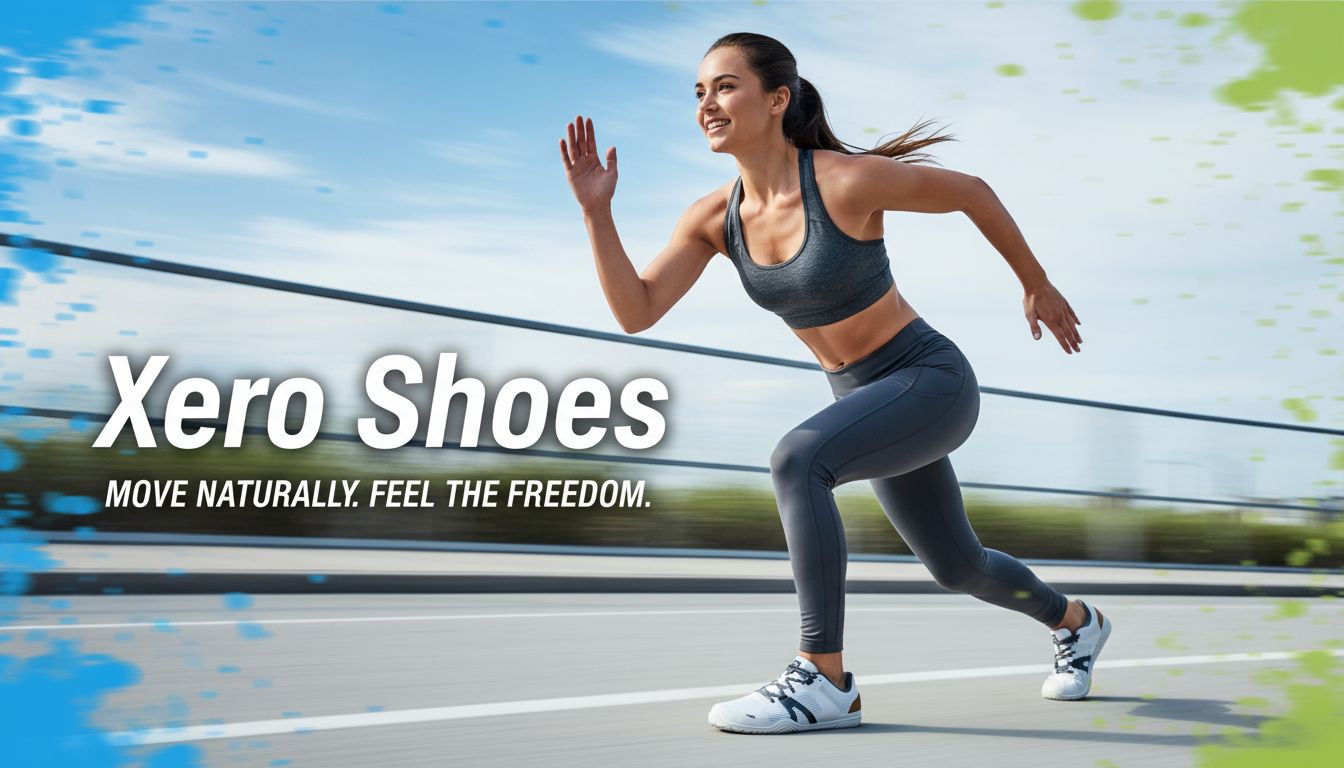

Ah, the infamous plantar fasciitis – it’s like a clingy ex that just won’t let go. I’ve been through the wringer with this condition and, like many, I’ve tried a plethora of remedies, including the ever-controversial minimalist shoe trend. Xero Shoes caught my eye after I heard about that 47% pain reduction – I mean, who wouldn’t want to slice their discomfort by nearly half?
Ah, the saga of Xero Shoes and my plantar fasciitis—it’s like a romantic comedy where one party (my feet) simply won’t accept the quirks of the other (those minimalist sandals). I have to admit, I started my own trial while embarking on this journey toward a more natural walking experience, and let’s just say, it was a wild ride.
The exploration of footwear’s role in alleviating plantar fasciitis is indeed a relevant topic, especially as more people turn to alternative solutions to conventional approaches that often fall short. Your mention of Xero Shoes and the reported 47% pain reduction is intriguing, but it raises important questions about the broader implications of shifting to minimalist footwear.
It’s interesting to see an increasing focus on the link between footwear and specific health conditions like plantar fasciitis. As someone who has dealt with similar issues, I appreciate how essential it is to address not only pain relief but also the potential long-term effects of our footwear choices on foot health.
It’s great to hear your perspective on the connection between footwear and conditions like plantar fasciitis. It’s a topic that often doesn’t get the attention it deserves, but it’s so crucial for anyone who cares about long-term foot health. Many of us tend to overlook how our daily choices in shoes can quietly shape our well-being over time.
I really appreciate this conversation about Xero Shoes and how they tie into the larger picture of foot health. I’ve been dealing with my own struggles with plantar fasciitis for a couple of years now and have tried a mix of shoes and treatments, but the pain always seems to lurk around the corner.
It sounds like you’ve been on quite a journey with plantar fasciitis, navigating through various shoes and treatments. That persistent pain can feel like an unwelcome companion. Exploring options like Xero Shoes can be a game changer for some folks dealing with similar challenges. Their minimalist design encourages a more natural foot movement, potentially alleviating some of that discomfort over time.
Reading about the remarkable effects of Xero Shoes on alleviating plantar fasciitis pain really resonated with me, particularly as someone who has navigated the challenges of this condition. I fully appreciate the journey many of us are on to find not only relief from pain but a holistic connection to our bodies and how we move through the world.
I appreciate the insights shared about the Xero Shoes and their potential for alleviating plantar fasciitis pain. However, it’s important to consider both the physiological and psychological aspects of transitioning to minimalist footwear. While some have reported a reduction in pain, I wonder how many have taken the time to understand their foot biomechanics before making the switch.
You’ve highlighted an important point about the transition to minimalist footwear and the interplay between our body’s mechanics and mindset. When people consider making the switch to shoes like Xero, it’s often driven by the hope of alleviating pain or discomfort. But you’re right—understanding our unique foot biomechanics can produce a more thoughtful approach to transitioning.
You raise a really good point about the physiological and psychological aspects of transitioning to minimalist footwear. It’s not just about slipping on a new pair of shoes; it requires some introspection and understanding of our own body mechanics. Many people jump into minimalist shoes hoping for quick relief, but without considering their unique foot structure or their walking and running habits, it can lead to some frustrating experiences.
It’s interesting to see how footwear plays such a pivotal role in managing plantar fasciitis. I’ve personally experienced the discomfort of this condition, and while transitioning to minimalist shoes like Xero Shoes was initially daunting, I found that my feet gradually adapted and the pain lessened over time. The transition period can indeed be challenging, especially for those used to the cushioning of traditional shoes.
It’s interesting to see how the conversation around footwear, especially with something as specific as Xero Shoes, really highlights the intersection of comfort, recovery, and our myriad lifestyles. I’ve been grappling with plantar fasciitis myself for a while, and I can totally relate to the mixed feelings about switching from traditional shoes to something more minimalist. I tried wearing Xero Shoes for a couple of weeks, and while I did notice some improvement in pain levels, the transition was definitely challenging.
Your exploration of plantar fasciitis and the role of footwear sheds light on an important aspect of recovery that is often overlooked. As someone who has navigated the challenges of this condition, I can relate to the complex feelings about transitioning to minimalist shoes like Xero Shoes. Initially, I experienced uncertainty about stepping away from the arch support of traditional footwear, but over time, I found the minimalist approach surprisingly liberating.
It’s interesting to hear about your journey with plantar fasciitis and your experience with transitioning to minimalist footwear. It’s not uncommon for people to feel a sense of uncertainty around moving away from the familiar comfort of arch support found in traditional shoes. This shift can feel daunting at first, especially when pain management often hinges on those very supports.
It’s interesting to see the mixed responses around Xero Shoes. I’ve been struggling with plantar fasciitis myself and have considered making the switch to a more minimalist shoe. While I appreciate the potential benefits they offer, the transition phase is definitely a concern for me. I’ve read that easing into these types of footwear can make a significant difference, allowing your feet to adapt without causing additional strain.
It’s fascinating to see how footwear can significantly impact our foot health, especially for those grappling with plantar fasciitis. I’m really intrigued by the results you’ve highlighted regarding Xero Shoes and their efficacy. It’s interesting to note how a shift towards minimalist footwear is becoming more popular as people seek to reconnect with natural movement patterns.
I’ve been dealing with plantar fasciitis for quite some time, and it’s been a frustrating journey. It’s interesting to see the buzz around Xero Shoes, especially with the reported 47% pain reduction. For me, comfort is crucial, and transitioning from traditional footwear to a minimalist design feels daunting. I find that using supportive inserts, even when wearing different shoes, helps manage the pain, but I’m curious if the minimalist approach with Xero Ads has similar support without the bulk.
I find it fascinating how the conversation around Xero Shoes reflects a broader shift towards minimalist footwear, which echoes a growing awareness of natural movement. As someone who’s dealt with plantar fasciitis, I initially approached the transition from traditional shoes to more minimal designs with skepticism. However, once I made the leap, I noticed not just a reduction in pain, but also an improvement in my overall foot strength and balance. It’s interesting to see how this shift can look different for everyone.
It’s really interesting how individual experiences with footwear can reflect larger trends in how we view movement and health. Your skepticism about transitioning to minimalist shoes is something I’ve encountered often with others, especially those dealing with similar issues like plantar fasciitis. It’s almost a personal journey of sorts, isn’t it?
It’s fascinating to see the discussion around Xero Shoes and their role in managing plantar fasciitis. Transitioning to a more minimalist style definitely echoes a larger trend toward natural movement and foot health. I’ve personally experienced the challenges of finding the right balance between comfort and support, especially with longstanding issues like plantar fasciitis.
It’s interesting to see how footwear impacts not just our comfort but also our overall health, particularly with conditions like plantar fasciitis. Transitioning to minimalist shoes like Xero Shoes does seem to evoke strong reactions, which makes sense since it challenges the traditional cushioning focus we’ve been taught. Personally, I found relief in similar footwear after years of dealing with foot pain, but the adjustment period took time and patience.
Your insights into the challenges faced by individuals living with plantar fasciitis resonate deeply with me. It’s a condition that can significantly affect one’s quality of life, turning even simple activities like walking into a source of discomfort. The reported 47% reduction in pain with Xero Shoes is certainly encouraging, but as you pointed out, the conversation may be more nuanced than that.
I completely relate to your perspective on how plantar fasciitis can transform everyday experiences into challenges. It’s interesting to think about the broader implications of that discomfort—beyond just physical pain, it can really impact mental well-being and overall quality of life. When something as simple as walking becomes a source of discomfort, it can lead to frustration and a feeling of being limited in what we can do.
I’ve been dealing with plantar fasciitis for a while now, so I really appreciate this discussion on Xero Shoes. I tried a pair a few months back and did notice some improvement, especially in my foot’s overall comfort. But transitioning was a bit tough at first—my feet felt a little “bare” without the usual support from traditional shoes. It’s interesting how our perception of comfort can shift depending on what we’re used to.
Ah, the great barefoot debate! It’s fascinating how footwear can stir up such strong feelings. I remember when I first transitioned to minimalist shoes. It felt like my feet were discovering their personality after years of being smothered by traditional sneakers. One day I was strutting around with the grace of a gazelle (or at least trying to), and the next day, I was cursing the ground for being so… well, ground-like.
The insights shared about Xero Shoes and the significant reduction in pain for individuals with plantar fasciitis certainly highlight the evolving conversation around footwear and its impact on our health. I resonate with the mixed experiences expressed by users. Transitioning to minimalist footwear can indeed be challenging for many, especially for those accustomed to the cushioned support of traditional shoes.
You bring up some excellent points regarding the transition to minimalist footwear, especially for those who have relied on the cushioning of traditional shoes. It’s interesting how our bodies adapt—or sometimes resist—changes in something as fundamental as how we walk. Personally, I’ve found that while going minimalist initially feels awkward, the benefits can be worth the adjustment period.