
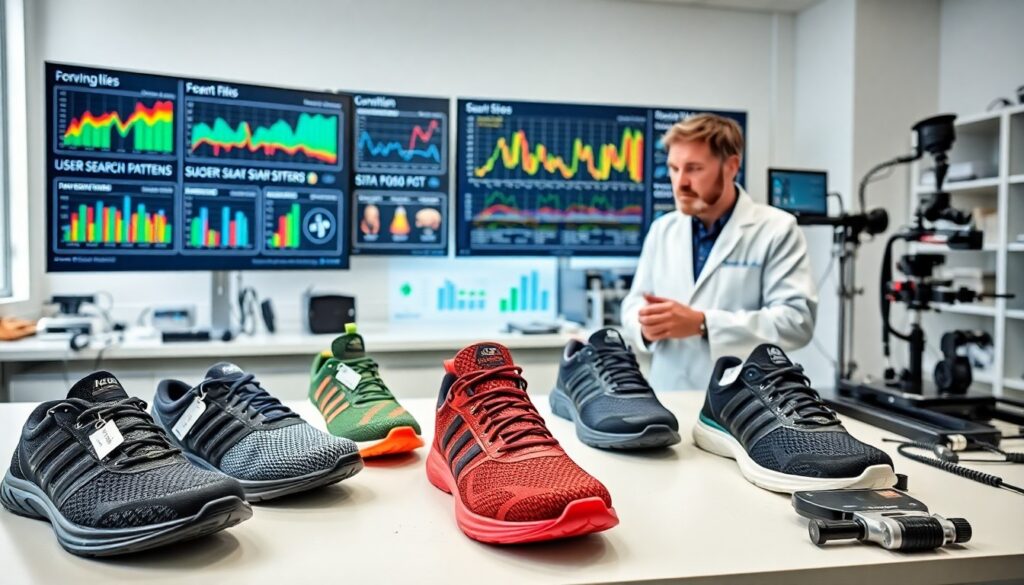
Barefoot footwear sits at the intersection of movement science and consumer curiosity. This article focuses on what the research and search patterns suggest about adaptation, benefits, and risk.
What this research suggests
Barefoot-style shoes may help readers who want stronger foot engagement, more ground feel, and a gradual transition away from stiff, highly cushioned footwear. The same evidence also points to a real adaptation period and a higher need for caution if you have pain, a history of overuse injury, or a medical condition that changes load tolerance.
If you want the broader design-and-biomechanics angle, the closest cluster-level reference is Sustainable Footwear Biomechanics Meets Barefoot Design, while this page stays focused on the research synthesis and user-intent patterns behind the topic.
The Science Behind Barefoot Footwear Adaptation
The strongest theme in the evidence is not that barefoot footwear instantly fixes movement, but that it changes the demand on the foot and lower leg. That matters because the body needs time to recondition tissue tolerance, coordination, and movement habits.
A transition from conventional shoes to minimalist designs can increase sensory input and alter gait mechanics, especially when a person moves from a heel-dominant landing pattern to a more midfoot or forefoot strategy. In practical terms, that may shift workload away from some structures and toward others, which is why the adaptation period deserves more attention than the marketing usually gives it.
What Changes First
Readers often search barefoot shoes because they want better posture, less pain, or a more natural stride. The research-led answer is more cautious: proprioception often improves, intrinsic foot muscles may become more active, and some people report a better sense of control. At the same time, a sudden switch can overload calves, Achilles tissue, or the plantar fascia if training volume stays the same.
How To Transition Without Rushing The Load
The original article’s transition advice holds up well, but the useful version is simpler: begin with short walks, keep sessions easy, and only add running after your feet and calves stop feeling unusually stressed. Ten to fifteen minutes is a reasonable starting point for many people, with duration increasing over several weeks rather than days.
A better transition also includes foot-strength work. Toe spreads, arch lifts, balance drills, and controlled barefoot work on stable surfaces can help the smaller muscles of the foot handle the change. The goal is not just wearing a different shoe; it is changing how force is absorbed and distributed.
For a practical next step, barefoot-shoe transition tips are the best fit if you already know you want to try minimalist footwear and need a safer progression plan.
Benefits, Trade-Offs, And Who Should Be Cautious
The search data around barefoot footwear shows that users are rarely asking about theory alone. They want sizing guidance, durability comparisons, and whether the shoes are actually worth using for pain relief or performance. That lines up with the research mix: there are plausible benefits, but the benefits are not universal and they depend heavily on the user’s starting point.
Some studies suggest that minimalist footwear can improve foot strength, sensory feedback, and movement awareness. That is part of why barefoot shoes keep showing up in searches tied to running economy, posture, and plantar pain. But the same body of evidence also supports a restraint-first message: if you move too fast, the tissues that have been protected by conventional footwear may not be ready for the load.
That is especially relevant for readers searching around plantar fasciitis, knee pain, or recovery. For those cases, the more useful page is often a condition-specific guide rather than a general footwear explainer. If plantar heel pain is the main issue, this plantar fasciitis guide is a more direct fit.
Pediatric use deserves extra caution. Children may benefit from more toe splay and balance input, but the evidence does not support a universal recommendation for all young feet. Growth stage, activity pattern, previous footwear habits, and morphology all matter, so this is a topic for individualized guidance rather than a blanket endorsement.
What The Search Patterns Reveal
The original research angle is useful because it explains why barefoot footwear content performs the way it does. Search behavior shows that most readers are not looking for a dense academic summary. They are trying to resolve a decision: are barefoot shoes actually good, what are the downsides, who should avoid them, and how long the transition takes.
That makes the page valuable as a bridge between research and decision-making. It should not compete with the more transactional pages that own product discovery or beginner recommendations. Instead, it works best as the evidence layer that supports those decisions.
Best next page if you are choosing footwear now
If your goal is buying or narrowing down a model rather than studying the science, move to best barefoot shoes for beginners. That page is better suited to model selection, while this one explains the underlying evidence and the adaptation trade-offs.
For readers who already own a pair and want safer usage habits, the barefoot shoes FAQ covers the most common practical questions.
Material Science Matters, But It Is Not The Main Decision
The source article also discussed material science, durability testing, and thermal management. Those are valid supporting themes, but they belong behind the core adaptation story. Material choices affect comfort, wear rate, and heat management, yet they do not change the central question: can the wearer tolerate the movement demands of a more minimal shoe?
Abrasion resistance, lightweight polymers, and liner technology can improve longevity or comfort. They are worth considering once the biomechanical fit is clear. If you are choosing between models, material quality helps refine the decision; it does not replace the need for a safe transition.
The Clearest Takeaway
Barefoot footwear is best understood as a controlled change in load, sensation, and movement strategy. The research does not support hype, but it does support a careful, evidence-aware trial for readers who want a more natural-feeling shoe and are willing to adapt gradually.
That is why this page stays independent as a research-led synthesis. It helps readers interpret the science, understand the search intent behind the topic, and decide whether to continue into a beginner guide, a transition guide, or a more specific health-focused article.
More Reading In This Cluster
- The science of barefoot shoes and their benefits
- Essential tips for a successful transition
- Barefoot shoes FAQ
Common Questions

Henry Harrington is a passionate author and content creator at My Shoes Finder, where he explores a wide range of topics related to footwear, lifestyle, and personal growth. With a keen eye for detail and a love for storytelling, Henry engages readers by sharing insights, tips, and personal anecdotes that resonate with his audience. His commitment to delivering high-quality content has established him as a trusted voice in the online community, inviting readers to step into new perspectives and discover their unique paths.
See also:
 Barefoot Shoes And Knee Pain Prevention: What The Science Suggests In 2025
 Barefoot Shoes Vs Cushioned Shoes: What Running Economy Research Says
 Barefoot Footwear Biomechanics: What The Evidence Says About Clinical Outcomes
 Trail-Running Biomechanics In Minimalist Footwear: Injury Risk, Terrain Response, And Wearable Tracking
 Barefoot Shoes Science Explained: Biomechanics, Foot Strength, And Gait
 Are Barefoot Shoes Good For Yoga And Meditation? A Practical Guide

I find the discussion around minimalist shoes and barefoot-style footwear fascinating, especially since I’ve been trying to transition to more natural options myself. It’s interesting how we’ve always thought of shoes as protective gear, but now it seems they might actually be hindering our natural biomechanics in the long run.
It’s definitely a shift in perspective, isn’t it? The notion that shoes, meant to protect our feet, could be messing with our body’s natural mechanics is something worth unpacking. A lot of the traditional cushioning and support found in modern footwear can actually mask the feedback our feet get from the ground.
You hit the nail on the head! It’s wild to think that shoes, our trusty companions on life’s journey, might actually be pulling a fast one on our feet. Who knew our cozy kicks could be like that overprotective friend who won’t let us learn from our own missteps?
Ah, the age-old battle between our beloved sneakers and the wild freedom of barefoot shoes! It’s like choosing between a cozy couch and a trusty tree stump—each has its merits, but one will definitely get you more splinters. I’ve dabbled in the minimalist movement myself and can attest to the strange sensation of rediscovering my toes; it’s like they finally got the invite to this party after decades of being stuck in the corner.
You’ve nailed the contrast perfectly! Choosing between sneakers and barefoot shoes really does feel like stepping into two different worlds. It’s impressive how freeing it can be to let your toes finally breathe and feel the ground beneath you. That rediscovery is something many people miss out on, especially in our cushioned lifestyles.
This is a fascinating exploration of footwear and its impact on our biomechanics. I’ve personally found that transitioning to minimalist shoes significantly improved my running form and overall foot strength, though it took time to adapt. The body’s ability to relearn natural movement patterns is remarkable, highlighting the importance of patience in this process.
It’s great to see how your experience with minimalist shoes has shaped your running journey. Transitioning to a different kind of footwear can feel like learning to walk all over again, right? It’s fascinating how our bodies can adapt and relearn natural movement patterns, especially when we give them the chance to do so. You’re spot on about patience; rushing the process can often lead to setbacks or discomfort.
It’s fascinating to see the shift in our understanding of footwear and how it relates to human biomechanics. When I first heard about minimalist shoes and their potential benefits, I was initially skeptical. After all, I’ve spent a lifetime wearing traditionally supportive footwear, and the idea of stripping that away seemed risky, even counterintuitive. However, the way you articulate the shift towards barefoot-style footwear as a means of “neuromuscular recalibration” really resonates with me. It highlights not just a change in what we wear, but a deep, systemic shift in how we think about our bodies and movement.
This is such an interesting topic! I’ve been experimenting with minimalist shoes myself, and I can definitely relate to that neuromuscular recalibration you mentioned. It’s wild how something as simple as footwear can prompt our bodies to completely rethink movement patterns that have been ingrained for so long. I’ve noticed improvements in my balance and foot strength, but it did take a few weeks for my feet to adjust.
It’s great to hear your experiences with minimalist shoes. The journey of adjusting to them can feel like you’re rediscovering how your body moves. You’re right—our feet and the way we use them have been somewhat shaped by the footwear choices we’ve made over the years.
It’s interesting you mentioned rediscovering how our bodies move. I felt that too when I first transitioned to minimalist shoes. It made me more aware of not just my feet but my overall posture and gait. I remember spending time just walking around barefoot at home to engage the muscles in my feet more effectively. It’s fascinating how modern footwear often prioritizes style and cushioning over natural movement, right?
You raise some really interesting points about the shift in footwear philosophy! I’ve personally been experimenting with minimalist shoes for a while now, and the transition definitely took some getting used to. It’s fascinating how our bodies almost seem to “remember” how to move naturally when we give them the chance.
It’s really great to hear about your experience with minimalist shoes. The transition can be such a unique journey. I remember when I first started experimenting with them; it felt like I was unlocking a different way of moving. It’s interesting to think about how much we’ve molded our bodies through the shoes we wear—like we’ve spent years retraining our feet to fit into these structured forms that often disconnect us from our natural gait.
I really appreciate how you’ve highlighted the evolution of footwear and its impact on our understanding of biomechanics. It’s fascinating to consider how deeply our shoes influence not just athletic performance but our overall movement patterns. I remember when I first tried transitioning to minimalist shoes—it was both exciting and challenging. Initially, I experienced a lot of discomfort and had to really focus on my body’s signals. It felt like going back to basics, almost like rediscovering how to walk.
It’s interesting how the transition to minimalist shoes can feel like peeling back layers to find a more natural way of moving. I remember my own experience when I made that switch—there was definitely a learning curve. Like you mentioned, it really forces you to pay attention to your body in ways that feeling cushioned and supported typically masks.
The discussion around minimalist shoes and their impact on biomechanics is incredibly relevant, especially as more people are becoming aware of how footwear affects overall health and performance. I’ve personally experienced the transition to barefoot-style footwear, and it’s truly fascinating how quickly the body begins to adapt. Initially, I encountered some discomfort, but as I adjusted, I noticed improved strength in my foot muscles and better posture during activities.
It’s great to hear about your personal experience with transitioning to barefoot-style footwear. The initial discomfort can be a bit off-putting, but it sounds like you’ve navigated that phase well. It’s interesting how our bodies can adapt. I find it remarkable that something as simple as changing our shoes can lead to noticeable improvements in strength and posture.
It’s interesting to hear about your personal transition to barefoot-style footwear and the changes you’ve noticed. It’s true that the biomechanics of our feet are often overlooked, especially in a world where cushioned shoes have dominated the market. Your experience highlights a common journey many people go through when switching to minimalist shoes. That initial discomfort often serves as a wake-up call, reminding us just how much we’ve relied on extra support and padding.
It’s fascinating to think that our feet have been kept in little shoe prisons for so long! I tried switching to minimalist shoes a few months ago, and let me tell you, my calves have never been so sore—it’s like they just found out they had a gym membership and went straight to leg day. I completely agree with the idea that our bodies need to relearn how to move naturally. It’s like teaching an old dog new tricks, but this time, it’s my feet learning to break free from the shackles of cushioning.
This post opens up such an important dialogue about how our footwear impacts not just our performance but our overall movement health. I’ve transitioned to minimalist shoes over the past year, and I’ve found that my understanding of how I move has changed dramatically. It’s fascinating to realize that our feet have been sort of “imprisoned” by traditional shoe design, and this recalibration process feels like a natural awakening.
I really resonate with the idea of transitioning to minimalist shoes, especially when considering how our feet have been synthetically supported for so long. Personally, I made the switch about a year ago, and while the initial adjustment was tough, I started to notice more natural movement and increased strength in my feet. It’s fascinating how our bodies can adapt when given the right time and conditions.
Your exploration of how minimalist shoes are impacting our understanding of biomechanics truly resonates with me. The concept of using footwear as a means to not just protect our feet but also to enhance our movement and performance is revolutionary. I’ve been experimenting with minimalist shoes for the past year, transitioning from traditional trainers, and the difference has been remarkable. Initially, I was concerned about potential injuries, as I had read various studies highlighting the adaptation period required when shifting to barefoot-style footwear.
This post raises some fascinating points about the evolution of footwear and its deeper implications for human biomechanics and athletic performance. I’ve been particularly intrigued by the idea of minimalist shoes as a means to reconnect with our natural movement patterns. Having transitioned to barefoot-style footwear myself over the past year, I can certainly attest to the journey of neuromuscular recalibration that it entails.
It’s great to hear about your experience with minimalist footwear. The shift toward barefoot-style shoes often highlights the intricate connection between our feet and overall body movement. Many people underestimate how much footwear influences not just our gait, but also our posture and balance.
It’s fascinating how our shoes have gone from being mere foot covers to potential performance enhancers or saboteurs! I mean, I still remember the first time I tried minimalist shoes—my calves decided they’d gone on strike for a week. Talk about a wake-up call for my feet! It’s wild how we’ve crammed our feet into rigid boxes for so long, as if they were unsightly secrets we’re trying to hide.
The journey towards adopting minimalist footwear truly resonates with me, especially given how much I’ve come to appreciate the intricate relationship between our bodies and the ground beneath us. Transitioning to barefoot-style shoes made me realize just how much we rely on external support. I remember the first few weeks of discomfort—my feet felt alive as I began to rediscover their natural strength. It’s fascinating how this shift challenges not just our physical movements but also our cultural perceptions of footwear.
This discussion around minimalist shoes and their impact on biomechanics is both timely and critical as more people are re-evaluating their approach to fitness and health. I especially appreciate your point about the need for a gradual transition. Having personally tried shifting from traditional running shoes to a more minimal design, I found that while the initial excitement was palpable, the realities of shifting muscle engagement became a challenge.
Oh, the saga of footwear! It’s truly a tale as old as time—well, at least as old as the moment someone decided that wrapping our feet in fancy fabrics might be a good idea rather than just embracing the freedom of, you know, earth contact. I have to say, your exploration of minimalist shoes and the huge shift in our understanding of human movement is quite enlightening, and it’s making me evaluate my own footwear choices.
I’ve been really intrigued by the shift towards minimalist footwear in recent years. It’s fascinating how our shoes have, for so long, dictated how we move, almost stunting the natural biomechanics of our feet. When I made the switch to barefoot shoes a few months ago, I definitely felt that recalibration you mentioned—my calves and arches had to readjust big time!
It’s interesting that you’ve experienced that recalibration with barefoot shoes. Many people underestimate how much footwear influences our gait and overall movement patterns. For too long, conventional shoes have prioritized cushioning and structure, often at the expense of allowing our feet to function naturally. It makes sense that switching to minimalist footwear would lead to adjustments in your muscles and biomechanics, especially in your calves and arches, which typically adapt to the support that traditional shoes provide.
It’s great to hear you’ve felt that recalibration! Switching to minimalist or barefoot shoes isn’t just about a new style; it’s really about reconnecting with how our bodies were designed to move. Many people underestimate how much shoe structure can alter our gait and posture over time.