
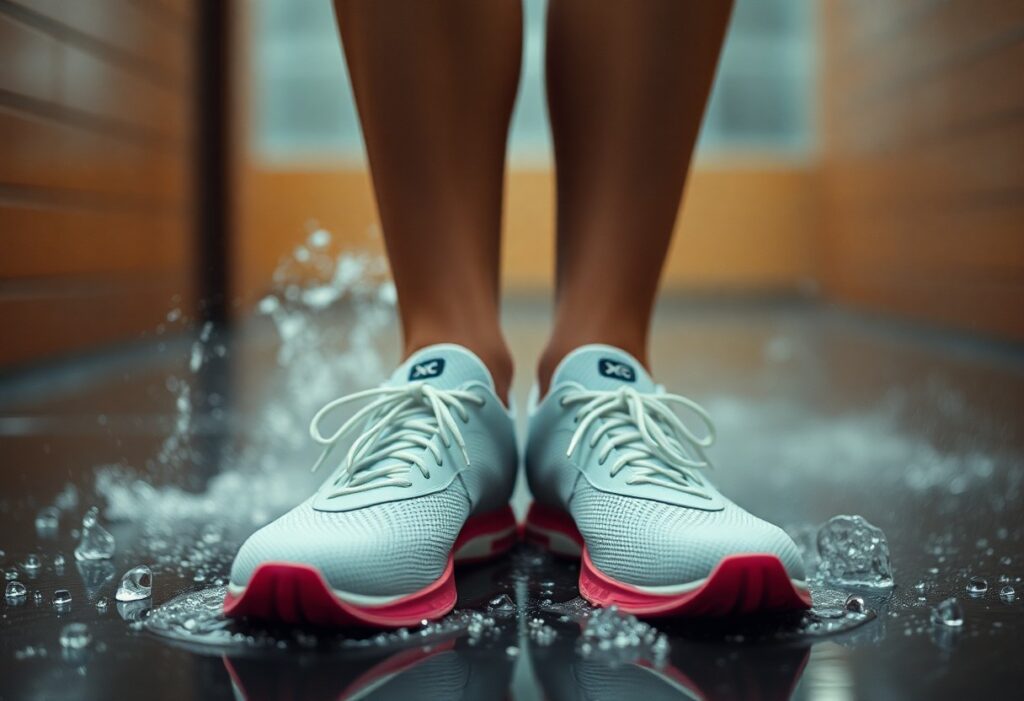
Sweaty feet need two things: airflow and a setup that dries fast between wears. The best Xero Shoes for that job are the most open, breathable models, especially the Hfs for everyday wear and the Z-Trail Ev for hot-weather or sandal-friendly days.
Best-Fit Takeaway if your feet run hot, start with the most ventilated Xero options, then support them with moisture-wicking socks, pair rotation, and quick drying after wear. For broader fit and comfort guidance, the Xero Shoes wide-feet guide is a useful companion read.
- Best Everyday Pick HFS for mesh airflow and daily versatility.
- Best For Heat Z-Trail EV when an open sandal makes more sense.
- Best If Odor Is The Main Issue breathable uppers plus fast-drying socks and cleaning habits.
If you want the broader brand context after you narrow down the sweat-friendly models, this overview of Xero Shoes’ benefits helps place the materials and design choices in context. For readers who travel a lot, the travel-friendly Xero guide is also relevant because packability and quick drying matter when you are away from home and can’t air shoes out for long.
Who Should Choose Breathable Xero Shoes
This page is for people who want barefoot-style shoes but do not want the usual side effects of sweat, odor, and damp socks. That includes commuters, runners, nurses, travelers, hot-climate walkers, and anyone who notices that closed shoes turn warm fast.
The most important decision is simple: choose the openest model that still fits your routine. If you need a shoe for high-mileage walking or a more polished look, the HFS often makes the most sense. If you mostly want maximum ventilation and your use case allows it, the Z-Trail EV is the easiest way to stay cool.
For people who also need room in the forefoot, the wide-feet guide is worth checking before you buy. A breathable shoe that squeezes your toes will still create heat, friction, and moisture problems.
Why These Models Work Better For Sweaty Feet
Sweat itself is not the enemy. The problem starts when moisture stays trapped close to the skin long enough for friction, odor, and skin irritation to build up. That is why the best shoe for sweaty feet is rarely the cushiest shoe; it is the shoe that lets heat and vapor leave quickly.
Xero Shoes fit that logic well because many of their designs use lightweight uppers, minimal layers, and wide toe boxes that reduce rubbing. Less rubbing means less hot-spot formation, and less hot-spot formation means fewer blisters. The HFS is especially strong here because its mesh upper gives you a classic sneaker profile without the dense, warm feel of a heavily padded trainer.
The Z-Trail EV takes a different route: it does not try to trap heat in a closed upper at all. That makes it a smart choice in summer, on vacation, at the beach, or anytime your feet would rather be exposed to the air than enclosed by layers of fabric and foam.
When To Choose Another Shoe Instead
- If you need heavy-duty waterproofing, a highly ventilated shoe is not the right starting point.
- If your workplace requires a fully enclosed safety shoe, prioritize the closest breathable option available, then manage sweat with socks and drying habits.
- If your feet sweat excessively even in open footwear, you may need medical advice for hyperhidrosis rather than just a different shoe.
Moisture-Control Habits That Make The Shoe Choice Work Better
A breathable shoe is only half the solution. The rest comes from how you wear, dry, and rotate it. If you skip those steps, even a good model can start to smell or feel damp by lunchtime.
Socks Matter More Than Most Shoppers Expect
Moisture-wicking socks pull sweat away from skin so it can evaporate instead of pooling. Thin merino wool or technical synthetic socks are usually the safest bet for sweaty feet. Cotton can feel comfortable at first, but it tends to hold moisture longer and can stay damp after activity.
If you want one practical rule, use the thinnest sock that still keeps friction under control. That gives the shoe room to breathe while still limiting rubbing inside the toe box.
Drying And Rotation Are Non-Negotiable
Let each pair dry fully before you wear it again. That simple habit does more for odor control than most sprays or powders because bacteria thrive in repeated dampness. If you wear shoes daily, rotation gives the foam, lining, and insole time to recover.
For most people, pair rotation matters most in hot weather and during workouts. In summer, the drying window is shorter and sweat volume is higher, so the margin for error gets smaller. That is also why open sandals and highly breathable trainers become more attractive in late spring and summer.
Sprays And Powders Are Support Tools, Not The Main Fix
Odor-neutralizing sprays, antifungal powders, cornstarch, and similar products can help manage the symptoms of sweaty feet. They are best treated as support tools after you have already chosen the most breathable shoe for the job. If the shoe traps heat, no spray will fully compensate.
This is where product selection and daily maintenance work together. Breathable materials reduce the amount of trapped moisture, while sprays and powders reduce the chance that dampness turns into odor or irritation.
Timing Matters: When Breathable Shoes Help Most
If you are deciding whether to buy now or wait for a different season, think about your sweat pattern first. People who feel the heat most in late spring, summer, or humid climates usually see the biggest difference from breathable Xero models. Those are the months when enclosed shoes start feeling sticky fastest and when quick-drying materials save the most frustration.
For people who are choosing between sweat control and foot support concerns, it can also help to compare the way Xero handles comfort across conditions. The arthritis-focused guide shows how cushioning and movement needs change the recommendation, while the plantar fasciitis article is useful if your foot pain matters as much as moisture.
Best Next Step
If your main goal is to keep feet dry, start with the HFS for a closed-shoe option or the Z-Trail EV for maximum airflow. Then add moisture-wicking socks, rotate pairs, and let each pair dry fully before the next wear.
For a broader look at how Xero’s barefoot designs affect comfort and foot health, the benefits overview is a strong follow-up read.
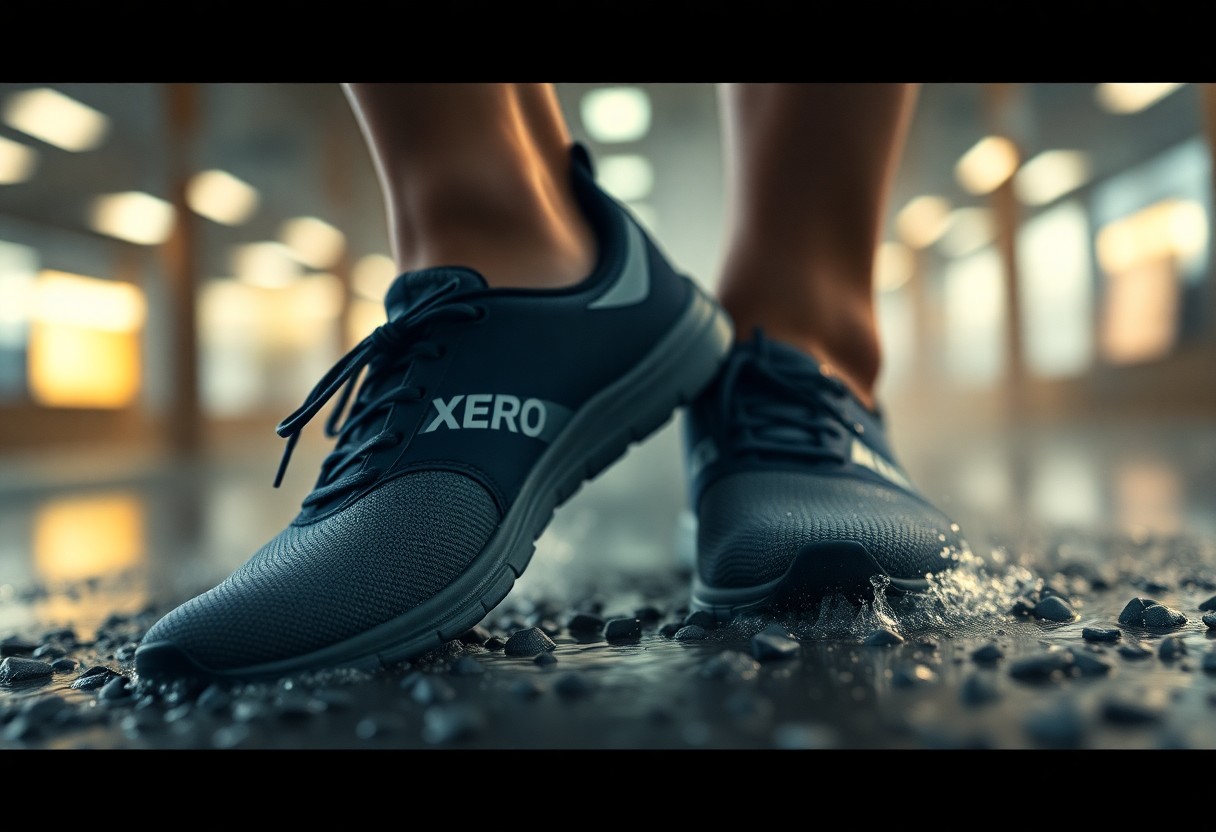
How Sweat Changes The Shoe Choice By Activity
A shoe that works for an office day may not be the best choice for a humid trail walk. That is why the right answer depends on your routine as much as your sweat level. More airflow is usually better, but you still need enough structure for the task at hand.
For walking and commuting, the HFS is the most balanced choice because it gives you a breathable mesh upper without giving up the feel of a normal everyday sneaker. For travel, the lighter and faster-drying the shoe, the easier it is to keep everything fresh in a suitcase. For outdoors in true heat, a sandal like the Z-Trail EV can be the easiest way to stop the damp cycle before it starts.
If your main use case is light packing and quick drying, it is worth comparing this page with the travel-focused Xero guide, since a shoe that dries overnight is easier to manage on a trip than one that takes two days.
Common Questions About Sweaty Feet And Xero Shoes
The recurring theme here is not that Xero Shoes magically stop sweating. It is that they make sweat easier to manage by reducing trapped heat, letting moisture escape, and avoiding the heavy layers that often create the swampy feeling in the first place.
That is also why the most breathable model is not always the most practical one. People with sweaty feet often need a tradeoff between open airflow, enough structure for the activity, and the kind of fit that avoids rubbing. A well-ventilated shoe with a poor fit will still create friction, and friction produces more heat.
Frequently Asked Questions
What Shoe Is Best For Sweaty Feet?
The best shoe for sweaty feet is usually the one with the most breathable upper, the least heat retention, and a fit that prevents friction. In the Xero lineup, the HFS and Z-Trail EV are the strongest starting points because they emphasize airflow and quick drying.
Are Xero Shoes Breathable?
Yes, many Xero Shoes are designed around light materials, open structures, and wide toe boxes that let heat escape more easily than dense, heavily cushioned shoes.
What Are The Best Socks To Wear If Your Feet Sweat A Lot?
Thin merino wool or technical moisture-wicking socks are usually best because they move sweat away from the skin and dry faster than cotton.
What Do Podiatrists Think Of Zero-Drop Shoes?
Opinions vary by foot type and condition, but zero-drop shoes can work well when the fit is right and the transition is gradual. If you have pain concerns, it helps to compare options with condition-specific advice such as the arthritis guide or the plantar fasciitis guide.
What Should I Do If My Shoes Still Smell After I Change Socks?
Rotate pairs, dry them fully, remove insoles when possible, and use a mild cleaning routine. If sweat remains excessive even with open shoes, it may be worth speaking with a clinician about hyperhidrosis.

Natalie Harper is a versatile author and content creator at My Shoes Finder, where she explores a wide range of general topics that resonate with diverse audiences. With a passion for storytelling and a keen eye for detail, Natalie crafts engaging articles that provide valuable insights and inspire readers. Her commitment to quality and relatability makes her work a trusted resource for those seeking both information and inspiration in their daily lives.
See also:
 Xero Shoes For Hot Weather: Breathable Picks For Cool, Dry Feet
 Xero Shoes For Nurses: Best Picks For 12-Hour Shifts
 Xero Hfs Ii Men’s Review: Fit, Grip, And Lab-Tested Performance In 2025
 Barefoot Shoes For Tropical Weather: What To Wear In Heat, Humidity, And Rain
 Best Xero Shoes for Summer Travel: Lightweight Barefoot Picks for Road Trips, Flights, and Everyday Walking
 Barefoot-Inspired Shoes for Road Trips, BBQs, and Everyday Summer Wear: Xero Americana Collection Review
It’s interesting to see how footwear design is evolving to combat an issue as common as sweaty feet. Personally, I’ve struggled with moisture issues in minimalist shoes that offer limited support but are supposed to promote natural foot movement. The focus on breathable materials and a wide toe box is definitely a step in the right direction; however, I wonder how these innovations hold up in various climate conditions, especially in humid environments where moisture seems inevitable.
I totally relate to the struggle of sweaty feet! It’s wild how something so small can affect your whole day. I’ve tried various shoes, but the constant moisture really impacts comfort and confidence.
I get that. Sweaty feet are such an annoying issue, and it can really throw off your whole day. It’s interesting how something that seems minor can impact our comfort and even how we present ourselves to the world. When I first started experiencing it, I thought it was just me, but it turns out many people deal with it.
You bring up a really important point about how a seemingly small issue like sweaty feet can have a broader impact on our day-to-day lives. It’s funny how something that’s often brushed aside can influence our mood and confidence levels. Many people feel isolated when they face these kinds of challenges, thinking they are the only ones. In reality, it’s more common than most assume, which is a relief for those dealing with it.
You make such an insightful point about how even small issues like sweaty feet can ripple out and affect broader aspects of our lives. It’s one of those things that can feel so isolating, yet so many people encounter it but often keep it to themselves. I think there’s something really important about normalizing these conversations.
I completely resonate with what you’re saying about sweaty feet. It’s one of those issues that feels so trivial but can really affect your whole day. It’s fascinating how something like foot sweat can influence everything from our mood to our confidence.
I really appreciate how you’ve shed light on the often-overlooked issue of sweaty feet, especially in the context of minimalist footwear like Xero Shoes. It’s fascinating to think about how our bodies respond to heat and activity. I’ve had my own struggles with moisture buildup, especially during summer hikes or runs. I found that switching to moisture-wicking socks made a noticeable difference, but I never thought about the full package that includes both shoes and sweat-management products.
It’s great to see your perspective on this! The connection between footwear and sweat management is so interesting, and moisture-wicking socks really do make a world of difference. They help keep the feet dry and reduce that uncomfortable squishy feeling.
I completely agree with you about the importance of moisture-wicking socks; they really do transform the experience of being on your feet for long periods. I still remember the first time I tried a pair during a hike. It was eye-opening how much more comfortable my feet felt, even after hours on the trail.
It’s fascinating how little we often consider the intersection of our footwear choices and foot health, especially in the context of excessive sweating. I’ve always been someone who has struggled with sweaty feet, particularly during warmer months or while engaging in any physical activity. It can be such a hindrance, transforming something as simple as a walk in the park into an uncomfortable experience.
It’s so true how often we overlook the link between our footwear choices and foot health. I can relate to your experience with sweaty feet, especially during physical activities or hot weather. It can be frustrating when something as basic as a walk turns into a challenge.
You bring up a really important point about footwear and foot health. It’s interesting how something we often take for granted can have such a big impact on our day-to-day comfort. Without even realizing it, I’ve found that the type of shoes I wear can influence not just my foot health, but my overall mood and energy levels, especially when the weather heats up.
It’s fascinating to see the emphasis Xero Shoes places on addressing a common yet often overlooked problem—sweaty feet. The advancement in footwear technology to include features like moisture-wicking fabrics and antimicrobial linings is quite significant, especially for those of us engaging in outdoor activities or spending long hours on our feet. The concept of viewing shoes as a form of “air conditioning for your feet” is an imaginative way to communicate the functional benefits of their 2025 lineup.
I really appreciate how this post addresses an issue that many of us might overlook until it becomes a significant discomfort—sweaty feet. I can personally relate to this, having dealt with the awkwardness of sweaty shoes during various activities, whether it’s a long hike or just running errands on a warm day. It’s fascinating to think about the sheer number of sweat glands in our feet and how easily we can take proper foot care for granted.
It’s fascinating how often we overlook the impact of something as simple as foot comfort on our overall well-being. I remember using minimalist footwear during a summer hike and quickly learned the importance of breathable materials. The way our feet can get clammy or even sore from sweat is surprising, considering how essential they are for movement.
You bring up such an interesting point about foot comfort and its ripple effect on our overall well-being. I’ve had my own share of experiences with minimalist footwear, and I can totally relate to that feeling of needing breathability, especially during outdoor activities. It’s surprising how much we take our feet for granted until something goes wrong. I remember one hike where I didn’t pay attention to sock material—I ended up with blisters that made each step feel like a chore.
It’s fascinating to think about how something as seemingly simple as footwear can significantly impact our well-being. I completely relate to the struggle of managing sweaty feet, especially during warmer months or after an intensive workout. It’s great to see brands like Xero Shoes addressing this issue with innovative designs and materials—breathability in shoes is such a game-changer.
You hit the nail on the head with that observation about footwear and its impact on our well-being. It’s almost ironic how something that wraps around our feet can have such a profound effect on how we feel throughout the day. I mean, you could be ready to conquer the world with a great outfit, only to have your day derailed by the wrong pair of shoes making your feet feel like they’re hosting a sweaty boot camp.
This is a fascinating discussion about a common yet often overlooked issue. The fact that the human foot contains over 250,000 sweat glands is quite surprising to many, and it underscores the importance of not only choosing the right footwear but also understanding our body’s natural processes. When I first transitioned to minimalist footwear, I experienced firsthand the struggle of sweaty feet. It wasn’t just an inconvenience; it affected my overall comfort and performance, especially during longer runs or hikes.