
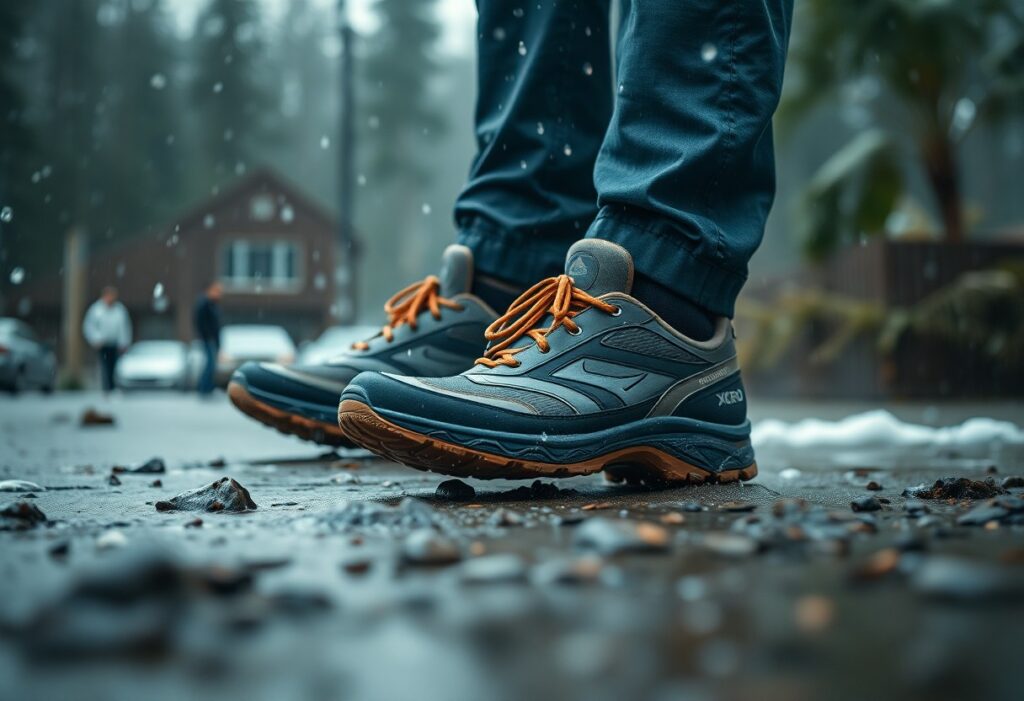
Xero Shoes can handle wet weather better when you choose the right model and care for it correctly. The fastest way to stay dry is to buy a waterproof version when the conditions demand it, then maintain the finish so it keeps doing its job.
If you are comparing models for rain, slush, or cold trail use, the winter trekking guide is the best place to start because it covers the kind of wet-condition performance buyers usually want first.
Quick decision guide
| What you need | Best choice | Why it works |
|---|---|---|
| Frequent rain, puddles, cold mornings | Buy a WP model | Factory waterproofing is more reliable than spray-on treatment. |
| Occasional damp paths or light drizzle | Water-resistant model plus careful maintenance | You keep breathability and avoid over-treating the upper. |
| You already own non-WP Xero Shoes | Use a compatible water-repellent treatment | A light treatment can improve resistance without changing the fit. |
| Heavy downpours or long wet hikes | Choose the correct model instead of relying on DIY only | Treatments help, but they do not match a purpose-built waterproof shoe. |
What The Waterproof Label Really Means
Not every Xero Shoe is built the same way. Some models are made as waterproof versions, while others are simply designed to dry faster or resist light moisture. That difference matters, because a water-resistant upper may be fine for damp sidewalks or brief showers, but it is not the same as a shoe built to keep water out for extended periods.
If your main goal is wet-weather buying, not DIY tinkering, look for the model family that already solves the problem. A purposeful choice usually beats trying to rescue a non-waterproof pair after the fact. For trail use, the wet hiking guide is useful for deciding whether a minimalist shoe is the right fit for your conditions at all.
Practical takeaway
If the forecast is consistently wet, buy the waterproof version. If you only need protection from occasional moisture, treat the shoe carefully and keep expectations realistic.
Factory Waterproofing Vs. Diy Treatment
The original draft tried to do too much at once: it discussed coatings, waxes, membrane construction, and performance claims without clearly separating them. For readers, the real choice is simpler. Either buy the right waterproof Xero model, or improve the water resistance of a model you already own.
| Option | Best for | Main benefit | Main trade-off |
|---|---|---|---|
| Factory WP model | Regular rain, winter use, muddy trails | Most dependable wet-weather protection | Often a little warmer and less airy |
| Spray-on repellent | Non-WP shoes used in light rain | Easy to apply and refresh | Needs reapplication and does not make the shoe fully waterproof |
| Wax or heat-activated treatment | Tougher uppers that can accept treatment | Can improve water beading on some materials | May change feel, look, or breathability |
| No treatment, just good care | Dry climates or rare wet use | Keeps the shoe light and breathable | Little help when weather turns |
That distinction is why this page now focuses on care and maintenance instead of pretending every model can be turned into a waterproof boot. In most cases, a light treatment is a support tool, not a substitute for the right shoe. If you want a broader view of how the brand behaves in rougher conditions, the hiking test results guide is the best companion page.
How To Waterproof The Pair You Already Own
If your Xero Shoes are not a waterproof model, start with cleaning. Dirt, salt, and old residue stop treatments from bonding evenly, which is why a quick spray on a dirty shoe usually disappoints. A clean upper gives any repellent a better chance to work and helps the shoe dry more consistently after use.
Simple Treatment Sequence
- Brush off mud and let the shoes dry fully.
- Clean the upper with a method appropriate for the material.
- Apply the chosen water-repellent product evenly.
- Let the pair cure for the full recommended time.
- Retest in light rain before depending on it for a long outing.
That last step matters. A treatment can look great in the driveway and still fail once the shoe flexes, gets scuffed, or encounters standing water. The goal is improved resistance, not a miracle. If you want the maintenance side in more detail, the barefoot shoe cleaning guide covers the kind of care that protects the upper before waterproofing even enters the picture.
Breathability, Sweat, And The Real Trade-Off
The biggest mistake people make with waterproof footwear is focusing only on keeping rain out. Foot sweat matters too. If a treatment blocks too much airflow, your feet can feel clammy even when no water gets in from the outside. That is why waterproofing should always be judged against the activity you actually do.
For active days, a lighter treatment or a breathable waterproof build may be better than a heavy coating. For cold, sloppy weather, warmth and dryness usually matter more than airy comfort. If your main problem is sweat instead of rain, the moisture-control guide for sweaty feet is a better match than a waterproofing experiment.
This balance is also why the original article’s precise moisture numbers were not kept. Broad claims can sound confident, but they do not help a buyer decide whether they need a WP model, a treatment, or a different shoe entirely. A clear use case is more useful than an over-specific statistic.
When To Buy New Instead Of Re-Treating
Sometimes the smart move is not another coat of repellent. If the upper has worn smooth, the fabric has started leaking at the flex points, or the shoe is already past the point where it feels comfortable in wet weather, a new pair is the cleaner solution. That is especially true when you need reliable performance for winter trekking or long hikes.
- Choose a factory waterproof shoe if wet use is regular.
- Treat a non-WP shoe if wet use is occasional and short.
- Replace the pair if water is getting in through wear, not just through the surface.
- Use wet-weather guidance before you buy, not after the trip is already booked.
Best next step
If you are still deciding which Xero model makes sense for wet weather, start with the dominant performance page and then work backward to the right shoe.
Common Questions
Are Xero Shoes Waterproof?
Some Xero models are designed as waterproof options, while others are only water-resistant or fast-drying. Check the specific model rather than assuming the whole brand behaves the same.
What Is The Best Shoe Waterproofing?
The best option is usually the one that matches the shoe material and the amount of wet weather you expect. For regular rain, a factory waterproof model is usually the most dependable answer.
How Do I Care For Xero Shoes After Wet Use?
Remove mud, dry them naturally, clean the upper gently, and refresh any repellent only when the surface stops beading water. That keeps the shoe usable without overloading the material.
Should I Waterproof Every Non-Waterproof Pair?
No. If you rarely face rain, the shoe may be better left alone so it stays breathable and lightweight. Waterproofing makes the most sense when wet use is a regular part of how you wear it.
For broader comparisons between traction, protection, and trail comfort, you can also look at the hiking test results and the wet hiking guide before you choose a pair for the season.

Oliver Prescott is a dedicated author and content creator at My Shoes Finder, where he explores a diverse range of topics focusing on lifestyle, fashion, and personal development. With a keen eye for detail and a passion for storytelling, he connects with readers by providing insightful and engaging content. Oliver’s writing aims to inspire and inform, making complex ideas accessible and relatable to a broad audience. When he’s not writing, he enjoys exploring new shoe trends and sharing his findings with fellow enthusiasts.
See also:
 Barefoot Shoes For Tropical Weather: What To Wear In Heat, Humidity, And Rain
 Are Barefoot Shoes Good For Wet Hiking? What Works, What Fails, And When To Avoid Them
 Xero Shoes For Cold Weather Trekking: What Works, What Doesn’t, And When To Upgrade
 Why Waterproofing Spray Can Ruin Smooth Leather Shoes
 When Do Xero Shoes Go On Sale? Best Buy Windows, Discounts, And Alerts
 How To Buy Xero Shoes In Singapore: Sizing, Returns, And Best Options


I appreciate your exploration of waterproofing techniques for Xero shoes, especially as someone who loves outdoor adventures. Living in a region with unpredictable weather, I’ve learned firsthand that the right gear can make or break an outing. Your analogy of waterproofing to sunscreen really resonates with me—it’s a reminder that, just like our skin needs regular protection from the sun, our footwear requires similar care to keep us comfortable and safe from the elements.
You’ve captured the essence of outdoor adventures so well. The unpredictable weather often feels like a character in our stories—sometimes a friendly companion and other times a formidable foe. Your analogy of waterproofing to sunscreen really does highlight how we often overlook the importance of protecting our gear in the same way we protect our skin. It’s fascinating how both are about preparing for the unexpected.
You hit the nail on the head with that observation about weather acting like a character in our adventures. It’s almost like nature throws us a plot twist whenever we least expect it. One minute you’re basking in the sun, and the next, you’re caught in a downpour, scrambling for the nearest tree. It’s these unpredictable moments that really shape our experiences, isn’t it?
You’ve touched on a really interesting point about how weather behaves almost like a character in our outdoor tales. It can bring out some of the most memorable experiences, both good and bad. Think about it—those sudden rain showers can turn a mundane hike into an exhilarating escapade, but they can also ruin a day if you’re caught off guard and unprepared.
You’ve really highlighted something special about our interactions with nature. Those unexpected rain showers do have a way of shaking things up, don’t they? They can transform a simple outing into a memory that sticks with you. I remember a hike that started under a bright sun, but halfway through, dark clouds rolled in, and we found ourselves running for cover. We ended up huddled under a tree, laughing at our unpreparedness and enjoying the fresh, earthy smell that followed the rain.
You’ve touched on something really compelling about the unpredictability of nature. It’s true—when we head out into the wild, we often think of the journey itself, but the elements play a massive role in shaping those experiences. There’s a certain drama in how the weather can shift, isn’t there? One moment, you’re basking in the sun, and the next, you’re scrambling for cover as dark clouds roll in. That dance between adventure and adversity has a way of pulling us deeper into the moment.
While I appreciate the emphasis on waterproofing techniques for Xero shoes, I wonder how the durability of these treatments holds up over time, particularly for those of us who frequently trek through extremely wet environments. I’ve tried various spray-on coatings, but I often encounter diminished effectiveness after just a few applications. It seems as though there’s a gap in understanding how to effectively maintain that IPX-7 rating beyond initial use.
This is such an important topic, especially for those of us who love to hike and explore the outdoors! I’ve found that having the right footwear can make or break a day out. I appreciate how you likened waterproofing to sunscreen—that’s a perfect analogy! It reminds me of a recent trek in the rain where my non-waterproof shoes left my feet soggy and uncomfortable after just a short while.
It’s so true—having the right shoes really can change your whole experience outdoors. That trek in the rain sounds rough; there’s nothing like soggy feet to put a damper on your day. I get the analogy with waterproofing and sunscreen too; both are about protection and making sure you can enjoy yourself without that nagging worry.
It’s great to hear your thoughts on footwear and outdoor adventures! So many people underestimate how much the right shoes can change the experience. It’s true—once you’ve had a day with soggy feet, it sticks in your memory. A good pair of waterproof shoes can keep the focus on enjoying nature rather than on discomfort.
You bring up such a valid point about footwear in outdoor adventures. It’s amazing how much of a game changer the right shoes can be. I remember one hiking trip where I skimped on proper footwear, thinking I could get by with my old sneakers. Halfway through the day, my feet were soaked, and it definitely shifted my focus from enjoying the scenery to just wanting to get back—definitely a lesson learned.
I really appreciate the insights you’ve shared on waterproofing Xero Shoes. It’s fascinating how footwear technology has evolved to address our needs, especially for outdoor enthusiasts who often face unpredictable weather. I’ve always found that investing in the right gear for wet conditions makes a significant difference not just in comfort but also in enjoyment during hikes and adventures.
Your insights into Xero shoes and their waterproofing capabilities resonate deeply with my experiences as an outdoor enthusiast. I’ve often found myself navigating unpredictable weather, and the balance between maintaining flexibility and ensuring my feet stay dry has been a constant priority.
What a thought-provoking exploration of Xero shoes and their waterproofing capabilities! The analogy of waterproofing to sunscreen is particularly striking—both require ongoing maintenance to remain effective. It’s a reminder that in our quest for outdoor adventure, we must take the necessary steps to protect ourselves, just as we would from UV rays.
I really appreciate how you connected waterproofing to sunscreen—it’s such an apt analogy. It does emphasize that protection isn’t just a one-off task; it’s about ongoing care. I’ve found that with many outdoor gear items, maintaining their effectiveness is key to truly enjoying the experience.
You’ve hit on a great point about maintaining our gear, whether it’s shoes or sunscreen. It’s easy to overlook how conditions like moisture or UV rays can impact our adventures. Just as we wouldn’t skip reapplying sunscreen after a dip in the water, keeping up with the waterproofing of our shoes helps ensure they perform when we need them most.
It’s interesting to hear how Xero Shoes balance flexibility with waterproofing—it’s a fine line to walk, especially for outdoor activities where comfort and function are key. I’ve always been drawn to minimalist footwear for hiking, but I find myself constantly checking the weather to avoid soggy socks. Your comparison of waterproofing to sunscreen really resonates; I often forget that just like reapplying sunscreen, keeping shoes protected requires diligence too.
It’s great to connect with someone who shares that appreciation for minimalist footwear. I totally understand the struggle of wanting to stay comfortable while also being mindful of the weather. Those soggy socks can really put a damper on a beautiful hike. I’ve also found that a little extra care for our gear can make a big difference. For instance, using a spray-on waterproofing product can be a game changer for extending the life of your shoes—and it’s surprisingly easy to incorporate into your routine, much like reapplying sunscreen.
It’s great to hear your thoughts on the balance of flexibility and waterproofing with Xero Shoes. That fine line is definitely tricky, especially when you want comfort and function out on the trail. Minimalist footwear really offers a unique connection to the ground, and I can see why you’d be drawn to it for hiking.